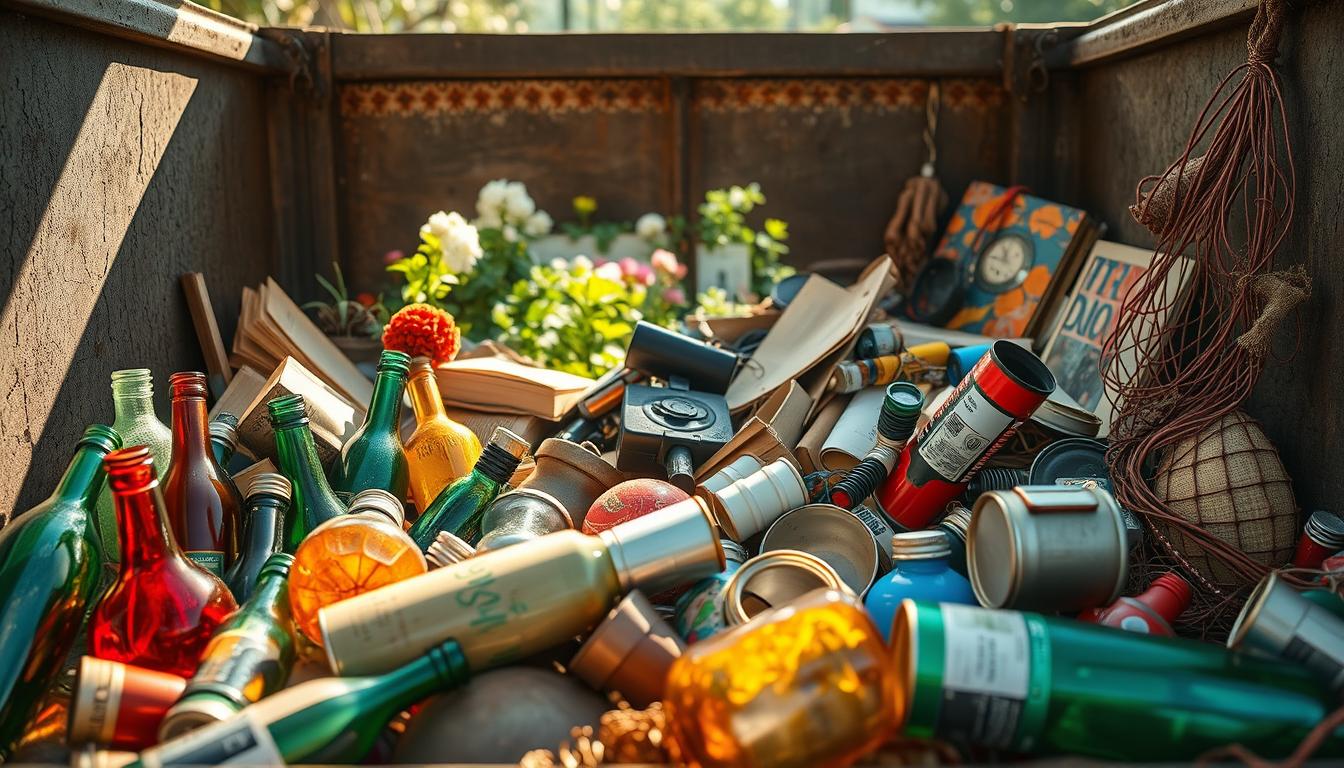
Free Food Dumpster Diving offers a way to reduce food waste while securing meals without spending money. Grocery stores, restaurants, and food retailers throw away massive amounts of perfectly good food daily due to expiration dates, cosmetic imperfections, or overstocking.
This practice requires understanding local laws, safety protocols, and the best locations to find quality discarded food. Many people successfully supplement their grocery budget or feed their families entirely through careful food recovery from dumpsters.
TL;DR
- Grocery stores throw away $165 billion worth of food annually in the US, creating abundant opportunities for food recovery.
- Tuesday through Thursday evenings offer the best timing, as stores clear shelves for weekend deliveries.
- Packaged and canned goods remain safe even past expiration dates if containers are intact and undamaged.
- Always check local ordinances first – some cities explicitly prohibit dumpster diving while others allow it on public property.
Free Food Dumpster Diving Basics
Food dumpster diving focuses specifically on recovering edible items that retailers and restaurants discard. Unlike general dumpster diving, food recovery requires immediate attention to safety, freshness, and proper storage of found items.
The practice works because businesses follow strict policies about food disposal, often discarding items that remain perfectly safe to eat. Understanding these disposal patterns helps you time your searches and locate the best food sources.
Legal Considerations for Food Recovery
Food dumpster diving legality varies significantly by location and property ownership. Public dumpsters on city property generally allow access, while private property requires permission or risks trespassing charges.
Some areas have “Good Samaritan” laws that protect food recovery for personal use, while others classify it as theft. Research your local laws thoroughly before starting, and consider checking resources about getting started with dumpster diving for broader legal guidance.
Best Locations for Food Dumpster Diving
Grocery stores provide the most consistent food recovery opportunities, especially large chains that maintain strict rotation schedules. These stores discard produce, bakery items, dairy products, and packaged goods regularly.
Chain restaurants and fast-food establishments also generate significant food waste, though quality and safety vary more than grocery discards. Focus on locations known for fresh preparation and high turnover rather than places that pre-cook and hold food for extended periods.
Grocery Store Dumpster Strategies
Large grocery chains like Kroger, Safeway, and regional stores follow predictable disposal schedules. They typically clear produce sections in the evening and remove expired dairy and meat products before morning deliveries.
- Produce sections – generates the most volume with fruits and vegetables that look imperfect but remain fresh.
- Bakery departments – discard day-old bread, pastries, and baked goods that freeze well for later use.
- Deli counters – remove prepared foods, salads, and sandwiches that approach sell-by dates.
- Dairy sections – clear yogurt, milk, and cheese approaching expiration, often still days away from spoiling.
Restaurant and Food Service Locations
Restaurants present more variable opportunities since food quality depends on preparation methods and storage time. Pizza shops, sandwich chains, and bakeries offer the most reliable options.
- Identify closing times. Visit 30-60 minutes after closing when staff finish cleaning and dispose of unsold items.
- Focus on packaged items. Look for sealed containers, wrapped sandwiches, or individually packaged items over open food.
- Avoid risky proteins. Skip raw meats, seafood, or items that require specific temperature control unless immediately consumed.
Food Safety Guidelines and Best Practices
Food safety becomes critical when recovering discarded items, as improper handling can cause serious illness. Focus on low-risk items and apply stricter standards than you might for purchased food.
Visual inspection, smell tests, and understanding expiration date meanings help determine food safety. Many items remain good well past printed dates, especially canned goods, dry products, and properly stored perishables.
Safe Food Categories
Certain food types present minimal risk when recovered from dumpsters, making them ideal starting points for beginners. These items typically maintain safety even after disposal.
- Canned goods – remain safe indefinitely if cans are undented and seals intact.
- Sealed packages – crackers, cereal, pasta, and dry goods in unopened containers.
- Wrapped bread products – loaves, bagels, and rolls in original packaging without mold.
- Hard produce – potatoes, onions, apples, and root vegetables that feel firm.
- Frozen items – foods still frozen solid or recently thawed in intact packaging.
Temperature Check Rule
Use the 4-hour rule for perishables – if items feel cold to touch and you can retrieve them within 4 hours of disposal, they likely remain safe. When in doubt, skip questionable items.
Foods to Avoid
Some food categories present too much risk to justify recovery, regardless of appearance or apparent freshness. These items can harbor dangerous bacteria even when they look and smell normal.
- Raw meats and poultry – high risk for bacterial growth without proper temperature control.
- Seafood and fish – spoils quickly and can cause severe food poisoning.
- Dairy products past expiration – unless visibly fresh and still cold to touch.
- Pre-made salads – leafy greens deteriorate rapidly and may harbor E. coli.
- Open containers – anything exposed to air, insects, or contamination.
Timing and Scheduling Your Food Dives
Successful food recovery depends heavily on timing your visits to coincide with disposal schedules. Most businesses follow predictable patterns based on delivery days, staff schedules, and corporate policies.
Evening hours typically provide the best opportunities as stores prepare for overnight restocking and remove items approaching expiration. Learning specific location schedules takes time but dramatically improves success rates.
Optimal Timing Strategies
Different business types follow distinct disposal patterns based on their operational needs. Grocery stores, restaurants, and specialty food retailers each maintain unique schedules worth learning.
- Map delivery schedules. Most stores receive deliveries 2-3 times weekly and clear space beforehand.
- Learn closing routines. Visit locations 30-90 minutes after closing to catch fresh disposals.
- Track weekly patterns. Many stores do major cleanouts on specific weekdays before weekend rushes.
- Consider seasonal timing. Holiday periods and seasonal transitions generate more food waste.
Equipment and Preparation for Food Recovery
Food dumpster diving requires specific equipment to maintain safety and preserve food quality during recovery and transport. The right tools help you work efficiently and keep found food fresh.
Unlike general dumpster diving safety equipment, food recovery needs additional items for food handling and storage. Coolers, sanitizing supplies, and proper containers become essential for maintaining food safety.
Essential Food Recovery Gear
Building a proper kit for food recovery ensures you can safely collect, transport, and store found items. Quality equipment pays for itself quickly through successful food recovery.
- Coolers with ice packs – maintain temperature for perishables during transport and storage.
- Heavy-duty gloves – protect hands from sharp objects and maintain hygiene standards.
- Sanitizing wipes – clean containers, surfaces, and hands during food handling.
- Flashlight or headlamp – inspect food quality and navigate safely in low-light conditions.
- Reusable bags and containers – transport found food without cross-contamination.
- First aid kit – handle minor cuts or injuries during searches.
Articles You May Like
Frequently Asked Questions
Is food dumpster diving legal in most areas?
Legality varies by jurisdiction, but many areas allow food recovery from public dumpsters. Always check local ordinances and avoid private property without permission.
What’s the safest type of food to recover from dumpsters?
Sealed packaged goods, canned items, and hard produce in good condition present the lowest risk. Avoid raw meats, seafood, and items past visible spoilage.
When is the best time to find discarded food?
Tuesday through Thursday evenings work best, as stores clear inventory before weekend deliveries. Visit 30-90 minutes after business closing times.
How do you know if recovered food is still safe to eat?
Check for intact packaging, normal smell and appearance, and proper temperature if perishable. Use the 4-hour rule for items needing refrigeration.
What equipment do you need for safe food recovery?
Essential items include coolers with ice packs, heavy-duty gloves, sanitizing supplies, flashlights, and clean containers for transport and storage.
Final Thoughts
Free Food Dumpster Diving provides a practical way to reduce food waste while securing quality meals at no cost. Success requires understanding local laws, prioritizing food safety, and learning business disposal schedules to time your searches effectively.
Start with low-risk packaged items and gradually expand your knowledge as you gain experience with food safety assessment and recovery techniques.