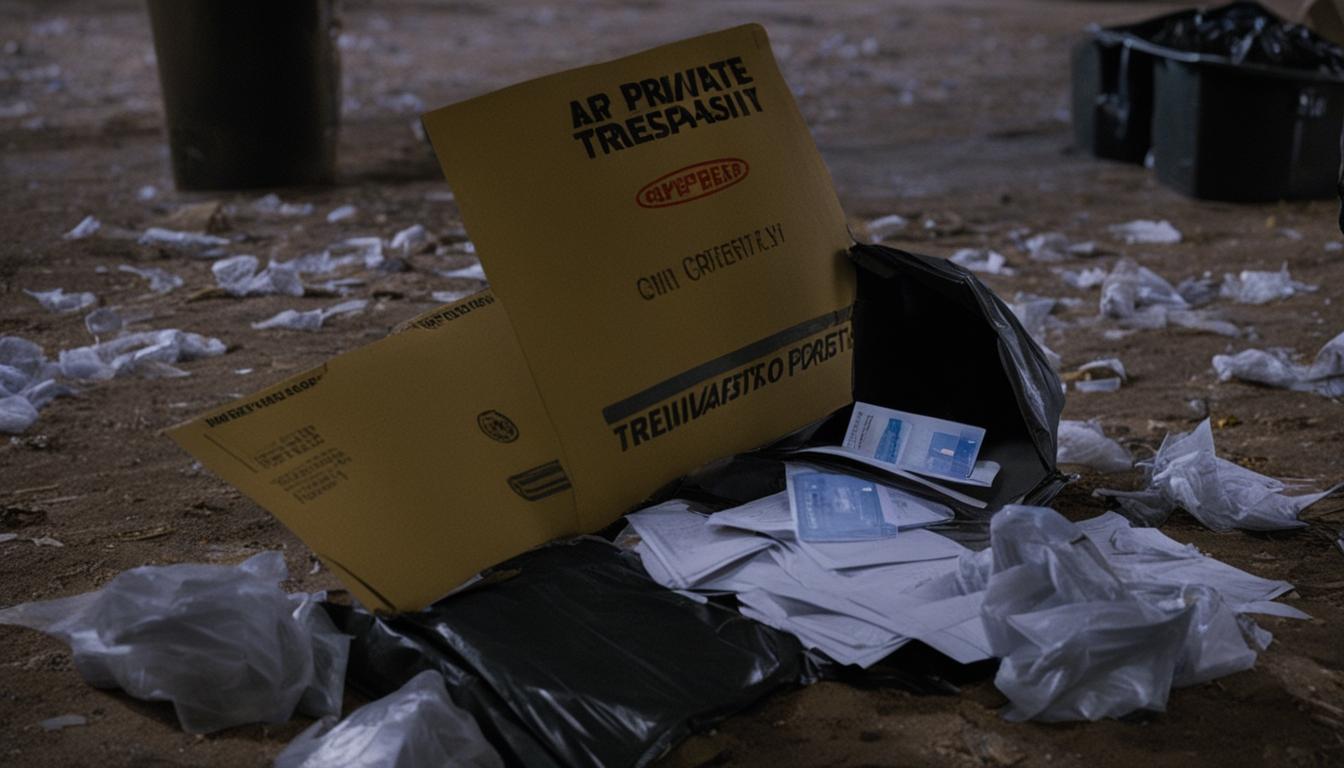
Is It Illegal For Someone To Go Through Your Trash In Connecticut is a question many residents ask when they discover someone rummaging through their garbage bins. Connecticut follows federal precedent established by the Supreme Court, which generally allows trash searching once garbage is placed in public areas for collection.
However, the situation becomes more complex when you consider local ordinances, private property laws, and specific circumstances surrounding the search. Understanding your rights and the legal boundaries can help you know when someone has crossed the line from legal scavenging to illegal trespassing.
TL;DR
- Connecticut follows federal law allowing trash searches once garbage reaches public collection areas like curbs or alleys.
- Searching through trash on private property without permission constitutes trespassing and carries fines up to $500 for first offenses.
- Local municipalities can create ordinances restricting trash collection by non-residents, with violations resulting in $50-200 fines.
- Identity theft laws apply if someone uses discarded documents to commit fraud, carrying penalties of up to 20 years in prison.
Is It Illegal For Someone To Go Through Your Trash In Connecticut
Connecticut law generally permits searching through trash once it reaches public collection areas. The state follows the 1988 Supreme Court decision in California v. Greenwood, which ruled that people lose their reasonable expectation of privacy when they place trash in public spaces for collection.
This means someone can legally go through your garbage if it’s sitting on the curb, in an alley designated for pickup, or in a shared dumpster area. The key factor is whether the trash has been placed in a location accessible to the public and collection services.
When Trash Searching Becomes Illegal
Several situations can make going through someone’s trash illegal in Connecticut. If trash searchers enter private property to access garbage bins, they commit trespassing regardless of their intentions.
- Private Property Access – Entering someone’s driveway, yard, or enclosed area to reach trash bins
- Enclosed Areas – Opening gates, climbing fences, or entering storage areas to access garbage
- Inside Property Lines – Searching trash that hasn’t been moved to public collection points
- Restricted Dumpsters – Going through commercial dumpsters marked as private property
Connecticut Trespassing Laws and Penalties
Connecticut General Statutes Section 53a-107 defines criminal trespass in the first degree as entering or remaining on property unlawfully. This applies when someone enters private property to access trash bins, even if the bins contain discarded items.
Trespassing penalties in Connecticut include fines and potential jail time depending on the circumstances. First-degree criminal trespass is a Class A misdemeanor carrying up to one year in prison and fines up to $2,000.
Local Ordinances and Municipal Rules
Many Connecticut municipalities have their own ordinances restricting who can collect materials from residential trash. These local laws often prohibit non-residents from going through garbage or require permits for certain types of collection activities.
- Check Municipal Codes. Contact your local town hall to learn about specific trash collection restrictions in your area.
- Report Violations. Most towns have non-emergency numbers for reporting unauthorized trash collection or scavenging.
- Document Incidents. Keep records of repeated violations to help local authorities establish patterns of behavior.
Privacy Concerns and Identity Protection
While going through public trash may be legal, using information found in garbage for fraudulent purposes definitely isn’t. Connecticut has strong identity theft laws that protect residents from criminals who might use discarded documents.
Connecticut General Statutes Section 53a-129a makes identity theft a felony offense. This law applies even if someone obtained your personal information from legally accessed trash, making the subsequent misuse a serious crime.
Protect Your Personal Information
Shred all documents containing personal information before throwing them away. This simple step prevents identity thieves from accessing your social security number, account details, or other sensitive data regardless of whether trash searching is legal in your area.
What Information Attracts Trash Searchers
People go through trash for various reasons, from identity theft to finding valuable items. Understanding what attracts searchers can help you better protect your privacy and security.
- Financial Documents – Bank statements, credit card offers, and tax paperwork
- Personal Information – Medical records, insurance papers, and employment documents
- Valuable Items – Electronics, metals, or items that can be resold
- Recyclables – Bottles, cans, and materials with deposit value
What to Do if Someone Goes Through Your Trash
If you discover someone going through your trash, your response options depend on where the searching occurs and local laws. Document the incident and determine whether any laws are being broken before taking action.
For trash placed on public property, you may have limited legal recourse unless local ordinances prohibit the activity. However, if someone enters your property to access garbage, you can pursue trespassing charges.
Steps to Take
- Document Everything. Take photos or videos of the person and their activities, noting time, date, and location.
- Check Local Laws. Contact local police or municipal offices to understand what ordinances might apply to your situation.
- Report If Illegal. File reports for trespassing, harassment, or violations of local trash collection ordinances.
- Improve Security. Consider keeping trash bins on your property until collection day or using locked containers.
Comparison with Neighboring States
Connecticut’s approach to trash searching aligns with most neighboring states, but some differences exist in local enforcement and specific regulations. Massachusetts has similar federal precedent following while maintaining strict local ordinances in many cities.
New York follows comparable guidelines with additional protections for apartment buildings and multi-unit housing. Rhode Island maintains stricter municipal controls over trash collection and scavenging activities.
Articles You May Like
Frequently Asked Questions
Can police search my trash without a warrant in Connecticut?
Yes, police can search trash placed in public collection areas without a warrant under the California v. Greenwood precedent. However, they cannot enter private property to access trash without permission or a warrant.
What should I do if I catch someone going through my garbage?
Document the incident with photos and note the time and location. If they’re on your property, you can ask them to leave and contact police for trespassing if they refuse.
Are there any items I should never throw in regular trash?
Never dispose of documents with social security numbers, account information, medical records, or pre-approved credit offers in regular trash. Shred these items or use secure disposal services.
Can my homeowners association restrict trash searching?
Yes, homeowners associations can create rules about trash collection and access within their communities. These rules are enforceable against residents and may restrict outside access to community dumpsters.
Is dumpster diving legal at businesses in Connecticut?
Dumpster diving at businesses is generally legal if dumpsters are in public areas and not marked as private property. However, many businesses post no trespassing signs that make accessing their dumpsters illegal.
Final Thoughts
Is It Illegal For Someone To Go Through Your Trash In Connecticut depends largely on where your garbage is located and whether local ordinances apply to the situation. While federal law generally allows trash searching in public areas, trespassing and identity theft laws provide important protections.
The best approach is to protect your personal information through proper document destruction and understand your local laws. For additional guidance on identity theft protection, consult the Federal Trade Commission’s identity theft resources. You can also review Connecticut’s complete statutes at the Connecticut General Assembly website. Check similar laws in neighboring states if you travel frequently or have concerns about privacy protection across state lines.