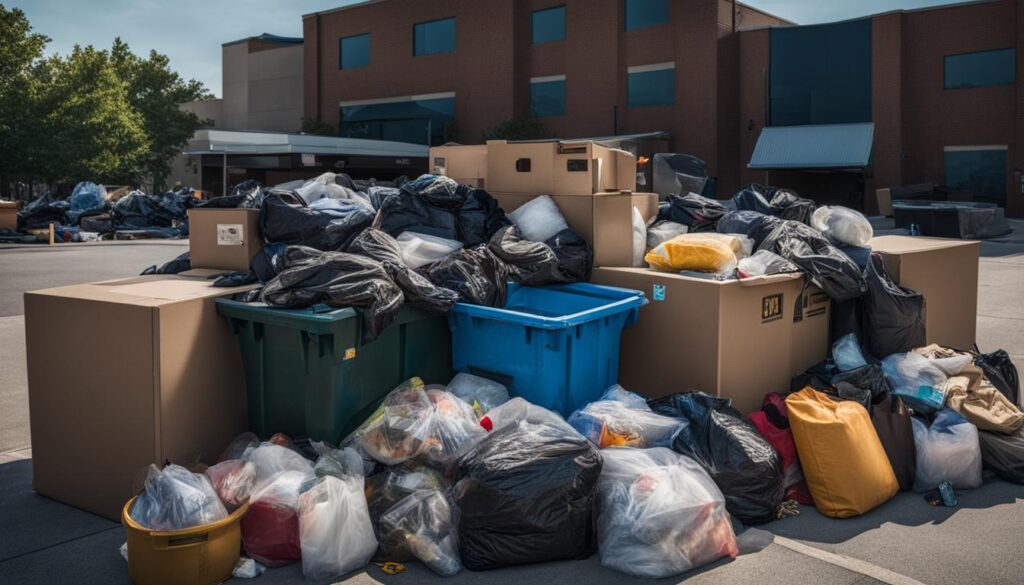
Is It Illegal For Someone To Go Through Your Trash In Delaware? The answer depends on where your trash is located and whether it’s been collected by waste management services. Delaware follows federal precedent established by the Supreme Court, which means trash placed on public property for collection generally loses Fourth Amendment protection.
However, Delaware law provides some protections for residents when trash remains on private property. Understanding these distinctions can help you protect your privacy and know your rights when someone searches through your garbage.
TL;DR
- Trash placed on public curbs for collection has no Fourth Amendment protection in Delaware.
- Searching through trash on private property without permission is considered trespassing under Delaware Code Title 11, Section 820.
- Delaware municipalities can impose fines up to $500 for unauthorized trash collection or scavenging.
- Shredding documents and using locked containers can protect sensitive information from legal searches.
Is It Illegal For Someone To Go Through Your Trash In Delaware
Delaware courts follow the landmark California v. Greenwood case from 1988, which established that people have no reasonable expectation of privacy in trash placed for public collection. This means once you put your garbage bags or bins on the curb, anyone can legally search through them without violating federal law.
The key factor is location – trash on your property receives different protection than trash on public streets. Delaware recognizes that your driveway, yard, or any area within your property boundaries maintains privacy expectations until collection occurs.
Delaware State Laws on Trash Searching
Delaware doesn’t have specific statutes addressing trash searches by private citizens, but several laws provide indirect protection. The state’s trespassing laws under Delaware Code Title 11, Section 820 make it illegal to enter someone’s property without permission, which includes searching through trash bins on private land.
Property crimes statutes also apply when someone removes items from your trash with intent to steal identity information or valuable materials. These laws provide stronger protections than federal privacy rights alone.
Municipal Ordinances and Local Rules
Many Delaware cities and counties have ordinances specifically prohibiting unauthorized trash collection or scavenging. Wilmington, Newark, and Dover all have regulations that can result in fines between $100 and $500 for people caught going through residential garbage.
These local laws often apply even when trash is placed on public property, giving residents additional protection beyond state and federal statutes. Check with your local municipality for specific rules in your area.
When Trash Searches Become Illegal
Several scenarios make trash searching illegal in Delaware, regardless of federal privacy expectations. Understanding these situations helps protect your rights and property.
- Trespassing – Entering private property to access trash bins violates Delaware trespassing laws.
- Theft – Taking valuable items from trash with intent to keep them constitutes theft under state law.
- Identity theft preparation – Searching for personal documents to commit fraud carries additional criminal penalties.
- Violation of municipal ordinances – Local scavenging bans can result in fines and citations.
- Commercial waste theft – Taking recyclables or materials from business dumpsters often violates commercial property laws.
Protect Your Privacy
Use a locking trash container and keep it on your property until collection day. This simple step maintains your privacy rights and deters unwanted searches.
Law Enforcement and Trash Searches
Police in Delaware can search through trash placed for public collection without a warrant, following the Greenwood precedent. However, they must still respect property boundaries and cannot trespass on private land to access garbage bins.
Courts have consistently upheld these searches when conducted properly, but evidence obtained through trespassing or other illegal means can be excluded from criminal cases. The location and timing of the search remain important factors in determining legality.
Protecting Yourself from Trash Searches
Delaware residents can take several steps to protect their privacy and sensitive information from both legal and illegal trash searches. These methods work regardless of current legal protections.
- Shred sensitive documents. Use a cross-cut shredder for financial records, medical information, and personal correspondence before disposal.
- Use locked containers. Secure trash bins with locks or place them in garages until collection day to maintain privacy expectations.
- Time your disposal. Put trash out as close to collection time as possible to minimize exposure to searches.
- Know local ordinances. Research your municipality’s specific rules about trash collection and scavenging prohibitions.
- Document suspicious activity. Report people repeatedly searching through neighborhood trash to local authorities.
What to Do If Someone Searches Your Trash
If you discover someone going through your garbage, your response options depend on where the trash is located and local laws. Document the incident with photos or video when possible, as this evidence may be useful for police reports or civil claims.
Contact local authorities if the person is trespassing on your property or violating municipal ordinances. While searching curbside trash may be legal federally, local laws in nearby states like Maryland show how municipalities can provide additional protections for residents.
Articles You May Like
Frequently Asked Questions
Can police search my trash without a warrant in Delaware?
Yes, police can search trash placed on public property for collection without a warrant under the California v. Greenwood precedent. However, they cannot trespass on your private property to access trash bins.
Is it illegal for neighbors to go through my trash in Delaware?
It depends on location – neighbors can legally search trash placed on public curbs, but searching trash on your private property constitutes trespassing under Delaware law.
What should I do if someone is regularly searching through my trash?
Document the activity, check local ordinances for scavenging prohibitions, and report persistent trespassing to police. Consider using locked containers and keeping trash on your property until collection.
Are there fines for going through someone’s trash in Delaware?
Many Delaware municipalities impose fines between $100-$500 for unauthorized trash collection or scavenging, even when the trash is on public property.
Does Delaware have stronger trash privacy laws than other states?
Delaware follows standard federal precedent with some local municipal protections. States like California and Washington have similar approaches with varying local ordinances.
Final Thoughts
Is It Illegal For Someone To Go Through Your Trash In Delaware remains a location-dependent question with important privacy implications. While federal law provides limited protection for curbside trash, Delaware’s trespassing laws and local ordinances offer additional safeguards for residents.
The best approach is taking proactive steps to protect your sensitive information regardless of legal protections. Shred documents, use locked containers, and stay informed about your local municipality’s specific trash collection rules.