Is It Illegal For Someone To Go Through Your Trash In Iowa depends on where your trash is located and local city ordinances. Iowa follows federal constitutional principles that generally allow trash searching once it’s placed in public areas, but the state has specific nuances you should know about.
Understanding Iowa’s trash laws helps protect your privacy and keeps you on the right side of the law. Whether you’re concerned about someone rummaging through your garbage or wondering about the legality of dumpster diving, Iowa’s approach balances individual privacy rights with law enforcement needs.
TL;DR
- Trash placed on public curbs or in public dumpsters can legally be searched in Iowa without a warrant.
- Private property searches require permission or a warrant, even for trash containers.
- Iowa cities like Des Moines and Cedar Rapids have specific ordinances prohibiting unauthorized trash removal.
- Trespassing laws apply if someone enters your property to access trash, regardless of trash search laws.
Is It Illegal For Someone To Go Through Your Trash In Iowa
Iowa generally follows the federal precedent established in California v. Greenwood, which states that trash placed in public areas loses its reasonable expectation of privacy. This means police officers and private citizens can legally search through garbage once it’s placed on public property like curbs or streets.
However, Iowa law distinguishes between different locations where trash might be found. Trash on your private property, such as in your backyard or garage, maintains privacy protections and cannot be searched without your consent or a valid warrant.
Iowa State Laws and Regulations
Iowa doesn’t have a specific statewide law addressing trash searches by private citizens. Instead, the state relies on a combination of federal constitutional law, property rights, and local municipal ordinances to govern these situations.
The key factor in Iowa is location – where the trash is situated determines its legal status. Property boundaries play a major role in determining whether someone can legally access your discarded items.
Public vs Private Property Distinctions
Iowa courts recognize clear boundaries between public and private property when it comes to trash searches. Here’s how different locations are treated:
- Public curbs – Trash placed here loses privacy protection and can be legally searched.
- Private driveways – Generally protected under property rights, searches require permission.
- Shared dumpsters – Legal access depends on whether the dumpster is on public or private property.
- Apartment complexes – Usually considered private property, limiting legal searches.
Local Municipal Ordinances
Many Iowa cities have enacted specific ordinances that go beyond state law to regulate trash collection and searching. These local laws often provide additional protections or restrictions that residents should understand.
Des Moines, Cedar Rapids, and Davenport all have ordinances that prohibit unauthorized removal of recyclables and trash from collection points. Violating these ordinances can result in fines ranging from $100 to $500.
Common City-Level Restrictions
Iowa municipalities typically address trash searching through several types of ordinances:
- Anti-scavenging laws. These prevent people from taking items from trash or recycling bins, even when placed on public property.
- Trespassing ordinances. Enhanced penalties for entering private property to access trash containers.
- Noise restrictions. Limits on when trash searching can occur to prevent neighborhood disturbances.
- Commercial regulations. Special rules governing access to business dumpsters and commercial waste.
Law Enforcement and Trash Searches
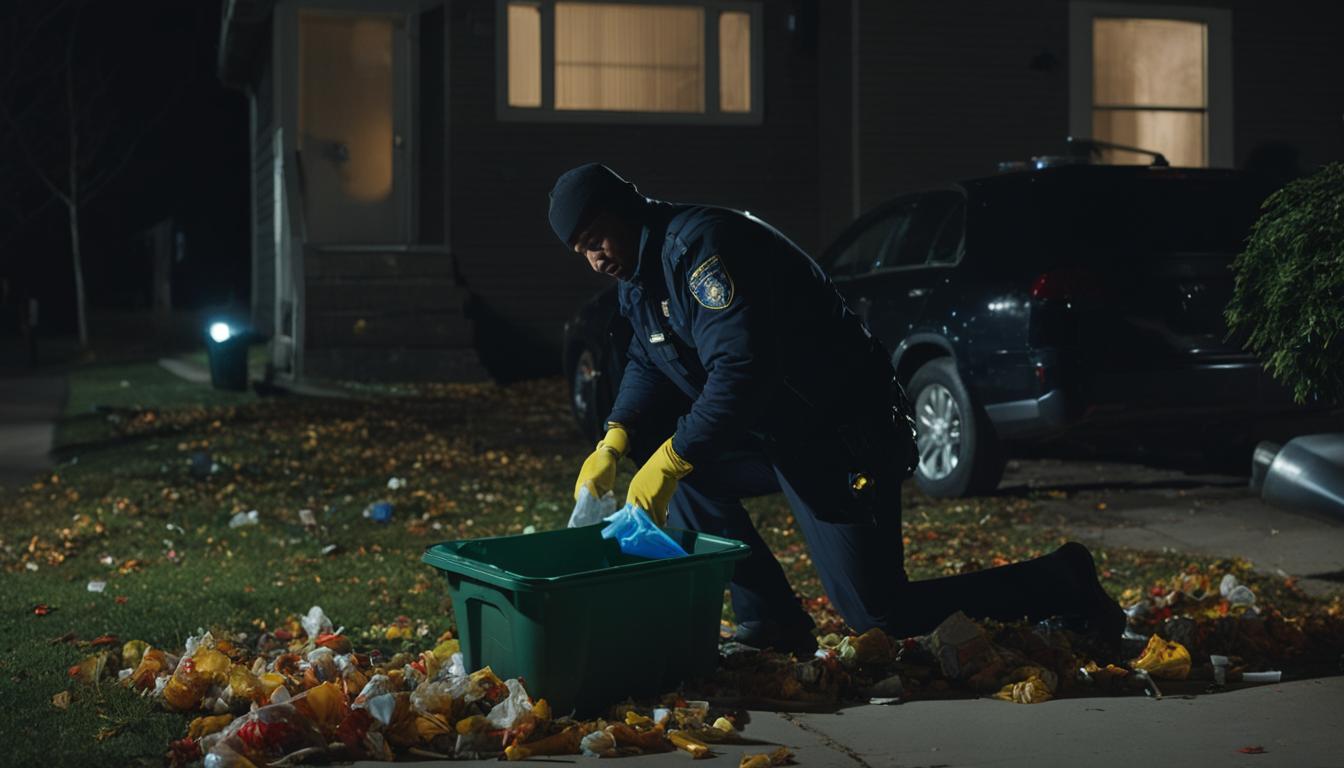
Iowa police officers have broader authority to search trash than private citizens do. Law enforcement can search trash placed in public areas without obtaining a warrant, as established by federal precedent.
However, Iowa officers must still respect private property rights. Police cannot enter your property without permission or a warrant simply to search your trash containers, even if they suspect criminal activity.
Protect Your Privacy
Keep trash containers on your property until collection day, and consider shredding sensitive documents before disposal. This simple step significantly reduces your risk of unwanted searches.
Exceptions and Special Circumstances
Iowa recognizes several situations where normal trash search rules don’t apply. These exceptions typically involve enhanced privacy expectations or specific property arrangements.
Gated communities, private waste management contracts, and certain residential arrangements may create additional privacy protections. Similar protections exist in neighboring Illinois, where local ordinances often provide stronger privacy safeguards.
Business and Commercial Properties
Commercial trash searches in Iowa follow different rules than residential searches. Businesses often have reasonable expectations of privacy for their dumpsters, especially when located on private property behind locked gates or fences.
However, businesses that place dumpsters in public alleys or on public property lose much of this protection. Iowa courts generally treat these situations similarly to residential curb-side trash placement.
Trespassing and Property Rights
Iowa’s trespassing laws provide important protections that work alongside trash search regulations. Even if searching trash might be legal, accessing that trash through trespassing remains illegal and can result in criminal charges.
Property owners in Iowa have the right to post no-trespassing signs and restrict access to their land. These restrictions apply regardless of whether someone intends to search through trash or engage in other activities.
Civil Remedies
Iowa property owners may have civil remedies available when someone illegally searches their trash. These can include lawsuits for invasion of privacy, trespassing, or harassment depending on the specific circumstances.
Documenting unauthorized trash searches with photos or video can help support legal action. Minnesota residents face similar issues and often use security cameras to protect their property rights.
Practical Steps for Iowa Residents
Iowa residents can take several practical steps to protect their privacy while staying within legal bounds. These measures help prevent unwanted trash searches and reduce identity theft risks.
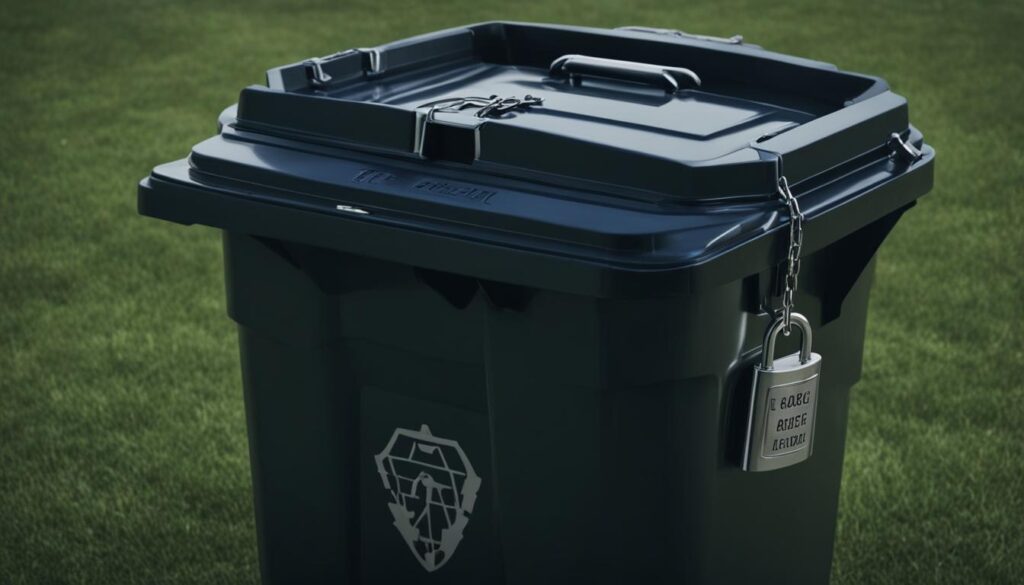
Consider investing in a locking trash container or storing garbage in your garage until collection day. Many Iowa waste management companies support these privacy measures and can provide guidance on secure disposal methods.
Best Practices for Trash Security
Implement these strategies to protect your discarded materials:
- Shred sensitive documents – Bank statements, medical records, and personal information should be destroyed.
- Time your trash placement – Put containers out on collection morning rather than the night before.
- Use secure containers – Locking lids or heavy containers deter casual searching.
- Know your local laws – Research your city’s specific ordinances about trash collection and searching.
Articles You May Like
Frequently Asked Questions
Can police search my trash in Iowa without a warrant?
Yes, Iowa police can search trash placed on public property like curbs without a warrant. However, they cannot enter your private property to access trash containers without permission or a warrant.
Is dumpster diving legal in Iowa?
Dumpster diving legality in Iowa depends on the dumpster’s location and local ordinances. Dumpsters on private property are generally protected, while those on public property may be legally accessible.
What should I do if someone keeps going through my trash?
Contact local police if someone is trespassing on your property or violating city ordinances. Document the incidents and consider moving your trash containers to private property areas.
Do Iowa cities have different trash search laws?
Yes, many Iowa cities like Des Moines and Cedar Rapids have specific ordinances that may provide additional protections beyond state law. Check with your local government for specific regulations.
Can my landlord search through my trash in Iowa?
Landlords generally cannot search tenant trash without proper legal procedures. However, lease agreements and property management policies may affect these rights, so review your rental agreement carefully.
Final Thoughts
Is It Illegal For Someone To Go Through Your Trash In Iowa involves a complex mix of federal precedent, state property law, and local municipal ordinances. While Iowa generally allows trash searching in public areas, strong protections exist for private property and many cities provide additional safeguards.
Understanding your specific local laws and taking practical privacy steps will help protect your personal information while keeping you compliant with Iowa regulations. When in doubt, consult with local authorities or legal professionals about your specific situation.