Is It Illegal For Someone To Go Through Your Trash In Maryland depends on where your trash is located and local city rules. Maryland follows federal guidelines that generally allow trash searching once it’s placed on public property, but several counties and cities have created their own restrictions.
Understanding Maryland’s trash laws helps protect your privacy and avoid legal trouble. The state’s approach varies significantly between jurisdictions, making it important to know your local rules.
TL;DR
- Maryland allows trash searching on public property under federal law, but 15+ counties have local restrictions.
- Baltimore City prohibits scavenging without permits and fines violators up to $1,000.
- Montgomery County requires property owner consent before searching any trash containers.
- Trash on private property like driveways or behind fences remains protected statewide.
Is It Illegal For Someone To Go Through Your Trash In Maryland
Maryland’s trash laws operate under a patchwork system where state and federal guidelines meet local ordinances. The U.S. Supreme Court case California v. Greenwood established that trash loses Fourth Amendment protection once placed in public areas for collection.
However, Maryland counties and cities frequently override this federal standard with stricter local rules. This creates a complex legal landscape where what’s legal in one county might be prohibited just miles away.
State-Level Trash Regulations
Maryland state law doesn’t specifically prohibit trash scavenging, leaving most decisions to local governments. The state follows the general principle that abandoned property loses owner protection, including household trash placed for pickup.
State environmental regulations focus more on proper disposal and recycling rather than restricting who can access discarded materials. This hands-off approach gives counties and cities broad authority to create their own trash access rules.
Private Property Protections
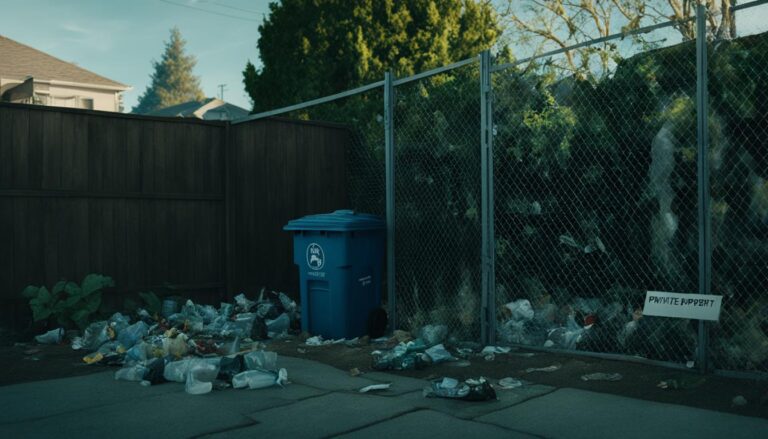
Maryland strongly protects trash that remains on private property. Similar to Virginia’s approach, any trash containers located on driveways, in garages, behind fences, or on private land maintain full legal protection.
Accessing trash on private property without permission constitutes trespassing under Maryland Criminal Law § 6-402. Penalties include fines up to $500 and potential jail time depending on circumstances.
County and City Restrictions
Many Maryland jurisdictions have enacted specific anti-scavenging ordinances that go beyond federal protections. These local laws typically address public health, safety, and privacy concerns that arise from unrestricted trash access.
The most common restrictions include permit requirements, time limitations, and complete prohibitions on residential trash searching. Violations often carry fines ranging from $50 to $1,000 depending on the jurisdiction.
Baltimore City Regulations
Baltimore City maintains strict anti-scavenging rules under Article 15 of the City Code. The ordinance prohibits removing materials from any trash container without written permission from the property owner or city permit.
Violations carry fines up to $1,000 for first offenses and potential equipment seizure for repeat violations. The city treats commercial scavenging more seriously than casual individual activity.
Montgomery County Rules
Montgomery County requires explicit property owner consent before anyone can search through trash containers, even those placed on public streets. This effectively eliminates most casual trash scavenging throughout the county.
The county also restricts the times when any permitted trash collection can occur, limiting activity to daylight hours on collection days only. Pennsylvania has similar time-based restrictions in several counties.
Prince George’s County Approach
Prince George’s County focuses on commercial scavenging restrictions while allowing limited residential searching. The county requires permits for anyone collecting recyclables or materials for resale purposes.
Individual residents can generally search trash on public property without permits, but cannot disturb containers or create messes that require cleanup. The county emphasizes maintaining neighborhood cleanliness over strict prohibition.
Check Your Local Rules First
Contact your county clerk’s office or city hall to get current trash scavenging rules before searching any containers. Many jurisdictions update these ordinances regularly and penalties can be costly.
What Constitutes Legal vs Illegal Searching
Legal trash searching in Maryland typically requires containers to be placed on public property like streets or curbs for scheduled collection. The timing matters – most jurisdictions only allow access during specified collection periods.
Illegal searching includes accessing containers on private property, breaking locks or seals, creating messes, or operating without required permits. Delaware has similar private property protections that Maryland residents should understand.
Protected Locations
- Private driveways – containers remain protected until moved to public areas
- Gated communities – private roads maintain property protections
- Apartment complexes – dumpsters on private property require permission
- Business premises – commercial containers often have additional legal protections
Permitted Searching Areas
- Public streets – containers placed for scheduled pickup
- Curb areas – trash set out according to collection guidelines
- Public rights-of-way – areas designated for waste collection
- Permitted locations – sites with proper authorization for scavenging
Penalties and Enforcement
Maryland trash law violations can result in multiple types of penalties depending on the specific circumstances and jurisdiction. Most counties treat first-time violations as minor infractions with monetary fines.
Repeat violations or commercial-scale operations face more serious consequences including potential misdemeanor charges. The state also allows civil penalties for property damage or cleanup costs.
Common Penalty Structure
- First violation. Written warning or fine between $50-$250 in most counties
- Second violation. Fines increase to $250-$500 with possible equipment seizure
- Third violation. Fines up to $1,000 plus potential misdemeanor charges
- Commercial violations. Higher fines and possible permit revocation immediately
Additional Consequences
Beyond direct fines, trash law violations can trigger related charges for trespassing, littering, or disturbing the peace. Some jurisdictions also impose cleanup costs when scavenging creates public messes.
New Jersey’s enforcement approach shows how neighboring states handle similar violations, often with comparable penalty structures.
Privacy and Safety Considerations
Maryland residents should understand that legal trash searching doesn’t eliminate privacy risks or safety concerns. Personal information in discarded mail, documents, and electronics remains accessible to searchers in permitted areas.
The state recommends shredding sensitive documents and properly disposing of electronics through certified programs. These steps provide better protection than relying solely on trash access laws.
Protecting Personal Information
- Shred documents – destroy anything containing personal details before disposal
- Remove labels – peel off address labels from packages and containers
- Secure electronics – wipe data and use certified disposal programs
- Mix sensitive items – don’t place all personal documents in one container
Articles You May Like
Frequently Asked Questions
Can I search through my neighbor’s trash in Maryland?
Only if their trash is placed on public property for collection and your local jurisdiction allows it. Many Maryland counties require property owner permission even for curb-side containers.
What happens if I get caught going through someone’s trash illegally?
Penalties range from $50 fines for first violations up to $1,000 and potential misdemeanor charges for repeat offenses. You may also face trespassing charges if the container was on private property.
Are apartment dumpsters legal to search in Maryland?
Generally no, since most apartment dumpsters are located on private property. You need permission from the property owner or management company to legally access these containers.
Do I need permits to collect recyclables from trash in Maryland?
Many counties require permits for collecting recyclables, especially for resale purposes. Baltimore City and Montgomery County both have permit requirements for any systematic collection activities.
Can police search my trash without a warrant in Maryland?
Yes, once trash is placed in public areas for collection, police can legally search it without warrants under federal law. However, trash on private property maintains Fourth Amendment protections.
Final Thoughts
Is It Illegal For Someone To Go Through Your Trash In Maryland requires checking both state guidelines and local ordinances since rules vary significantly across counties and cities. While federal law generally permits searching public trash, many Maryland jurisdictions have enacted stricter local restrictions.
Always verify your specific area’s rules before searching any containers and focus on protecting your own privacy through proper document disposal. Understanding how other states handle trash laws can provide additional context for Maryland’s approach.