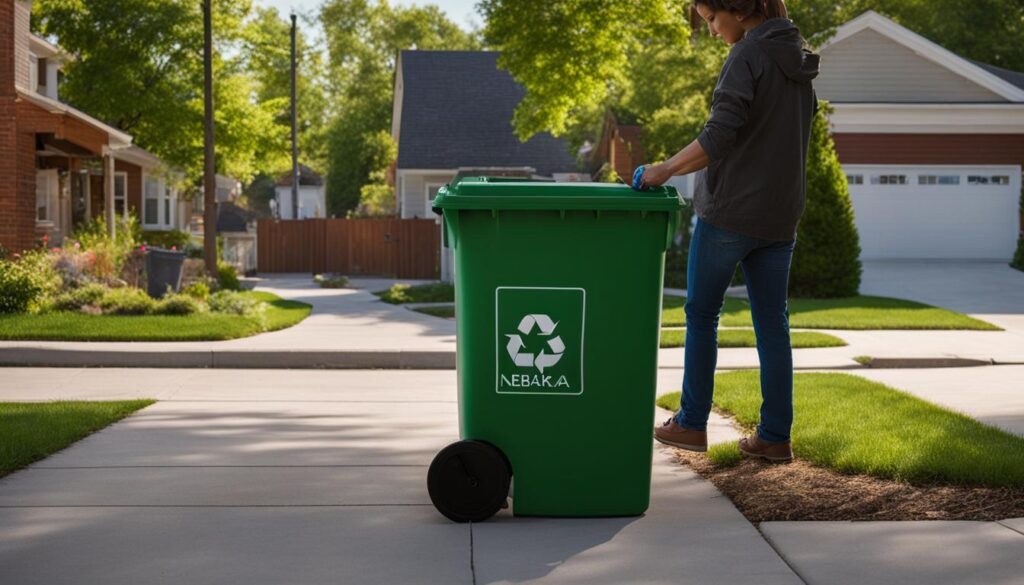
Is It Illegal For Someone To Go Through Your Trash In Nebraska depends on where your trash is located and local city rules. Nebraska follows federal guidelines that generally allow trash searching once it’s placed on public property, but several cities have their own restrictions that can make it illegal.
The key factor is whether your trash has reached the curb or remains on your private property. Once you place garbage at the curb for collection, you typically lose reasonable expectation of privacy under state law.
TL;DR
- Nebraska state law generally allows trash searching on public property following the 1988 California v. Greenwood Supreme Court ruling.
- Cities like Omaha and Lincoln have specific ordinances that can make dumpster diving illegal with fines up to $500.
- Trash on your private property (like in your garage or backyard) remains protected and searching it is illegal trespassing.
- Commercial dumpsters often have “No Trespassing” signs that make searching them illegal regardless of location.
Is It Illegal For Someone To Go Through Your Trash In Nebraska
Nebraska state law doesn’t specifically prohibit searching through trash that’s been placed for public collection. The state follows the precedent set by California v. Greenwood (1988), where the Supreme Court ruled that people don’t have a reasonable expectation of privacy in garbage left for collection on public property.
However, the legality gets more complex when you factor in local city ordinances and property laws. Many Nebraska municipalities have created their own rules about trash searching that can override state guidelines.
Federal and State Legal Framework
The legal foundation for trash searching in Nebraska comes from federal court decisions rather than specific state statutes. Under the Fourth Amendment interpretation in California v. Greenwood, once you place trash at the curb, it’s considered abandoned property.
Nebraska courts have generally upheld this principle, meaning law enforcement can search curbside trash without a warrant. This same logic applies to private individuals, though other laws may still restrict the activity.
Key Legal Principles
- Abandonment Theory – Trash at the curb is considered abandoned property with no privacy expectations.
- Public Property Rule – Items on public streets or right-of-ways lose privacy protection.
- Trespassing Laws – Entering private property to access trash remains illegal regardless of trash laws.
- Local Ordinance Authority – Cities can create stricter rules than state law allows.
Local City Ordinances
Most major Nebraska cities have ordinances that restrict or prohibit going through trash, even when it’s placed for collection. These local laws often carry fines and can result in misdemeanor charges.
Omaha, Lincoln, Grand Island, and other municipalities typically classify unauthorized trash searching as a violation of city code. The penalties can range from warnings to fines of several hundred dollars.
Common City Restrictions
- No Scavenging Ordinances. Many cities prohibit removing items from trash containers or collection areas.
- Disturbing Refuse Rules. Some municipalities make it illegal to scatter or disturb garbage even if you don’t take anything.
- Commercial Dumpster Protection. Most cities specifically protect business dumpsters with trespassing and theft penalties.
- Sanitation Worker Priority. Local laws often reserve trash collection rights exclusively for authorized collection services.
Check Your Local Laws First
Before assuming trash searching is legal, contact your city clerk’s office to ask about local ordinances. What’s legal under state law might still violate city rules where you live.
Private Property Protections
Trash that remains on private property maintains full legal protection in Nebraska. This includes garbage in your garage, backyard bins, or anywhere else on your property before collection day.
Anyone who enters your property to access trash commits criminal trespass, which is a misdemeanor in Nebraska law. This protection extends to driveways, unless the driveway is considered a public right-of-way.
Protected Areas
- Inside Buildings – Trash in homes, garages, or sheds has full privacy protection.
- Fenced Yards – Garbage within fenced areas requires permission to access legally.
- Private Driveways – Most residential driveways are private property where trespassing laws apply.
- Apartment Complexes – Dumpsters on private apartment grounds typically require tenant or management permission.
Commercial Dumpster Rules
Business dumpsters in Nebraska often have additional protections beyond residential trash. Many businesses post “No Trespassing” signs near their dumpsters, making it illegal to search them regardless of location.
Commercial establishments also frequently have contracts with waste management companies that give those companies exclusive rights to the contents. Taking items from commercial dumpsters can potentially result in theft charges.
When Trash Searching Becomes Illegal
Several situations can make trash searching illegal in Nebraska, even when the trash is on public property. Understanding these scenarios helps avoid legal problems.
The most common issues arise from trespassing, violating posted signs, or breaking local ordinances that specifically prohibit the activity.
Illegal Scenarios
- Ignoring No Trespassing Signs – Posted signs make searching illegal regardless of other factors.
- Entering Private Property – Going onto someone’s land to access trash is always trespassing.
- Breaking City Ordinances – Local laws can prohibit trash searching even on public property.
- Disturbing Collection Operations – Interfering with scheduled garbage collection violates most city codes.
- Taking From Active Construction Sites – Construction dumpsters often have special legal protections.
Penalties and Consequences
Penalties for illegal trash searching in Nebraska vary depending on which law you violate. City ordinance violations typically result in fines, while trespassing can lead to criminal charges.
First-time offenders often receive warnings or small fines, but repeat violations can result in larger penalties and potential jail time for trespassing charges.
Typical Penalties
- City Ordinance Fines. Most cities charge $50-$500 for first violations of trash ordinances.
- Trespassing Charges. Criminal trespass in Nebraska can result in up to 3 months in jail and $500 fines.
- Theft Charges. Taking valuable items might result in theft charges depending on the value.
- Repeat Offense Penalties. Multiple violations often carry increased fines and potential criminal prosecution.
Articles You May Like
Frequently Asked Questions
Can I go through my neighbor’s trash at the curb in Nebraska?
While state law generally allows it once trash reaches public property, most Nebraska cities have ordinances prohibiting this activity with fines up to $500.
Is dumpster diving legal behind stores in Nebraska?
Usually not – most businesses post “No Trespassing” signs and commercial dumpsters often have additional legal protections through waste management contracts.
What happens if I get caught going through trash in Nebraska?
Penalties depend on local laws but typically range from warnings to $500 fines for city ordinance violations, or criminal trespassing charges if you entered private property.
Can police search my trash without a warrant in Nebraska?
Yes, once you place trash at the curb for collection, police can search it without a warrant under the California v. Greenwood precedent that Nebraska follows.
Are there any cities in Nebraska where trash searching is definitely legal?
Very few cities allow unrestricted trash searching – most have some form of ordinance restricting the practice, so you should check local laws before assuming it’s legal anywhere.
Final Thoughts
Is It Illegal For Someone To Go Through Your Trash In Nebraska isn’t a simple yes or no answer due to the mix of state law and local ordinances. While Nebraska state law generally permits searching abandoned trash on public property, most cities have created their own restrictions.
The safest approach is to contact your local city office to learn about specific ordinances in your area before attempting any trash searching activities.