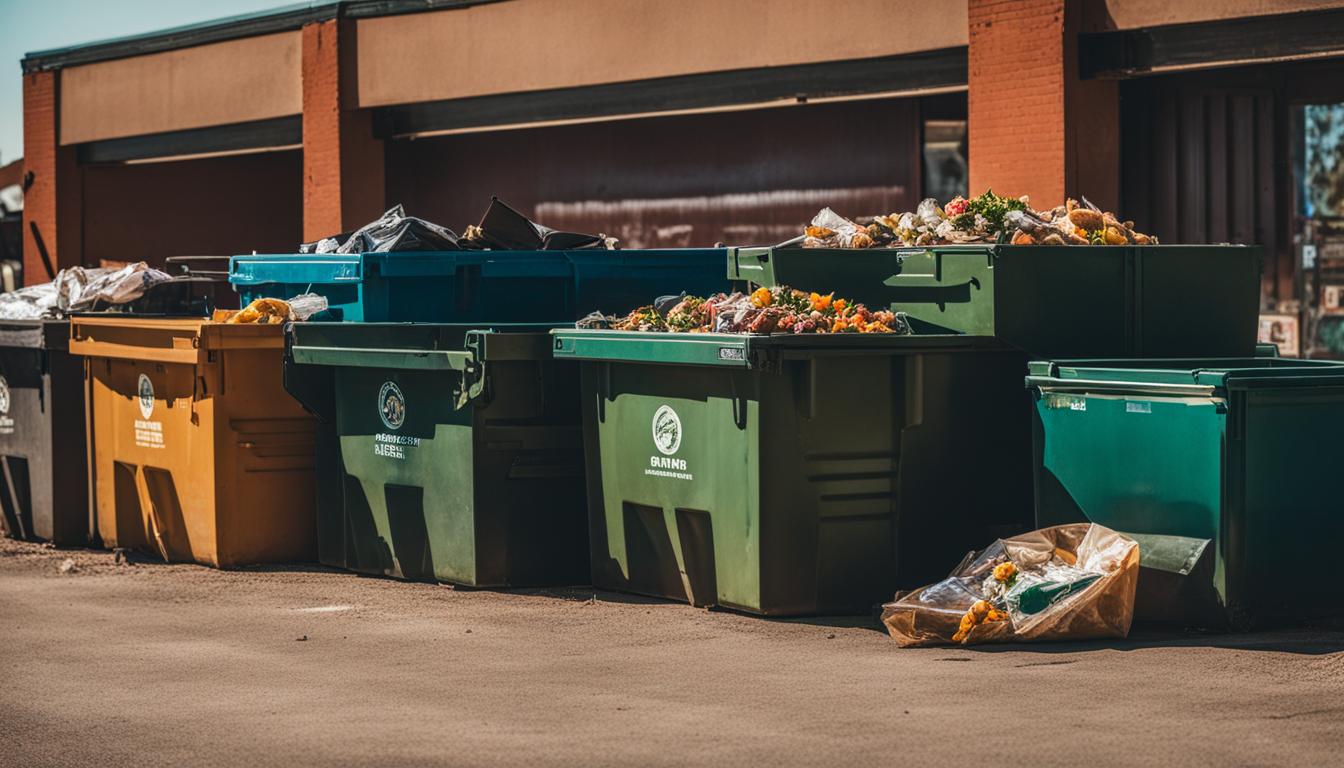
Is It Illegal For Someone To Go Through Your Trash In South Dakota is a question many residents ask when they discover someone has been searching through their garbage. The answer depends on where your trash is located and local ordinances in your specific city or county.
South Dakota follows federal guidelines established by the Supreme Court case California v. Greenwood, which generally allows trash searching once garbage reaches public areas. However, the state leaves most trash-related regulations to local municipalities, creating a patchwork of rules across different communities.
TL;DR
- Trash on your private property remains protected under trespassing laws in South Dakota.
- Once trash reaches the curb or public collection areas, it typically loses legal protection under federal precedent.
- Over 20 South Dakota cities have specific ordinances prohibiting unauthorized trash collection or scavenging.
- Penalties for illegal trash searching range from $50 fines to misdemeanor charges depending on local laws.
Is It Illegal For Someone To Go Through Your Trash In South Dakota
South Dakota does not have a specific state law prohibiting people from going through trash. The state relies on existing trespassing laws and allows local governments to create their own regulations about trash collection and scavenging.
Your trash receives the strongest legal protection when it remains on your private property. If someone enters your property to search through garbage bins, they can face trespassing charges regardless of local trash ordinances.
Federal Law and the Greenwood Decision
The 1988 Supreme Court case California v. Greenwood established that people have no reasonable expectation of privacy for trash placed in public areas for collection. This federal precedent applies across all states, including South Dakota.
Under this ruling, once you place trash at the curb for pickup, it typically becomes accessible to anyone. However, local ordinances can still restrict who can legally collect or search through this trash.
When Trash Loses Privacy Protection
Several factors determine when your trash loses legal protection in South Dakota:
- Location – Trash on private property maintains protection under trespassing laws.
- Collection day – Garbage placed for pickup typically loses privacy expectations.
- Public access – Trash in alleys, dumpsters, or public areas generally lacks protection.
- Local ordinances – City-specific rules may provide additional restrictions or protections.
Local Ordinances Across South Dakota Cities
Many South Dakota municipalities have enacted specific rules about trash collection and scavenging. These local laws often provide more protection than state or federal guidelines.
Sioux Falls prohibits unauthorized collection of recyclables and requires permits for commercial scavenging operations. Rapid City has similar restrictions and imposes fines for violating waste collection ordinances.
Common Local Restrictions
South Dakota cities typically regulate trash searching through these approaches:
- Scavenging permits. Some cities require licenses for people who regularly collect items from trash.
- Time restrictions. Many ordinances prohibit trash searching during certain hours, usually nighttime.
- Volume limits. Some areas restrict how much material can be collected by non-authorized individuals.
- Cleanup requirements. Cities may require people to clean up any mess created while searching trash.
Check Your Local Laws
Contact your city clerk or police department to learn about specific trash ordinances in your area. These local rules often provide more protection than state law.
Property Rights and Trespassing
South Dakota property laws provide clear protection for trash that remains on private land. Anyone entering your property without permission to search through garbage can face criminal trespassing charges under South Dakota law.
This protection extends to enclosed areas like fenced yards, attached garages, and storage buildings. Even if trash is visible from public areas, accessing it requires crossing private property boundaries.
Private Property Boundaries
Understanding property lines helps determine when trash searching becomes trespassing:
- Driveway placement – Trash in private driveways typically remains protected property.
- Fence lines – Enclosed areas maintain stronger privacy expectations under state law.
- Easements – Public utility easements may complicate property boundary determinations.
- Rental properties – Tenants generally have the same trash privacy rights as property owners.
Penalties for Illegal Trash Searching
Penalties for unauthorized trash collection vary significantly across South Dakota communities. Most violations result in municipal fines, but repeated offenses or trespassing can lead to criminal charges.
First-time violators typically face fines between $50 and $200 for breaking local scavenging ordinances. More serious cases involving trespassing or property damage can result in misdemeanor charges and potential jail time.
Enforcement Challenges
Law enforcement agencies face several difficulties when investigating trash-related complaints:
- Proof requirements – Officers need evidence that trash searching violated specific laws.
- Jurisdiction issues – Different rules apply depending on exact location and local ordinances.
- Priority levels – Many departments treat trash complaints as lower-priority civil matters.
- Witness availability – Cases often depend on homeowner testimony and surveillance footage.
Protecting Your Trash Privacy
South Dakota residents can take several steps to protect their garbage from unauthorized searching. These measures work within existing legal frameworks while providing practical privacy protection.
Physical security measures offer the most reliable protection since they prevent access regardless of local ordinance variations. Similar approaches work effectively in other states where trash laws vary by locality.
Practical Protection Strategies
- Delayed placement. Put trash out on collection day morning rather than the night before.
- Secure containers. Use lockable bins or tie bags securely to prevent easy access.
- Shredding documents. Destroy sensitive papers before disposal to protect personal information.
- Strategic timing. Monitor collection schedules to minimize exposure time on public property.
Articles You May Like
Frequently Asked Questions
Can police search my trash without a warrant in South Dakota?
Police can search trash placed in public areas for collection without a warrant under the Greenwood decision. Trash on private property typically requires a warrant or consent.
What should I do if I catch someone going through my trash?
Call local police if the person is on your private property, as this constitutes trespassing. Document the incident with photos or video if possible.
Do apartment dumpsters have different rules than residential trash?
Apartment dumpsters on private property maintain some protection, but accessibility to the general public may reduce privacy expectations under local ordinances.
Can I post signs to prevent trash searching?
Signs may help establish intent but cannot override local ordinances that allow trash collection in public areas after pickup placement.
Are there different rules for recyclable materials?
Many South Dakota cities have specific ordinances protecting recyclable materials from unauthorized collection, often with higher penalties than regular trash violations.
Final Thoughts
Is It Illegal For Someone To Go Through Your Trash In South Dakota depends heavily on location, timing, and local ordinances rather than state law. While federal precedent allows trash searching in public areas, many cities provide additional protections through municipal codes.
Check with your local authorities to understand specific rules in your area and consider practical security measures to protect your privacy regardless of legal variations.