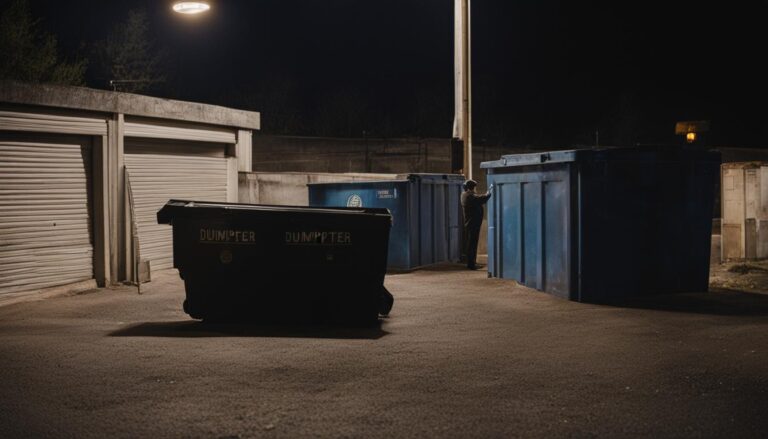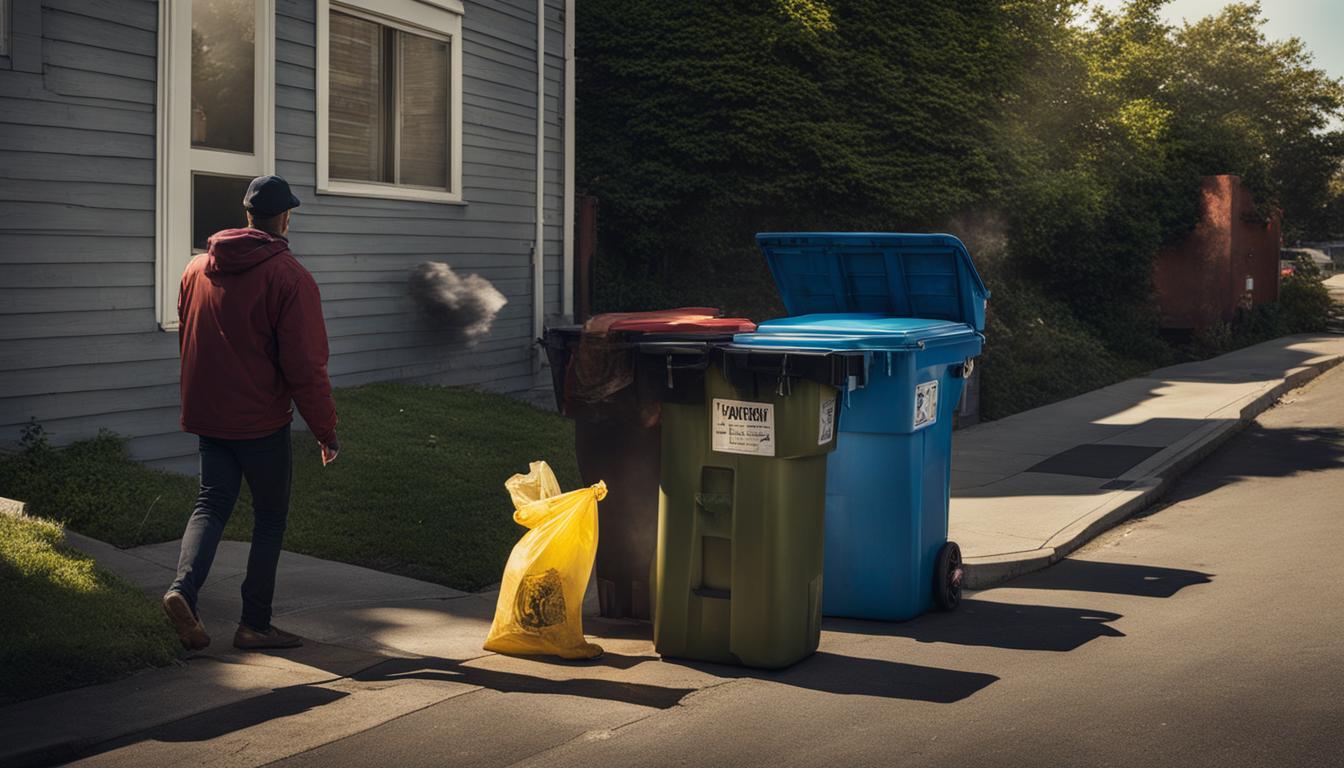
Is It Illegal For Someone To Go Through Your Trash In Washington depends on where your trash is located and local city ordinances. Washington state follows federal precedent that generally allows trash searching once it reaches public property, but many cities have created their own rules to protect residents.
The laws get tricky because Washington gives significant authority to local governments. What’s perfectly legal in one city might result in fines or criminal charges in another, so knowing your specific area’s rules is essential.
TL;DR
- Washington state has no specific law banning trash searching, but over 30 cities have local ordinances prohibiting it.
- Seattle Municipal Code 21.36.415 makes going through someone’s trash a civil infraction with fines up to $500.
- Trash on your private property remains protected – searching it could result in trespassing charges.
- Once trash reaches the curb or public collection areas, federal precedent generally allows searching unless local laws say otherwise.
Is It Illegal For Someone To Go Through Your Trash In Washington
Washington state operates under a complex system where state law provides the foundation, but cities and counties add their own specific protections. The state itself doesn’t have a blanket prohibition on trash searching, following the 1988 Supreme Court case California v. Greenwood that ruled trash loses Fourth Amendment protection once placed for collection.
However, many Washington communities have decided this federal standard isn’t enough protection for their residents. Cities like Seattle, Spokane, Tacoma, and Bellingham have all created local laws that make going through someone’s trash illegal, regardless of where it’s located.
State Law Foundation
Washington’s Revised Code doesn’t contain specific statutes about trash searching by private individuals. The state relies on existing trespassing, theft, and privacy laws to handle most situations involving unwanted trash examination.
This means that if someone enters your property to access your trash, they’re likely breaking trespassing laws. If they take items of value from your trash, they could face theft charges depending on the circumstances and local prosecutor’s interpretation.
Property Line Protection
The key factor in Washington is where your trash sits when someone searches it. Trash containers on your private property – whether in your garage, backyard, or even on your porch – maintain full legal protection.
Anyone searching trash on private property without permission commits criminal trespass, which is a misdemeanor in Washington. This protection remains strong regardless of what city you live in.
Local City Ordinances
Many Washington cities have created comprehensive trash protection laws that go beyond state and federal minimums. These local ordinances typically treat trash searching as a civil infraction similar to a parking ticket, though repeat offenses can escalate.
The most common approach is to make it illegal to disturb, scatter, or remove items from any residential trash container, regardless of its location. This covers trash at the curb, in alleys, or in designated collection areas.
Seattle’s Approach
Seattle Municipal Code 21.36.415 specifically prohibits disturbing or scattering the contents of any garbage or recycling container. Violations result in civil infractions with fines starting at $27 for first offenses and escalating to $500 for repeat violations.
The city’s law covers all residential areas and applies whether the trash is on private property or in public collection zones. Seattle also allows property owners to post “No Scavenging” signs for additional deterrent effect.
Other Major Cities
Spokane, Tacoma, Vancouver, and Bellingham all have similar ordinances with slight variations in penalty amounts and enforcement approaches. Most focus on civil infractions rather than criminal charges for first-time offenders.
Smaller cities often adopt model ordinances provided by the Association of Washington Cities, which typically include trash protection provisions. Always check with your specific city hall or police department for local rules.
Check Your Local Laws
Call your city hall or check your municipality’s website for specific trash ordinances. Many cities post their municipal codes online with searchable databases.
What Counts as Going Through Trash
Washington’s local ordinances typically define prohibited activities broadly to close loopholes. Most laws prohibit disturbing, scattering, removing, or examining the contents of residential trash containers.
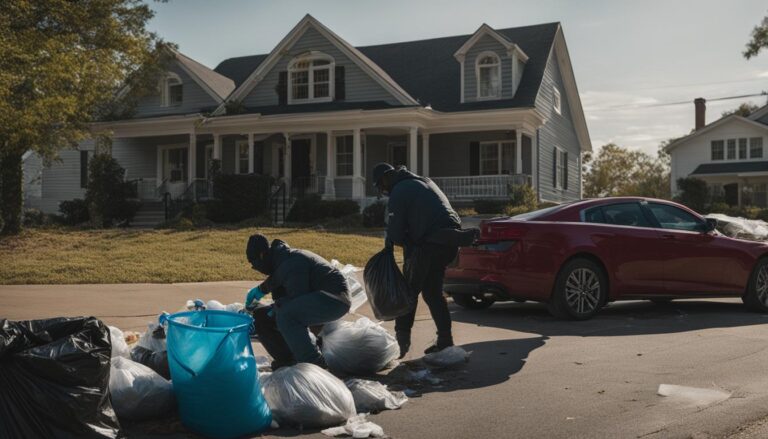
This means you don’t have to actually take items – just moving things around or looking through containers violates most city ordinances. Some laws even prohibit opening trash can lids without permission.
Common Violations
- Container searching – Opening and looking through trash bags or bins.
- Item removal – Taking anything from trash containers, even items with no apparent value.
- Scattering contents – Dumping or spreading trash while searching, even if you clean it up afterward.
- Repeated disturbance – Multiple visits to the same containers, which often triggers enhanced penalties.
Enforcement and Penalties
Most Washington cities treat trash violations as civil infractions handled through their municipal court systems. This means no jail time for basic violations, but fines can add up quickly for repeat offenders.
Enforcement often relies on resident complaints since police rarely patrol specifically for trash violations. However, some cities conduct periodic compliance sweeps in areas with frequent problems.
Typical Penalty Structure
- First offense. Warning or fine between $25-100 depending on the city.
- Second offense. Fine typically doubles to $50-200 range within a 12-month period.
- Third offense. Maximum civil penalties often apply, ranging from $200-500.
- Criminal escalation. Repeat offenders may face criminal trespass or theft charges if they continue after multiple citations.
Legal Exceptions
Washington’s trash laws include several common-sense exceptions that allow certain activities while maintaining privacy protections for residents. These exceptions prevent the laws from being overly broad while still protecting against unwanted intrusion.
Most cities allow waste management employees, recycling workers, and city personnel to handle trash as part of their official duties. Some ordinances also permit property owners or their authorized agents to search their own trash.
Authorized Activities
- Waste collection – Garbage and recycling workers performing scheduled pickups.
- Property owner rights – Residents searching their own trash or authorizing others to do so.
- Emergency situations – First responders or utility workers accessing containers for public safety reasons.
- Code enforcement – City officials investigating potential violations of health or safety codes.
Privacy vs. Public Access
The tension between privacy rights and public access creates ongoing legal debates in Washington communities. Some argue that once trash reaches public collection areas, it should be freely accessible, while others believe residents deserve protection regardless of location.
Washington’s approach of allowing local control means communities can decide this balance for themselves. Urban areas tend to favor stronger privacy protections, while rural communities often rely on state and federal standards.
Articles You May Like
Frequently Asked Questions
Can police search my trash in Washington without a warrant?
Police can generally search trash placed for collection without a warrant under federal precedent, but some Washington cities require warrants even for police searches. Check your local ordinances for specific police authority rules.
What should I do if I catch someone going through my trash?
Contact your local police non-emergency line to report the violation and document the incident with photos if safe to do so. Most cities will issue citations based on resident complaints and evidence.
Are there different rules for apartment complex dumpsters?
Apartment dumpsters are typically considered private property, so searching them without permission violates both trespassing laws and local trash ordinances. Property managers can authorize access or post restrictions.
Can I put up signs to deter trash searchers?
Yes, posting “No Scavenging” or “No Trespassing” signs can provide additional legal deterrent and may increase penalties for violations in some cities. Clear signage also helps with enforcement documentation.
Final Thoughts
Is It Illegal For Someone To Go Through Your Trash In Washington varies significantly based on your specific city’s ordinances and where your trash is located. While state law provides basic protections, many communities have added stronger privacy safeguards through local legislation.
The safest approach is to check your city’s municipal code and keep trash containers on private property until collection day when possible. Understanding both state and local rules helps protect your privacy while avoiding legal issues.