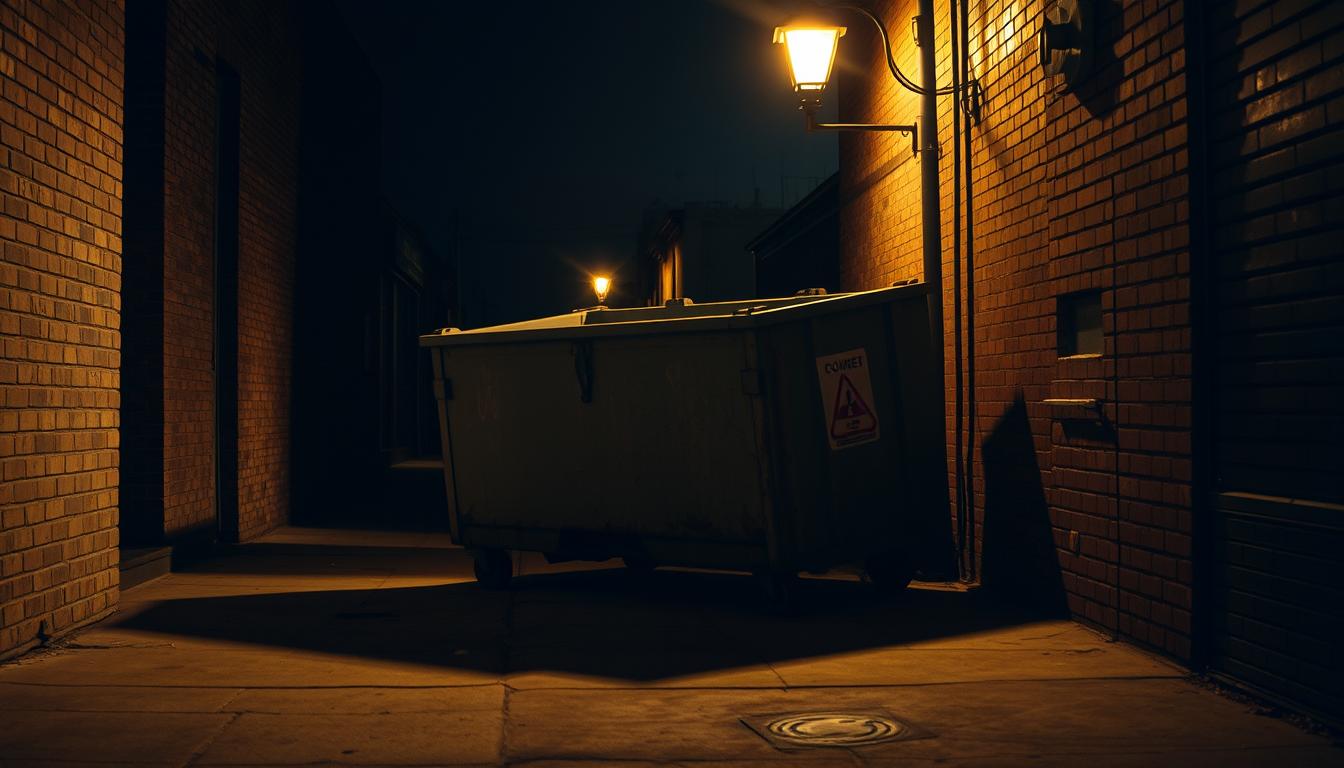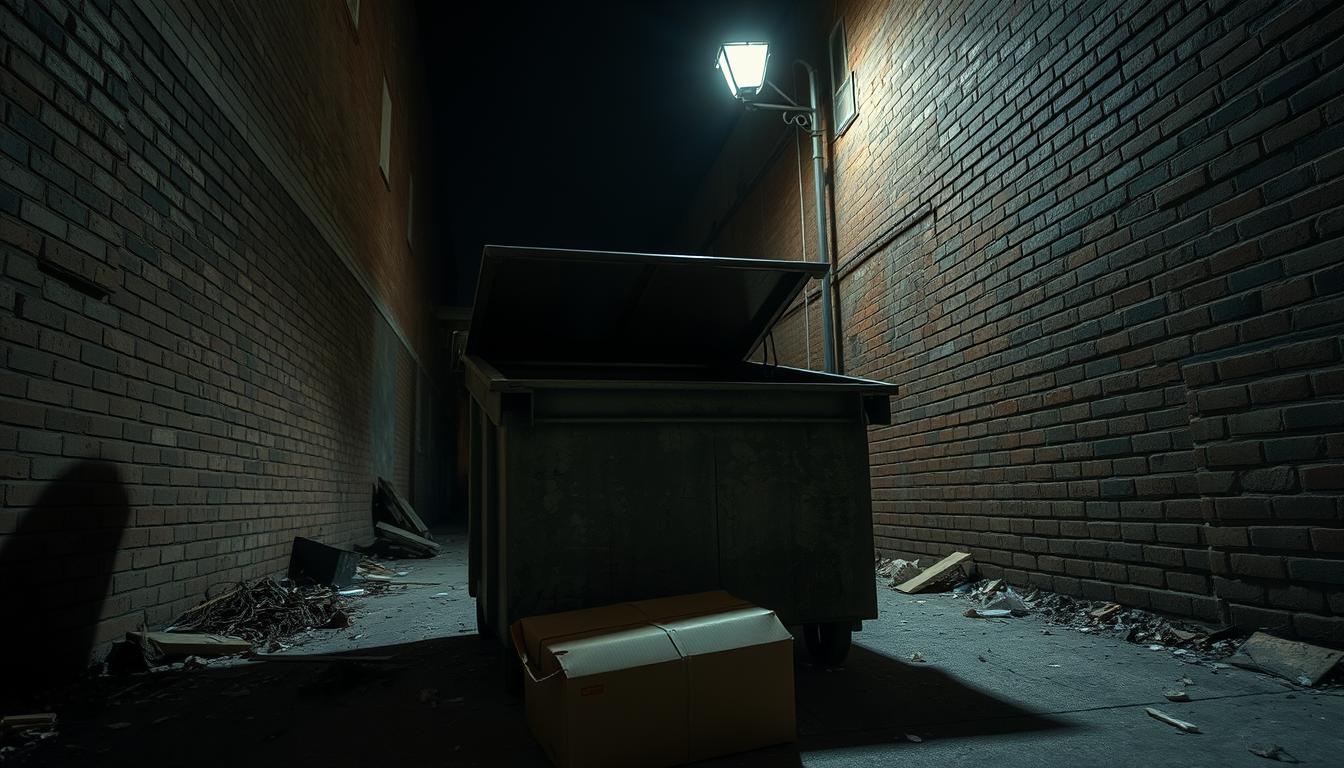
Is It Legal To Dumpster Dive In Alabama? The answer depends on where you’re diving and local city ordinances, but Alabama state law generally allows dumpster diving on public property. Understanding the specific rules can help you avoid legal trouble while finding valuable items that others have thrown away.
Alabama follows federal precedent set by California v. Greenwood, which ruled that trash placed on public property loses its expectation of privacy. However, individual cities and counties can create their own restrictions, making it important to check local laws before you start diving.
TL;DR
- Alabama state law permits dumpster diving on public property, following the California v. Greenwood precedent.
- Private property dumpster diving is illegal and can result in trespassing charges with fines up to $500.
- Birmingham and Montgomery have specific ordinances that may restrict diving in certain commercial areas.
- Night diving is generally safer from a legal standpoint as fewer people are around to complain or call authorities.
Is It Legal To Dumpster Dive In Alabama
Alabama state law doesn’t specifically prohibit dumpster diving, which means it’s generally legal when done correctly. The key distinction lies between public and private property – diving in dumpsters on public streets or in public areas is typically allowed, while accessing dumpsters on private property crosses into trespassing territory.
The legal foundation comes from the 1988 Supreme Court case California v. Greenwood, which established that people abandon their expectation of privacy when they place trash in public areas. Alabama courts recognize this principle, meaning items in dumpsters on public property are fair game for anyone to collect.
Public vs Private Property Rules
Understanding property boundaries is essential for legal dumpster diving in Alabama. Public property includes streets, sidewalks, parks, and other government-owned areas where dumpsters might be accessible without entering private land.
Private property encompasses shopping centers, apartment complexes, restaurants, and business premises. Even if a dumpster sits near the street, it might still be on private property, making access illegal without permission from the property owner.
- Legal locations – Public streets, city-owned properties, and areas accessible without crossing private boundaries.
- Illegal locations – Behind businesses, in parking lots, apartment complexes, and gated areas requiring entry through private property.
- Gray areas – Dumpsters at the edge of private property that might be accessible from public sidewalks.
City-Specific Ordinances
Many Alabama cities have created their own rules about dumpster diving that go beyond state law. Birmingham has ordinances about scavenging in certain commercial districts, while Montgomery restricts access to dumpsters in downtown areas during specific hours.
Smaller cities like Huntsville, Mobile, and Tuscaloosa generally follow state guidelines but may have health department regulations that affect diving practices. Always check with local city halls or police departments to understand current ordinances in your area.
Major City Rules
- Birmingham – Restricts commercial area diving and requires permits for large-scale scavenging operations.
- Montgomery – Limits downtown diving hours and prohibits diving near government buildings.
- Mobile – Follows state law with additional health code restrictions in food service areas.
- Huntsville – Generally permits diving but restricts access during special events and in certain residential zones.
Trespassing and Property Rights
Trespassing charges represent the biggest legal risk for dumpster divers in Alabama. Even accidentally stepping onto private property while accessing a dumpster can result in criminal trespassing charges, which carry fines up to $500 and possible jail time for repeat offenses.
Property owners have the right to post “No Trespassing” signs and call police if they catch someone on their land without permission. Many businesses specifically prohibit dumpster diving in their lease agreements or company policies, giving them legal grounds to pursue charges against violators.
Stay Safe and Legal
Always carry a flashlight and wear gloves when diving, even during daytime hours. If approached by police or property owners, be polite and leave immediately when asked – arguing rarely helps your case.
Best Practices for Legal Diving
Following personal safety tips for dumpster divers helps you stay both safe and legal while diving in Alabama. Start by researching your target areas during daylight hours to identify property boundaries and access points that don’t require trespassing.
Timing matters for legal compliance – nighttime vs. daytime dumpster diving each has advantages, but night diving often reduces the chance of confrontations with property owners or complaints from the public.
- Scout locations first. Drive through areas during the day to identify accessible dumpsters and note any posted signs or barriers.
- Stick to public property. Only access dumpsters you can reach without stepping onto private land or parking lots.
- Respect posted signs. “No Trespassing” and “Private Property” signs have legal weight – avoid these areas completely.
- Be prepared to leave. If anyone asks you to leave or shows discomfort, comply immediately and politely.
What to Do If Confronted
If police or property owners confront you while dumpster diving, remain calm and cooperative. Explain that you believed you were on public property and immediately comply with any requests to leave the area.
Don’t argue about legal technicalities or try to educate officers about dumpster diving laws during the encounter. Ask for clarification about property boundaries if you’re genuinely confused, but accept their directions without debate to avoid escalating the situation into something more serious.
What Not to Take
Certain items create additional legal risks even when found in legal locations. Personal documents with names and addresses, credit cards, and mail can lead to identity theft charges if you’re caught with them, regardless of where you found them.
Prescription medications and anything that might be considered medical waste should also be avoided. These items have specific disposal regulations under Alabama health codes that make possession problematic even for dumpster divers.
Articles You May Like
Frequently Asked Questions
Can I dumpster dive behind restaurants in Alabama?
Only if the dumpster is accessible from public property without trespassing. Most restaurant dumpsters are on private property, making access illegal without permission.
What happens if I get caught dumpster diving on private property?
You could face criminal trespassing charges with fines up to $500 and possible jail time for repeat offenses. Property owners can also ban you from returning to their premises.
Are there any items I legally cannot take from dumpsters?
Avoid personal documents, credit cards, mail, prescription medications, and anything that appears to contain personal information. These items can lead to additional charges beyond trespassing.
Do I need permission to dumpster dive in Alabama?
No permission is needed for diving on public property, but you should always get explicit permission before accessing dumpsters on private property to avoid trespassing charges.
Final Thoughts
Is It Legal To Dumpster Dive In Alabama comes down to respecting property boundaries and understanding local ordinances. While state law generally permits diving on public property, the real challenge lies in identifying truly public locations and avoiding private property violations.
Start with learning the basics of dumpster diving and always prioritize legal compliance over potential finds. The best diving experience is one that doesn’t involve legal complications or confrontations with property owners.