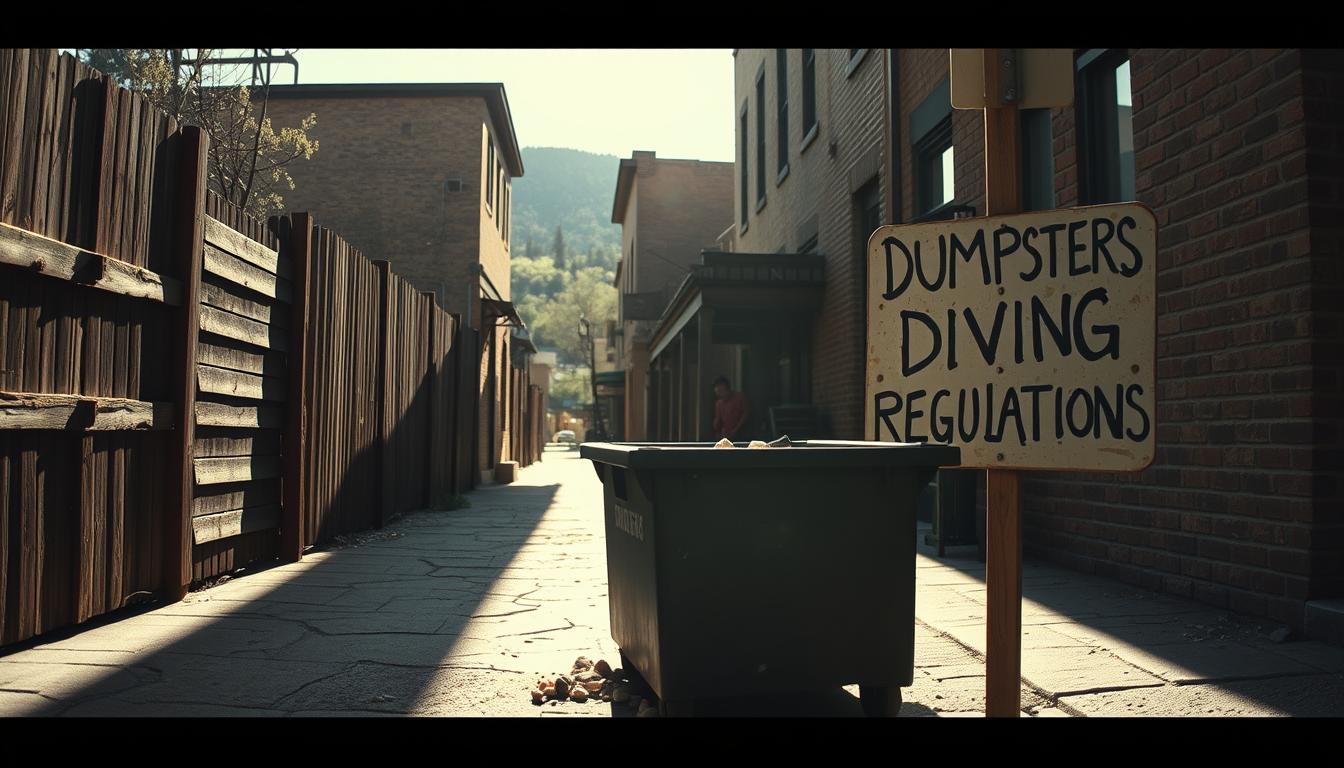
Is It Legal To Dumpster Dive In Colorado? The answer depends on where you’re diving and how you’re doing it. Colorado follows federal guidelines that generally allow dumpster diving on public property, but local laws and private property rules can change everything.
Understanding Colorado’s specific regulations will help you avoid legal trouble while finding valuable items that others have thrown away. Many divers in Colorado have found electronics, furniture, and other useful goods by following the right approach.
TL;DR
- Colorado allows dumpster diving on public property where dumpsters are accessible from public areas.
- Diving on private property without permission is trespassing and can result in fines up to $300.
- Denver and Boulder have specific ordinances that may restrict diving hours to daylight only.
- Always check for “No Trespassing” signs and avoid dumpsters behind locked gates or fences.
Is It Legal To Dumpster Dive In Colorado
Colorado state law doesn’t specifically ban dumpster diving, which means it follows the federal precedent set by California v. Greenwood. This 1988 Supreme Court case ruled that people have no expectation of privacy for items they throw away in public dumpsters.
The key factor in Colorado is location – you can legally dive in dumpsters that are accessible from public property. This includes dumpsters on public streets, in public alleys, or anywhere you can reach without crossing private property lines.
Public vs Private Property Rules
Public property diving is generally legal as long as you’re not violating other laws like disturbing the peace or creating a mess. You can access dumpsters from sidewalks, public alleys, and street-side locations without legal issues.
Private property diving requires permission from the property owner. Walking onto private business lots, apartment complexes, or residential properties to access dumpsters constitutes trespassing under Colorado law.
Colorado Trespassing Laws and Penalties
Colorado Revised Statutes 18-4-502 defines criminal trespass as entering someone else’s property without permission. This applies directly to dumpster diving on private property, even if the dumpster itself sits in a publicly accessible area.
Trespassing penalties in Colorado include fines ranging from $100 to $300 for first offenses. Repeat offenses or trespassing with intent to commit other crimes can result in higher fines and potential jail time up to 6 months.
- First-degree trespass – Unlawfully entering a building, up to 120 days in jail and $750 fine.
- Second-degree trespass – Unlawfully remaining on property after being told to leave, up to 90 days in jail and $300 fine.
- Third-degree trespass – Unlawfully entering fenced or posted property, up to 6 months in jail and $750 fine.
Local City Ordinances
Many Colorado cities have their own rules that add restrictions beyond state law. Personal safety and legal compliance require checking local ordinances before you start diving.
Denver Municipal Code prohibits scavenging through refuse containers between 9 PM and 6 AM. The city also requires that divers clean up any mess they create and avoid damaging containers or surrounding property.
Denver Specific Rules
Denver treats dumpster diving as “scavenging” under city ordinance 54-374. You must dive during daylight hours only and cannot scatter trash or leave areas messier than you found them.
The city can issue citations for violations, with fines starting at $75 for first offenses. Repeat violations within 12 months increase to $150, then $300 for third and subsequent offenses.
Boulder and Fort Collins
Boulder requires divers to have verbal or written permission from property owners, even for dumpsters that appear publicly accessible. This makes legal diving more restrictive than other Colorado cities.
Fort Collins follows state guidelines but adds requirements for cleaning up after diving and prohibits taking items from recycling containers specifically marked for city collection.
Check Property Lines Carefully
Use your phone’s GPS to confirm you’re on public property before approaching any dumpster. Many businesses place dumpsters just inside their property line to prevent legal diving access.
What to Avoid
Several situations make dumpster diving illegal in Colorado regardless of location. Safety and legal concerns overlap when you encounter these restricted scenarios.
Never dive in dumpsters behind locked gates, fenced areas, or buildings with “No Trespassing” signs. These clear markers indicate private property where diving constitutes trespassing.
- Locked enclosures – Climbing fences or breaking locks is illegal entry.
- Residential complexes – Apartment and condo dumpsters are typically on private property.
- Business parking lots – Most commercial dumpsters sit on private business property.
- Construction sites – Active construction areas have strict no-trespassing enforcement.
- Hospital and medical facilities – Health regulations prohibit access to medical waste containers.
Best Practices for Legal Diving
Following proper techniques keeps you within legal boundaries while maximizing your chances of finding valuable items. Scouting prime locations legally requires understanding property boundaries and local rules.
Always dive during daylight hours when possible, as this reduces suspicion and complies with most city ordinances. Bring a flashlight for early morning or evening dives when natural light is limited.
- Check property lines. Confirm the dumpster sits on public property or get written permission from private owners.
- Research local laws. Contact city hall or check municipal websites for specific ordinances in your area.
- Clean up after yourself. Leave areas cleaner than you found them to avoid citations and maintain access.
- Respect posted signs. “No Trespassing” and “Private Property” signs have legal weight in Colorado.
- Avoid confrontation. If asked to leave by property owners or security, comply immediately and politely.
Profitable Diving Locations
Colorado offers several types of legal diving locations that frequently yield valuable finds. Large retailers like Costco sometimes place dumpsters in publicly accessible areas, though you must verify the exact property lines.
College towns like Boulder and Fort Collins see increased activity during move-out periods when students discard furniture, electronics, and other valuable items. These areas often have dumpsters on public property near student housing.
Seasonal Opportunities
Colorado’s seasonal patterns create prime diving opportunities at specific times. End of semester periods at universities yield electronics, furniture, and textbooks from departing students.
Spring cleaning season from April to June increases residential waste volume, with more items appearing in publicly accessible dumpsters. Holiday seasons also generate increased waste with potential for finding unopened packages and seasonal items.
Articles You May Like
Frequently Asked Questions
Can I dumpster dive behind stores in Colorado?
Only if the dumpster is accessible from public property without crossing private land. Most store dumpsters sit on private business property, making diving there illegal trespassing.
What happens if I get caught dumpster diving illegally in Colorado?
You could face trespassing charges with fines from $100 to $750 depending on the violation type. Repeat offenses may include jail time up to 6 months.
Do I need permission to dive in apartment complex dumpsters?
Yes, apartment complexes are private property and diving their dumpsters without permission is trespassing. Contact property management for written permission before diving.
Are there specific hours when dumpster diving is illegal in Colorado?
State law doesn’t restrict hours, but cities like Denver prohibit diving between 9 PM and 6 AM. Check your local city ordinances for specific time restrictions.
Can I take items from recycling dumpsters in Colorado?
Many cities prohibit taking items from official recycling containers marked for municipal collection. Regular trash dumpsters on public property are generally accessible legally.
Final Thoughts
Is It Legal To Dumpster Dive In Colorado becomes straightforward when you understand property boundaries and local ordinances. Focus on publicly accessible dumpsters and always respect private property rights to stay within legal limits.
Start with proper research and preparation to make your diving both legal and profitable in the Colorado area.