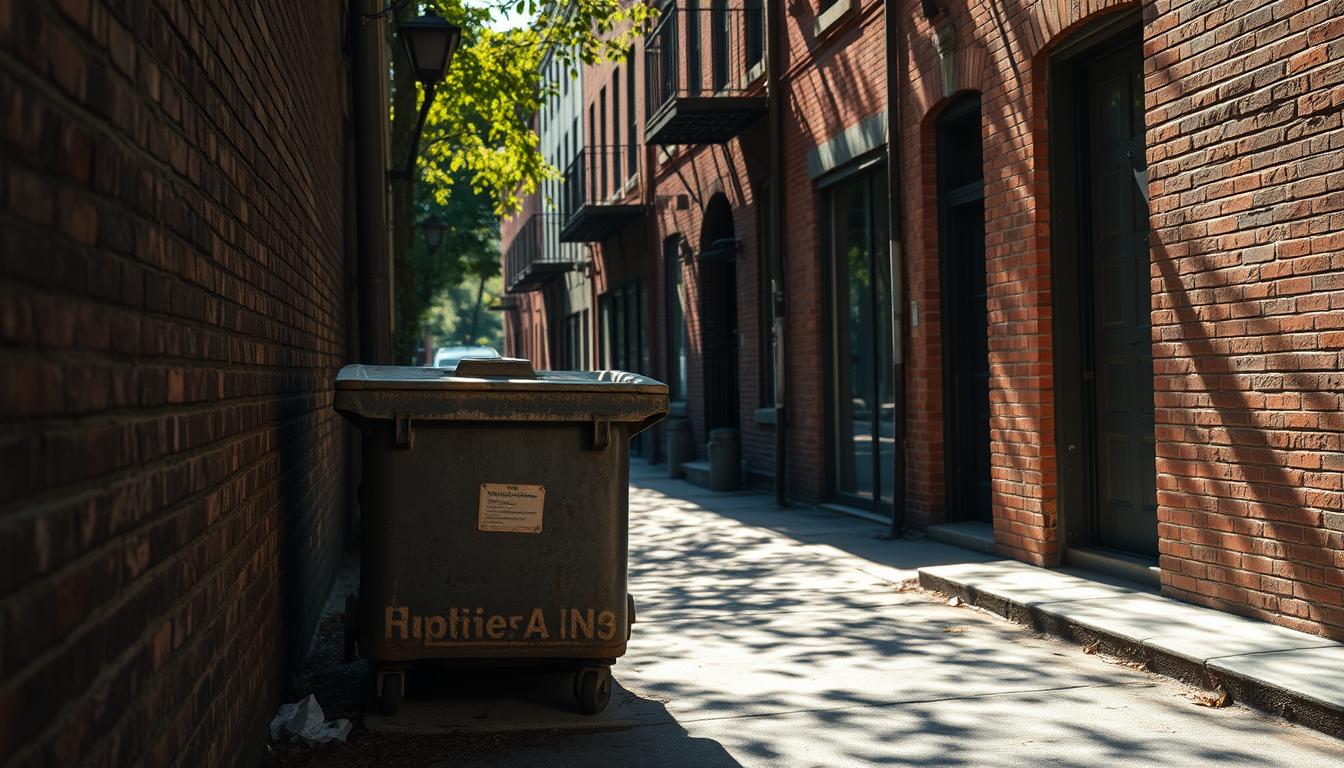
Is It Legal To Dumpster Dive In Indiana is a question many people ask when considering this money-saving practice. Indiana follows federal guidelines that generally allow dumpster diving on public property, but local ordinances and private property rules can create complications.
Understanding Indiana’s specific laws helps you stay within legal boundaries while finding valuable discarded items. The state’s approach balances individual rights with property owner protections and public safety concerns.
TL;DR
- Indiana permits dumpster diving on public property following the 1988 California v. Greenwood Supreme Court ruling.
- Private property dumpster diving requires explicit permission from property owners to avoid trespassing charges.
- Local ordinances in cities like Indianapolis and Fort Wayne may impose additional restrictions beyond state law.
- Police can legally search dumpsters without warrants, so avoid leaving personal information in discarded items.
Is It Legal To Dumpster Dive In Indiana
Indiana state law doesn’t specifically prohibit dumpster diving, making it generally legal under certain conditions. The practice falls under federal precedent established by California v. Greenwood, which determined that discarded items in public areas lose reasonable expectation of privacy.
However, the legality depends heavily on location and circumstances. Public dumpsters on city streets or in parks are typically fair game, while dumpsters on private property require different considerations.
Federal Law Foundation
The 1988 Supreme Court ruling in California v. Greenwood established that once items reach public trash collection areas, they’re considered abandoned property. This federal precedent applies across Indiana and gives legal protection to divers who follow proper protocols.
The ruling specifically stated that individuals forfeit privacy rights when placing trash in public areas for collection. This principle guides how Indiana courts and law enforcement approach dumpster diving cases.
Private Property Restrictions
Dumpster diving on private property without permission constitutes trespassing in Indiana. Property owners retain control over their premises and can legally restrict access to their dumpsters through signage or direct communication.
Many businesses post “No Trespassing” or “Private Property” signs near their dumpsters to establish clear boundaries. Ignoring these warnings can result in criminal trespassing charges, which carry fines up to $1,000 and possible jail time.
Getting Permission
Business owners sometimes grant permission for dumpster diving when approached respectfully. Explain your intentions honestly and offer to clean up any mess you might create during your search.
Some managers appreciate divers who help reduce their waste disposal costs by removing usable items. Building relationships with business owners creates ongoing opportunities for legal diving access.
Local Ordinance Variations
Indiana cities and counties can enact stricter rules than state law allows. Major cities like Indianapolis, Fort Wayne, and Evansville have specific ordinances that may limit or regulate dumpster diving activities.
These local rules often address public safety concerns, sanitation issues, or noise complaints from residents. Always check with local law enforcement or city offices before diving in new areas.
Common Local Restrictions
- Time limits – Many cities prohibit diving during specific hours to reduce noise complaints.
- Mess requirements – Ordinances often require divers to clean up any scattered trash.
- Vehicle parking – Restrictions on where you can park while accessing dumpsters.
- Commercial zones – Some areas prohibit diving in business districts entirely.
Check Before You Dive
Call local police non-emergency lines to ask about specific ordinances in your target areas. This simple step prevents legal complications and shows respect for community rules.
Safety and Legal Best Practices
Following safety protocols protects you legally and physically while dumpster diving in Indiana. Proper preparation and respectful behavior reduce conflicts with property owners and law enforcement.
Document your activities with photos showing clean-up efforts and respectful conduct. This evidence helps if disputes arise about your behavior or impact on the area.
Essential Safety Rules
- Wear protective gear. Gloves, closed-toe shoes, and long pants prevent injuries from sharp objects or contaminated materials.
- Bring lighting equipment. Flashlights or headlamps improve visibility and reduce accident risks during evening dives.
- Travel in pairs. Having a companion increases safety and provides witness support if legal issues arise.
- Carry identification. Police may question your activities, so proper ID helps establish legitimate intentions.
What You Can and Cannot Take
Indiana law doesn’t restrict specific types of items you can collect from legal dumpster diving locations. However, common sense and safety considerations should guide your choices about what to retrieve and keep.
Focus on non-perishable items, sealed products, and materials that don’t pose health risks. Avoid anything that could be contaminated or hazardous to handle without proper equipment.
Valuable Legal Finds
- Electronics – Working devices, cables, and accessories from office buildings and retail stores.
- Furniture – Solid wood pieces, metal items, and repairable household goods.
- Books and media – Educational materials, entertainment items, and collectible publications.
- Clothing – Clean, undamaged garments from retail locations and residential areas.
Dealing with Law Enforcement
Police encounters during dumpster diving are common but manageable with proper preparation and respectful behavior. Officers typically investigate to ensure you’re not trespassing or creating public disturbances.
Remain calm, provide identification when requested, and explain your activities clearly. Most officers understand the legal nature of public dumpster diving and will let you continue after verifying you’re following local rules.
Your Rights During Police Contact
You have the right to remain silent beyond providing identification, but cooperation often resolves situations quickly. Police cannot search your vehicle or belongings without probable cause or your consent.
If arrested or cited, contact an attorney familiar with Indiana property and trespassing laws. Understanding the ethics of dumpster diving helps you present your case more effectively.
Building Community Relations
Positive relationships with business owners, residents, and other community members make dumpster diving more sustainable and legally secure. Respectful behavior and community contribution create goodwill that protects your diving opportunities.
Volunteer for local clean-up events and share useful items with neighbors who need them. These actions demonstrate that dumpster diving can benefit communities rather than burden them.
Community Engagement Strategies
- Join local groups – Participate in environmental organizations and community improvement initiatives.
- Share resources – Distribute useful finds to schools, charities, and neighbors who need them.
- Clean up areas – Remove litter and organize scattered trash even when it’s not your responsibility.
- Educate others – Share knowledge about waste reduction and sustainable living practices through example.
Articles You May Like
Frequently Asked Questions
Can you get arrested for dumpster diving in Indiana?
You can be arrested for trespassing if diving on private property without permission, but diving in public areas is generally legal under federal precedent.
Do I need permission to dive behind stores in Indiana?
Yes, stores are private property so you need explicit permission from the business owner or manager to access their dumpsters legally.
What time of day is best for dumpster diving in Indiana?
Early morning hours are often best, but check local ordinances as some cities restrict diving during nighttime hours to reduce noise complaints.
Are there any items I cannot take from dumpsters in Indiana?
Indiana doesn’t restrict specific items, but avoid hazardous materials, contaminated food, and anything that poses health or safety risks.
Can businesses lock their dumpsters to prevent diving?
Yes, businesses can install locks, fences, or post signs to restrict access to their dumpsters as they are on private property.
Final Thoughts
Is It Legal To Dumpster Dive In Indiana comes down to location, permission, and local rules rather than blanket prohibitions. Following proper protocols and building community relationships makes this practice both legal and sustainable.
Start by researching local ordinances and getting started with basic safety practices before exploring your first diving locations.