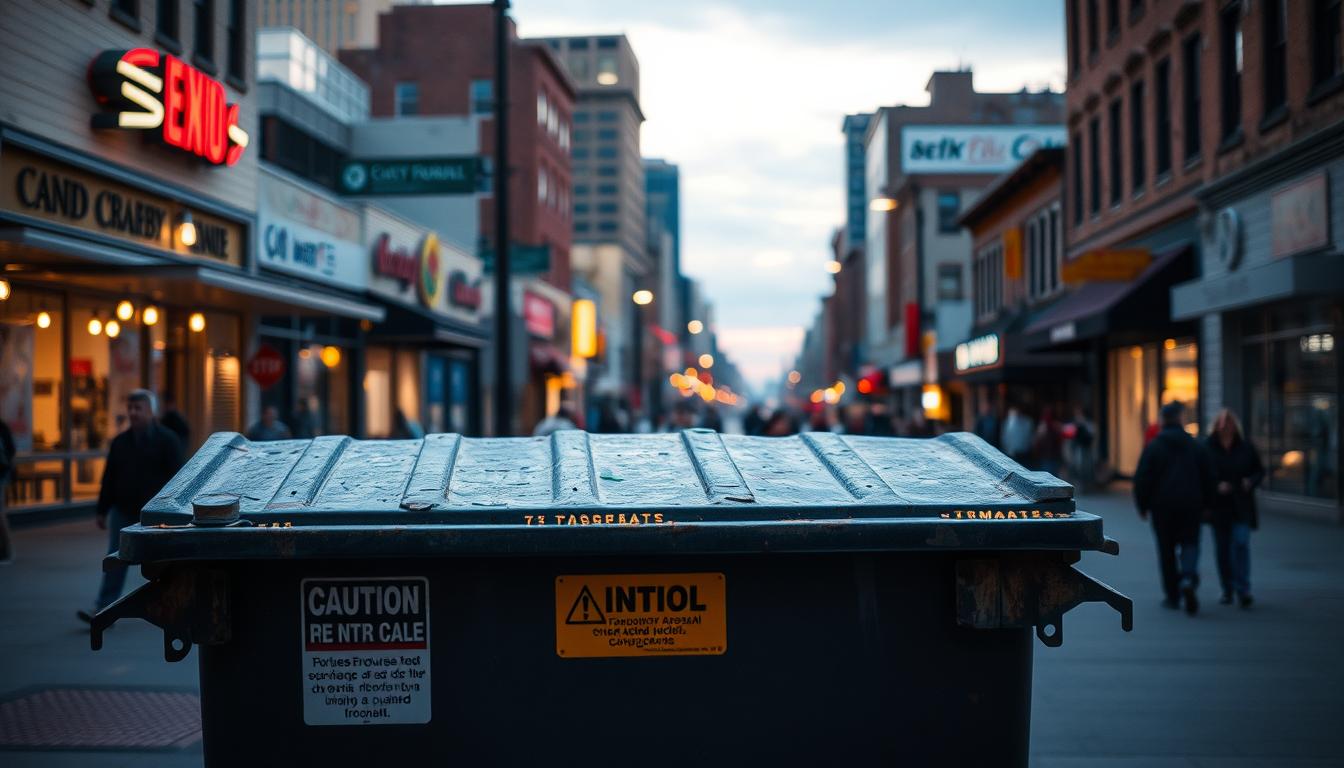
Is It Legal To Dumpster Dive In Kansas depends on local ordinances and property ownership, but state law generally allows trash collection from public areas. Kansas follows the federal precedent set by California v. Greenwood, which ruled that discarded items in public spaces have no expectation of privacy.
However, the legal landscape varies significantly across Kansas municipalities, with some cities implementing specific restrictions or outright bans. Understanding both state guidelines and local regulations is essential before starting your first dive in the Sunflower State.
TL;DR
- Kansas state law permits dumpster diving on public property, following the California v. Greenwood precedent from 1988.
- Wichita and Overland Park have specific ordinances that can result in $500+ fines for unauthorized trash collection.
- Private property diving requires explicit permission from property owners or constitutes trespassing under Kansas Statute 21-5808.
- Best diving times are typically Sunday evenings through Tuesday mornings when weekly trash collection occurs.
Is It Legal To Dumpster Dive In Kansas
Kansas operates under the abandoned property doctrine, which means items placed in public trash receptacles are considered abandoned and available for collection. The state doesn’t have specific anti-dumpster diving laws, making it generally permissible on public property.
Private property presents different challenges, as staying safe while scavenging requires understanding property boundaries. Diving on private property without permission violates trespassing laws and can result in criminal charges.
Kansas State Laws and Regulations
Kansas Statute 21-5801 defines theft as taking property without consent, but this doesn’t apply to genuinely abandoned items. Once trash reaches public collection areas, the original owner relinquishes legal claim to those items.
The key legal considerations include:
- Public vs. Private Property – Public sidewalks and streets allow diving, while private lots require permission.
- Trespassing Laws – Kansas Statute 21-5808 makes unauthorized entry onto private property a misdemeanor.
- Disorderly Conduct – Creating mess or disturbances can result in charges under Kansas Statute 21-6203.
- Health Regulations – Some counties have sanitation rules that affect trash handling.
Municipal Variations Across Kansas
Local ordinances create the most significant legal variations for divers. Wichita Municipal Code 5.12.050 prohibits scavenging from residential trash containers, with fines starting at $100.
Overland Park has similar restrictions under Ordinance 2847, which specifically targets commercial dumpster diving. Topeka allows diving but requires divers to clean up any scattered materials.
Where You Can Legally Dive
Public areas offer the safest legal ground for diving activities. City streets, public parking lots, and municipal waste collection points typically allow diving under state law.
Commercial areas present mixed opportunities, as many businesses place dumpsters on private property. Diving at major retailers like Walmart requires careful attention to property lines and posted signage.
Recommended Public Diving Locations
- Curbside Residential Areas – Best on trash collection mornings before pickup crews arrive.
- Public Parks and Recreation Areas – Often contain discarded sports equipment and outdoor gear.
- College Campus Perimeters – University of Kansas and Kansas State areas during move-out periods.
- Municipal Buildings – City halls and government offices sometimes discard office supplies.
Legal Risks and Penalties
Trespassing charges represent the most common legal risk for Kansas divers. First-time trespassing violations typically result in fines between $200-500, while repeat offenses can lead to jail time.
Theft charges are less common but possible if you take items from private property or restricted areas. Kansas treats theft as a misdemeanor for items under $1,500 in value.
Documentation Tip
Take photos of dumpster locations and property boundaries before diving. This documentation can prove you stayed within legal limits if questioned by authorities.
How to Avoid Legal Trouble
Successful diving requires preparation and respect for local regulations. Getting started with proper planning prevents most legal issues before they occur.
- Research Local Laws. Check municipal websites for specific ordinances in your target areas.
- Respect Property Rights. Only dive on public property or with explicit landowner permission.
- Clean Up After Yourself. Leave areas cleaner than you found them to avoid disorderly conduct charges.
- Avoid Confrontations. If asked to leave by property owners or security, comply immediately and politely.
Best Practices for Kansas Divers
Timing plays a crucial role in both legal compliance and finding quality items. Most Kansas municipalities collect residential trash on weekday mornings, making Sunday evenings ideal for curbside diving.
Commercial locations follow different schedules, with many restaurants and retail stores emptying dumpsters multiple times weekly. Choosing between nighttime and daytime diving affects both safety and legal visibility.
Essential Gear for Legal Compliance
- Flashlight or Headlamp – Avoid accusations of suspicious behavior in dark areas.
- Gloves and Hand Sanitizer – Meet health regulations and maintain sanitation standards.
- Trash Bags – Clean up any mess to avoid disorderly conduct issues.
- Identification – Carry ID to prove you’re not trespassing if questioned.
Articles You May Like
Frequently Asked Questions
Can police arrest you for dumpster diving in Kansas?
Police can arrest you for trespassing if you dive on private property without permission, but diving in public areas is generally legal under Kansas state law.
Do I need permission to dive behind businesses in Kansas?
Yes, you need explicit permission from business owners since most commercial dumpsters sit on private property, making unauthorized access a trespassing violation.
What happens if I get caught diving illegally in Kansas?
Illegal diving typically results in trespassing charges with fines ranging from $200-500 for first offenses, plus potential theft charges if you take items from restricted areas.
Are there any Kansas cities that completely ban dumpster diving?
Several Kansas cities including Wichita and Overland Park have ordinances restricting or prohibiting dumpster diving, with specific penalties outlined in municipal codes.
Final Thoughts
Is It Legal To Dumpster Dive In Kansas depends heavily on location and local ordinances, but state law generally permits diving in public areas. Success requires understanding the difference between public and private property while respecting municipal regulations.
Start with residential curbside diving in areas without specific prohibitions and always prioritize safety and legal compliance over potential finds.