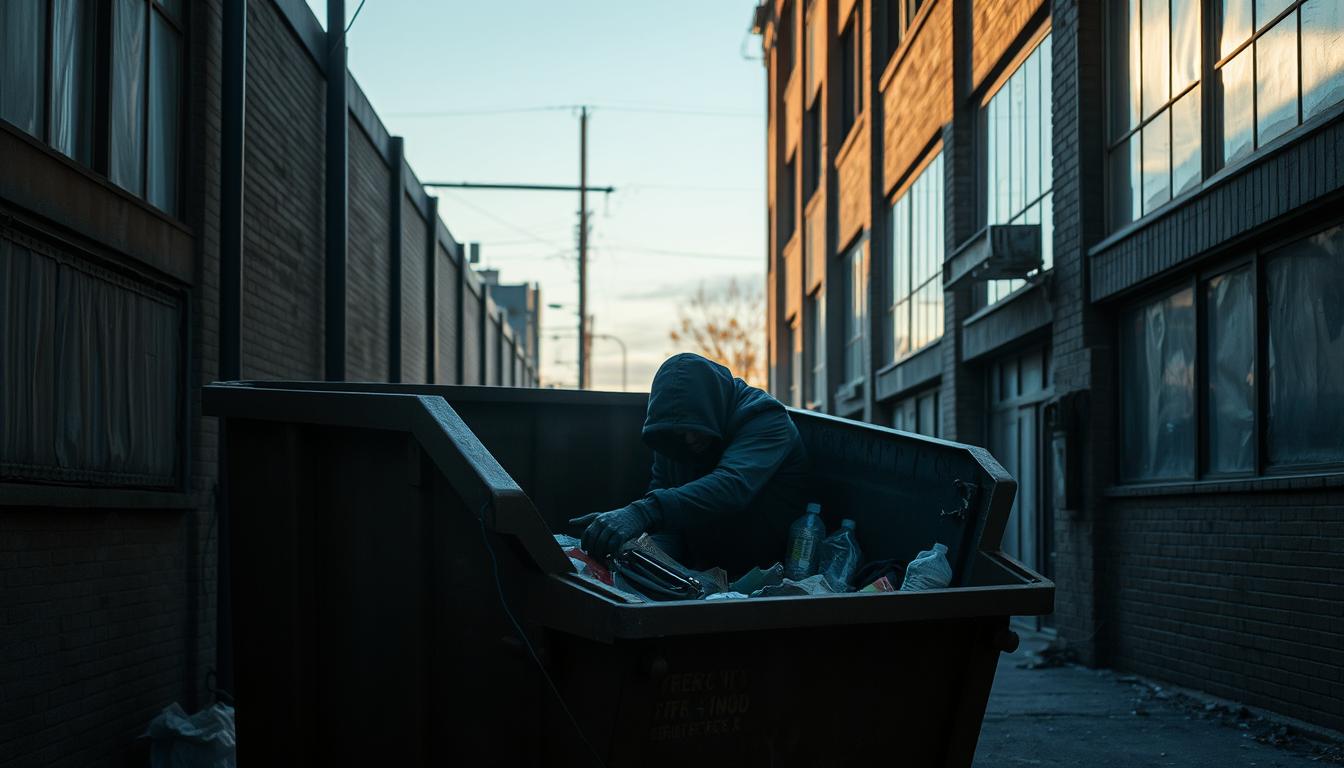
Is It Legal To Dumpster Dive In Louisiana? The answer depends on where you dive and local ordinances, but state law generally allows it on public property. Louisiana follows federal precedent that treats discarded items as abandoned property, meaning anyone can legally claim them once they’re placed for collection.
However, diving on private property without permission remains illegal, and many cities have their own rules that can restrict or ban the practice entirely. Understanding both state law and local regulations will keep you on the right side of the law while exploring this money-saving hobby.
TL;DR
- Louisiana state law generally permits dumpster diving on public property following the 1988 California v. Greenwood Supreme Court ruling.
- Cities like New Orleans and Baton Rouge may have specific ordinances that restrict or prohibit dumpster diving within city limits.
- Private property diving without permission is illegal statewide and can result in trespassing charges up to $500 in fines.
- Best legal diving spots include curbside trash on collection day and public dumpsters in shopping centers with proper access.
Is It Legal To Dumpster Dive In Louisiana
Louisiana doesn’t have a specific state law banning dumpster diving, which means it generally falls under federal precedent. The 1988 Supreme Court case California v. Greenwood established that people have no expectation of privacy for items they discard, making dumpster diving legal in most circumstances.
The key distinction lies in where you dive and how you access the dumpsters. Public property diving is typically legal, while private property diving without permission violates trespassing laws.
State Law Framework
Louisiana’s legal approach to dumpster diving centers around property rights and trespassing laws rather than specific waste collection statutes. Once someone places trash on public property for collection, they legally abandon their claim to those items.
However, accessing dumpsters on private property – like behind stores or in apartment complexes – requires permission from the property owner. Safety should always be your first priority when exploring any diving location.
Local Ordinances and City Rules
Many Louisiana cities have enacted their own rules that override state-level permissions. These local ordinances can completely ban dumpster diving or add specific restrictions that divers must follow.
Major cities often prohibit the practice entirely, while smaller communities may have more relaxed approaches. Always check with local authorities before diving in a new area.
New Orleans Regulations
New Orleans has strict waste management ordinances that generally prohibit scavenging through trash containers. The city considers it a public health and safety issue, with violations potentially resulting in fines.
The French Quarter and other tourist areas have particularly strict enforcement due to sanitation concerns. Commercial areas may allow curbside diving on collection days, but always verify current rules before diving.
Baton Rouge and Other Cities
Baton Rouge and other Louisiana cities each maintain their own waste collection policies. Some allow limited diving on public collection days, while others ban the practice completely.
Rural parishes typically have fewer restrictions, but you’ll still need to respect private property rights. Scouting locations properly helps you identify the most promising and legal diving spots.
Legal Diving Locations
Understanding where you can legally dive makes the difference between a successful treasure hunt and potential legal trouble. Focus on clearly public areas where trash has been placed for collection.
The safest legal options provide easy access without requiring you to enter private property or climb over barriers.
Curbside Collection
Curbside trash on collection day offers the most legally clear diving opportunity. Once homeowners place bags or bins on the public right-of-way, they’ve abandoned legal claim to the contents.
Timing matters – diving after official collection times may violate littering ordinances if you scatter debris. Early morning before pickup trucks arrive typically provides the best combination of selection and legal clarity.
Public Dumpsters
Some shopping centers and public facilities have dumpsters accessible from public areas. These locations can be legal if you’re not trespassing on private property to reach them.
However, many businesses post “No Trespassing” signs or place dumpsters behind locked gates, making access illegal. Major retailers like Walmart often have specific policies prohibiting diving on their property.
Legal Protection Tip
Always carry a printed copy of your local ordinances and state laws when diving. This documentation can help clarify your rights if questioned by security or police officers.
Private Property Restrictions
Private property diving remains the biggest legal risk for Louisiana dumpster divers. Even if dumpsters appear accessible, entering private property without permission violates trespassing laws regardless of what you’re looking for.
Property owners have the right to restrict access to their dumpsters, and many businesses actively discourage diving through posted signs and security measures.
Trespassing Penalties
Louisiana trespassing laws can result in fines up to $500 for first offenses, with potential jail time for repeat violations. Commercial properties often have security cameras and may prosecute trespassers aggressively.
Some businesses use private security services that regularly patrol dumpster areas. Getting caught on private property can lead to immediate police involvement and criminal charges.
Getting Permission
The safest approach for private property diving involves asking permission from property managers or business owners. Many are willing to allow diving if you explain your purpose and agree to clean up after yourself.
Building relationships with local businesses can create ongoing diving opportunities while keeping you completely within legal bounds. Ethical diving practices help maintain positive relationships with property owners.
Health and Safety Regulations
Louisiana health departments may have regulations that indirectly affect dumpster diving, particularly around food waste and hazardous materials. These rules exist to protect public health rather than specifically target divers.
Understanding these regulations helps you avoid accidentally violating health codes while diving legally.
Food Safety Concerns
Diving for discarded food involves additional health regulations that vary by parish. Some areas prohibit removing food waste entirely, while others allow it with specific precautions.
Restaurant and grocery store dumpsters may contain spoiled food that poses serious health risks. Even legal diving should avoid obviously contaminated or hazardous materials.
Best Practices for Legal Diving
Successful legal diving in Louisiana requires preparation, respect for property rights, and awareness of local conditions. Following established best practices keeps you safe and legal while maximizing your finds.
These practices also help maintain the positive image of the diving community and preserve access to good locations.
Research Before Diving
Always research local ordinances before diving in new areas. City websites often list current waste management policies, and calling local offices can clarify any unclear regulations.
Understanding collection schedules helps you time your dives for maximum legal clarity and best selection. Getting started properly includes learning your local legal landscape.
Respect Property and Community
Legal diving still requires respect for the community and property owners. Clean up after yourself, don’t make excessive noise, and avoid diving during business hours when possible.
Building positive relationships with local communities helps preserve diving opportunities for everyone. Poor behavior by individual divers can lead to new restrictions that affect the entire community.
Articles You May Like
Frequently Asked Questions
Can I get arrested for dumpster diving in Louisiana?
You can be arrested if you trespass on private property to access dumpsters, but diving from public areas is generally legal under state law.
Do I need permission to dive in apartment complex dumpsters?
Yes, apartment complex dumpsters are on private property, so you need permission from management or risk trespassing charges.
What are the fines for illegal dumpster diving in Louisiana?
Trespassing fines can reach $500 for first offenses, with additional penalties possible under local ordinances that specifically prohibit diving.
Are there specific times when dumpster diving is more legal?
Diving during official collection hours on public property offers the clearest legal protection, as items are clearly abandoned for pickup.
Can businesses ban me from diving in their dumpsters?
Yes, private businesses can prohibit access to their dumpsters and property, and violating these restrictions constitutes trespassing.
Final Thoughts
Is It Legal To Dumpster Dive In Louisiana depends heavily on location and local ordinances, but state law generally permits the practice on public property. Success requires understanding both state regulations and city-specific rules that may add restrictions.
Focus on clearly legal locations like curbside collection and always respect private property rights to enjoy this hobby safely and legally.