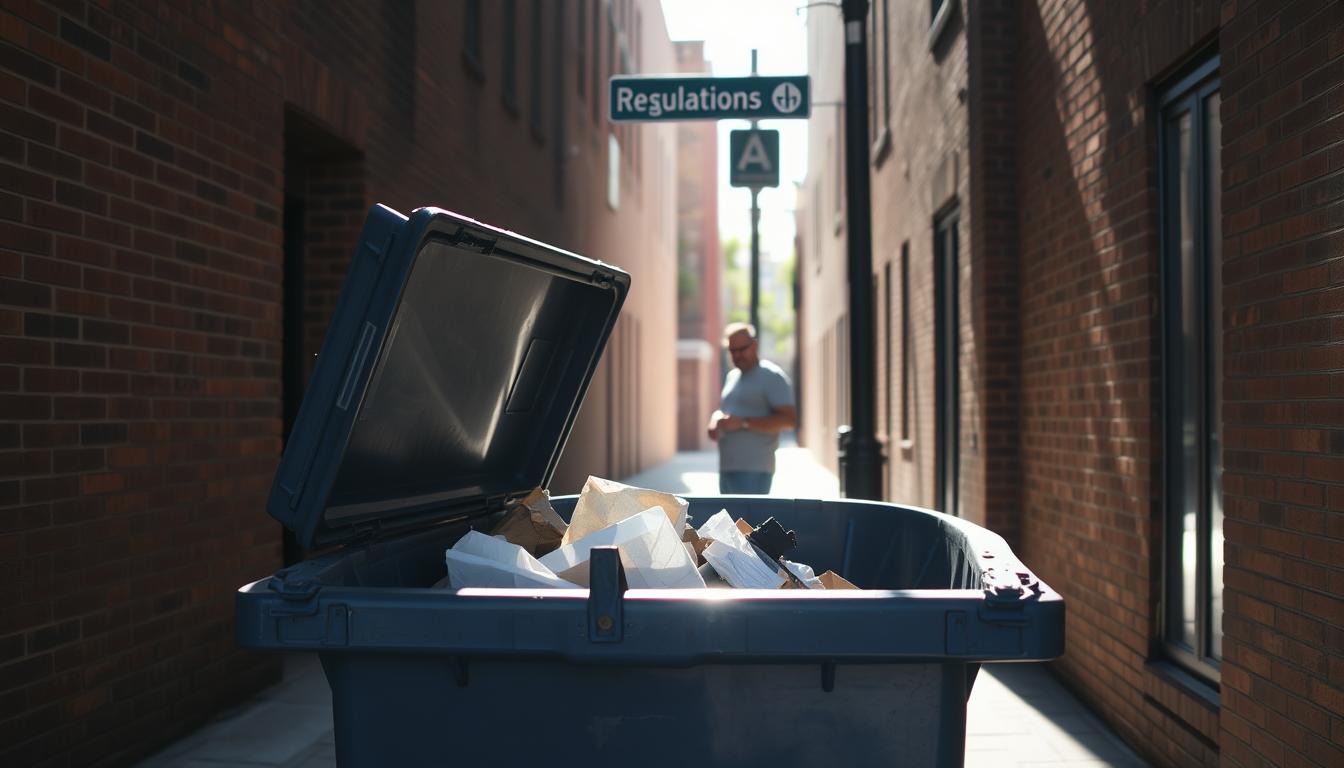
Is It Legal To Dumpster Dive In Maine? The answer depends on where you’re diving and how you go about it. Maine follows federal guidelines that generally allow dumpster diving on public property, but local ordinances and private property rules can change the game completely.
Understanding Maine’s specific laws helps you stay on the right side of legal boundaries while finding valuable items that would otherwise go to waste. Smart divers know that success comes from knowing both state regulations and local restrictions before making their first dive.
TL;DR
- Maine allows dumpster diving on public property under federal law, but trespassing on private property remains illegal with fines up to $500.
- Portland and Bangor have specific ordinances restricting dumpster access in commercial districts during business hours.
- You must avoid locked dumpsters and enclosed areas – breaking locks or climbing fences constitutes criminal activity punishable by law.
- Best legal diving times are early morning (5-7 AM) on public collection days when containers sit on public streets.
Is It Legal To Dumpster Dive In Maine
Maine operates under the 1988 Supreme Court case California v. Greenwood, which established that people have no reasonable expectation of privacy for trash placed in public areas. This federal ruling makes dumpster diving legal when containers sit on public property like streets or curbs.
However, the moment you step onto private property to access a dumpster, you’re trespassing under Maine Revised Statutes Title 17-A. Property owners can press charges that result in fines between $200-$500 for first-time offenders.
Where You Can Legally Dive
- Public streets – Containers placed for collection on public roads are fair game.
- Curb-side bins – Trash set out for pickup on public property falls under legal access.
- Public dumpsters – Municipal containers in parks or public buildings allow legal diving.
- Abandoned containers – Dumpsters clearly abandoned on public land with no ownership signs.
Off-Limits Areas
- Fenced enclosures – Any dumpster behind fencing requires property owner permission.
- Business parking lots – Private commercial property makes diving illegal without consent.
- Locked containers – Breaking locks constitutes criminal damage to property.
- Apartment complexes – Residential property dumpsters are typically off-limits to non-residents.
Local Ordinances and City-Specific Rules
Maine cities often add their own restrictions beyond state law. Portland prohibits dumpster diving in downtown commercial zones between 8 AM and 6 PM to reduce business disruptions.
Bangor requires divers to clean up any spilled materials and prohibits diving within 50 feet of restaurant entrances. These local rules carry separate fines ranging from $100-$300.
Major City Regulations
- Portland – No commercial area diving during business hours, $150 fine for violations.
- Lewiston – Requires permission for diving near residential complexes.
- Bangor – Cleanup requirements and distance restrictions from food establishments.
- Augusta – Prohibition on diving in state government building areas.
Legal Protection Tip
Always check local city websites or call non-emergency police lines to confirm current dumpster diving ordinances. Laws change frequently, and staying informed protects you from unexpected fines.
Best Practices for Legal Diving
Successful legal diving requires timing and location awareness. The safest approach focuses on early morning collection days when trash sits on public streets waiting for pickup trucks.
Avoid any situation requiring you to climb, break, or force entry. Getting started with proper techniques helps you identify legal opportunities while avoiding legal problems.
Legal Diving Checklist
- Verify location. Confirm the dumpster sits on public property or with owner permission.
- Check access. Look for locks, fencing, or no-trespassing signs before approaching.
- Time appropriately. Dive during legal hours as defined by local ordinances.
- Leave it clean. Clean up any materials you disturb during your search.
- Carry identification. Have ID ready in case law enforcement asks questions about your activities.
What to Do if Confronted
Property owners or security guards might approach you even when diving legally. Stay calm, explain you’re only accessing public property, and be prepared to leave immediately if asked.
Police encounters require polite cooperation and clear explanations of your legal right to access public trash. Following safety protocols includes knowing how to handle these situations professionally.
Interaction Guidelines
- Stay respectful – Hostile behavior escalates situations unnecessarily.
- Know your rights – Understand what’s legal versus what people think is legal.
- Leave when asked – Private property owners can always ask you to leave.
- Document location – Take photos showing public property access if needed.
Potential Legal Consequences
Maine’s penalties for illegal diving range from warnings to misdemeanor charges depending on circumstances. Trespassing violations typically result in $200-$500 fines for first offenses.
Repeat violations or additional charges like theft or property damage can escalate to Class E misdemeanors carrying up to 6 months in jail. Understanding these risks helps you make informed decisions about where and when to dive.
Articles You May Like
Frequently Asked Questions
Can I dumpster dive at Walmart in Maine?
Only if the dumpster sits on public property during collection times. Walmart’s private parking lots make most diving illegal without permission.
What happens if I get caught trespassing while diving?
First-time trespassing in Maine typically results in fines between $200-$500. Repeat offenses or additional charges can lead to misdemeanor convictions.
Are there better alternatives to dumpster diving in Maine?
Consider asking businesses directly for permission, checking sustainable living opportunities through official channels, or volunteering with food rescue organizations.
Can I take items from apartment dumpsters in Maine?
Generally no, since apartment complex dumpsters typically sit on private property. Check if containers are placed on public streets during collection days.
Do I need permission to dive in small Maine towns?
Even small towns may have specific ordinances. Contact local town halls or police departments to verify current regulations before diving.
Final Thoughts
Is It Legal To Dumpster Dive In Maine becomes much clearer when you understand the distinction between public and private property access. Focus on public collection areas during legal hours while respecting local ordinances.
Smart diving means knowing both your rights and the risks involved. Start by researching your specific city’s rules and always err on the side of caution when property boundaries seem unclear.