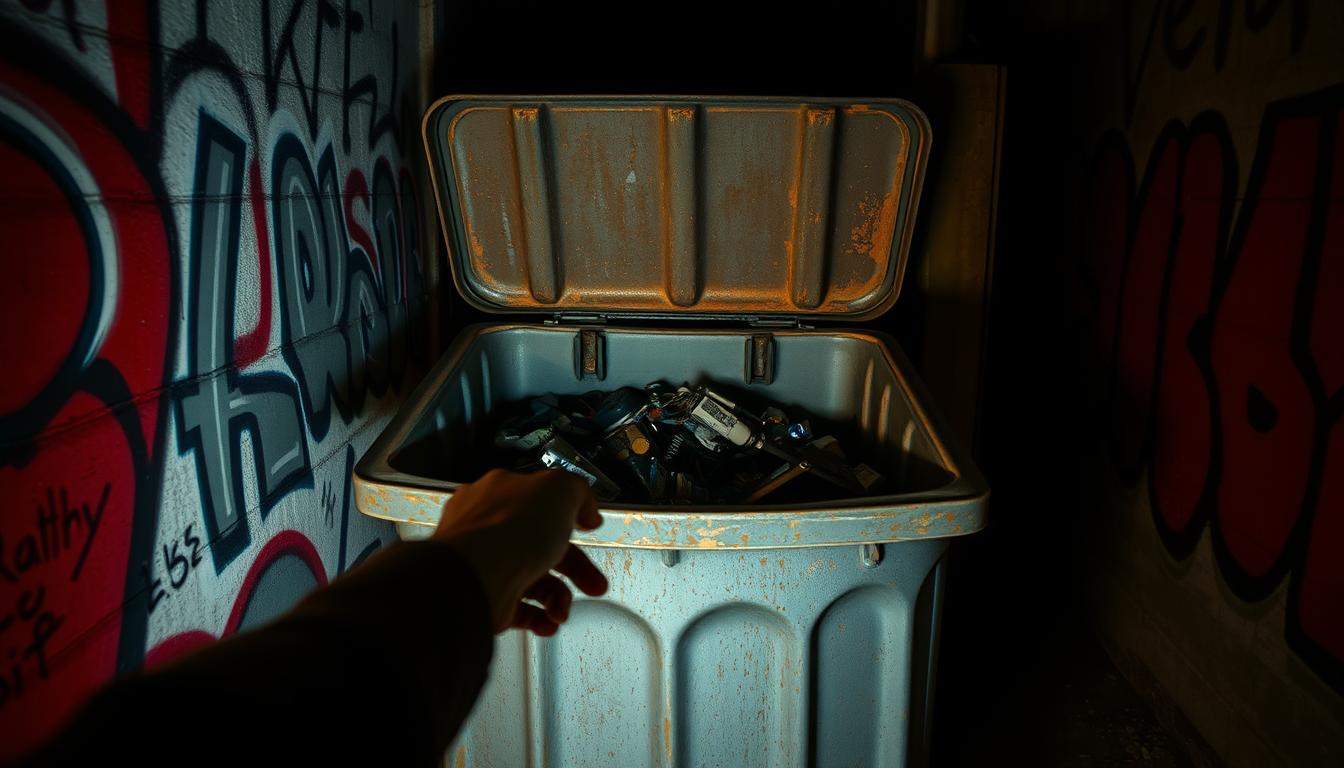
Is It Legal To Dumpster Dive In Massachusetts? The short answer is yes, but with important restrictions you need to know before you start. Massachusetts follows federal precedent that allows dumpster diving on public property, but private property rules and local ordinances can create legal problems if you’re not careful.
Understanding these laws helps you avoid trespassing charges while finding valuable items that stores and businesses throw away. Many successful dumpster divers in Massachusetts earn extra income by reselling electronics, clothing, and household goods they find legally.
TL;DR
- Dumpster diving is legal in Massachusetts on public property and public-accessible dumpsters, following the 1988 California v. Greenwood Supreme Court ruling.
- You cannot legally dive on private property without permission, which includes most retail stores, apartment complexes, and business parking lots.
- Local ordinances in cities like Boston and Worcester may prohibit scavenging or require permits, with fines ranging from $50-$300 for violations.
- Best legal spots include curbside trash on collection day, public dumpsters at parks or government buildings, and college campuses during move-out periods.
Is It Legal To Dumpster Dive In Massachusetts
Massachusetts state law doesn’t specifically ban dumpster diving, making it legal under certain conditions. The 1988 Supreme Court case California v. Greenwood established that once trash reaches a public area, people lose their reasonable expectation of privacy over those items.
This means you can legally search through dumpsters placed on public property or in public-accessible areas. However, the location of the dumpster determines whether your diving session stays legal or crosses into trespassing territory.
Where You Can Legally Dive
- Curbside trash – Bags and bins placed on public streets for collection are fair game once they leave private property.
- Public dumpsters – Containers at parks, government buildings, or public facilities where anyone can access them.
- College campuses – Many Massachusetts universities place dumpsters in publicly accessible areas, especially during move-out periods.
- Public right-of-ways – Dumpsters positioned on public land or sidewalks rather than private property.
Private Property Restrictions
Private property laws create the biggest legal hurdle for dumpster diving in Massachusetts. Most retail stores, restaurants, and businesses place their dumpsters on private property, making access illegal without permission.
Trespassing charges in Massachusetts can result in fines up to $100 for first offenses and potential jail time for repeat violations. Even if a dumpster sits behind a store with no visible “No Trespassing” signs, the parking lot and dumpster area typically remain private property.
High-Risk Private Locations
- Retail store dumpsters – Target, Walmart, and other major retailers keep dumpsters on private property with security cameras.
- Restaurant waste areas – Most food service dumpsters sit in employee-only areas behind buildings.
- Apartment complexes – Residential dumpsters usually require key card access or sit within gated communities.
- Business parks – Office buildings and warehouses typically place dumpsters in restricted access areas.
Local Ordinances and City Rules
Many Massachusetts cities have local ordinances that restrict or ban scavenging activities. These local laws can override state-level permissions, so checking your city’s specific rules prevents costly violations.
Boston prohibits scavenging from any trash containers without property owner permission. Worcester requires permits for any commercial scavenging activities and prohibits taking items from residential waste areas.
Common Local Restrictions
- Permit requirements. Some cities require licenses for any commercial scavenging or waste collection activities.
- Time restrictions. Many areas ban trash collection outside of normal business hours to prevent noise complaints.
- Quantity limits. Local laws may prohibit taking large amounts that could be considered commercial waste hauling.
- Cleanup requirements. Cities often require leaving areas cleaner than you found them to maintain public health standards.
Check Local Laws First
Call your city hall or check the municipal website for local scavenging ordinances before diving. Many cities post these rules online under “waste management” or “public health” sections.
Best Legal Diving Locations in Massachusetts
Finding consistently legal spots requires knowing which areas stay public and accessible. College towns like Cambridge and Amherst offer excellent opportunities during academic year transitions when students discard furniture and electronics.
Wealthy suburban neighborhoods often have the best curbside finds, especially during spring cleaning season or before major holidays. Items like furniture, appliances, and home goods frequently appear in these areas.
Cambridge and Boston Areas
- Harvard Square – High student turnover creates frequent curbside opportunities near campus housing.
- Back Bay – Affluent residents often discard high-quality furniture and household items.
- Beacon Hill – Historic neighborhood with frequent renovations leading to valuable construction materials and fixtures.
College Town Opportunities
- Amherst – Five college area with massive student move-outs in May and August.
- Northampton – Smith College area with frequent dorm cleanouts and apartment turnovers.
- Williamstown – Williams College creates opportunities during semester breaks and graduation.
Safety and Health Considerations
Massachusetts health regulations require proper handling of potentially contaminated materials found in dumpsters. Always wear gloves, long sleeves, and closed-toe shoes to protect against cuts, chemicals, and biological hazards.
Avoid diving in dumpsters that contain medical waste, chemicals, or spoiled food that could pose health risks. If you’re interested in learning more about staying safe while diving, check out our comprehensive guide on personal safety tips for dumpster divers.
What You Can and Cannot Take
Massachusetts law allows taking discarded items from legal diving locations, but certain materials remain off-limits regardless of where you find them. Understanding these restrictions prevents legal problems and health hazards.
Never take items marked as hazardous waste, prescription medications, or anything containing personal identification information. These materials require special disposal procedures and taking them can result in additional charges beyond trespassing.
Items to Avoid
- Medical waste – Needles, bandages, or any items from healthcare facilities require special handling.
- Chemical containers – Paint, cleaning products, and industrial chemicals pose health and environmental risks.
- Personal documents – Credit cards, IDs, and financial papers could lead to identity theft charges.
- Electronics with data – Hard drives and phones may contain private information that creates privacy law violations.
Articles You May Like
Frequently Asked Questions
Can I dumpster dive at Walmart in Massachusetts?
No, Walmart dumpsters sit on private property and accessing them without permission constitutes trespassing. The company also has security cameras and may prosecute violators.
What time of day is best for legal dumpster diving in Massachusetts?
Early morning on trash collection days offers the best legal opportunities when residents place items curbside. Avoid nighttime diving as it may violate local noise ordinances or appear suspicious to police.
Do I need permission to dive in apartment complex dumpsters?
Yes, apartment complex dumpsters typically require property manager permission since they sit on private property. Most complexes prohibit non-resident access to waste areas.
Can police stop me while dumpster diving legally in Massachusetts?
Police can approach and question you about your activities, but if you’re diving legally on public property, you’re not breaking any laws. Always cooperate and explain you’re staying within legal boundaries.
Are there fines for illegal dumpster diving in Massachusetts?
Yes, trespassing fines start at $100 for first offenses, with local ordinance violations adding $50-$300 depending on the city. Repeat offenses can result in higher fines and potential jail time.
Final Thoughts
Is It Legal To Dumpster Dive In Massachusetts depends entirely on location and local ordinances, but plenty of legal opportunities exist for those who do their research. Focus on curbside collections, public dumpsters, and college areas during move-out periods for the best legal finds.
Start by checking your local city ordinances and stick to clearly public areas to avoid trespassing charges. With proper planning and legal knowledge, Massachusetts offers excellent dumpster diving opportunities for extra income and valuable finds.