Is It Legal To Dumpster Dive In New Jersey? The answer depends on where you look and how you do it. New Jersey doesn’t have a specific state law banning dumpster diving, but local ordinances and property rights create a complex legal landscape that every diver needs to understand.
Understanding these rules protects you from trespassing charges and helps you find valuable items safely. Let’s break down what’s legal, what’s risky, and how to dive responsibly in the Garden State.
TL;DR
- New Jersey has no state law against dumpster diving, but trespassing on private property remains illegal statewide.
- Public areas like curbside trash pickup zones are generally safe for diving once garbage reaches the curb.
- Cities like Newark and Jersey City have local ordinances that can result in fines up to $500 for unauthorized trash collection.
- Always check with local police departments before diving – enforcement varies dramatically between municipalities.
Is It Legal To Dumpster Dive In New Jersey
New Jersey follows the federal “abandonment doctrine” established by the Supreme Court case California v. Greenwood. Once someone places trash at the curb for collection, they lose their reasonable expectation of privacy, making that trash legally accessible to the public.
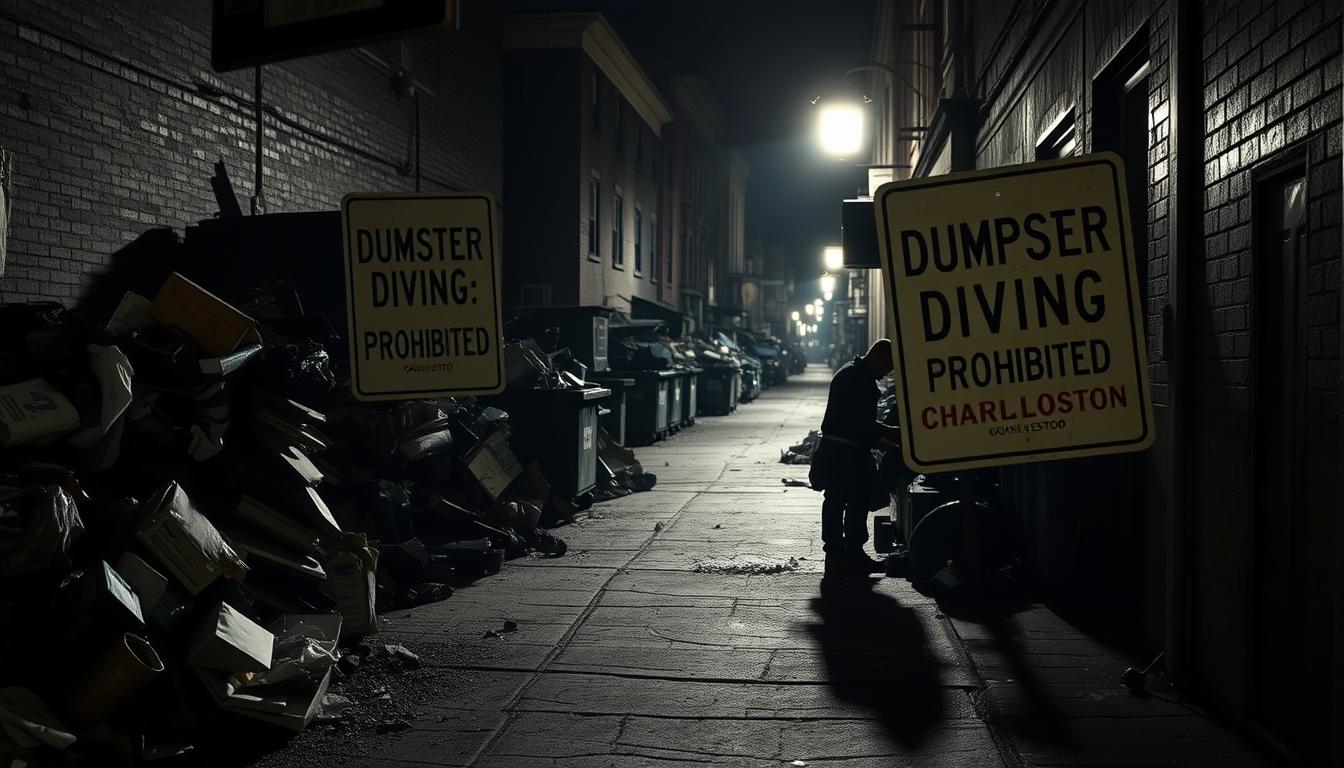
However, this rule only applies to truly public areas. Dumpsters on private property, behind fences, or marked with “No Trespassing” signs remain off-limits regardless of the abandonment doctrine.
State vs. Local Laws
While New Jersey state law doesn’t prohibit dumpster diving, individual cities and towns can create their own restrictions. These local ordinances often focus on preventing commercial scavenging or maintaining neighborhood cleanliness rather than targeting casual divers.
Some municipalities classify unauthorized trash collection as theft or littering, especially if you leave a mess behind. Others require permits for any form of scavenging, even on a small scale.
Where You Can Legally Dive
Public trash areas offer the safest legal options for New Jersey divers. Curbside pickup zones become fair game once homeowners place their garbage for collection, typically the night before or morning of pickup day.
Shopping centers and retail areas present more complex situations. Target stores and other major retailers usually keep dumpsters on private property, making access illegal without permission.
Safe Diving Locations
- Curbside residential areas – Legal once trash reaches the public right-of-way
- Public event cleanup sites – Often allowed with permission from event organizers
- College campus common areas – Check with campus security first
- Public park trash areas – Verify with local park authorities
Legal Risks and Penalties
Trespassing charges represent the biggest legal risk for New Jersey dumpster divers. This misdemeanor can result in fines up to $500 and up to 30 days in jail for first-time offenders.
Property damage charges can escalate penalties significantly. Breaking locks, cutting fences, or damaging dumpster enclosures transforms a simple trespassing case into criminal mischief charges that carry much steeper penalties.
Common Violations
- Criminal trespassing. Entering private property without permission, even if the dumpster seems accessible.
- Theft charges. Some municipalities classify taking discarded items as theft if done without property owner consent.
- Littering violations. Leaving trash scattered around dumpsters can result in fines ranging from $50 to $200.
- Disorderly conduct. Diving at inappropriate hours or creating disturbances in residential areas.
Know Your Local Laws
Call your local police non-emergency line before diving in a new area. Many officers appreciate divers who ask permission and follow guidelines rather than dealing with complaints later.
Municipal Variations
New Jersey’s 565 municipalities each set their own policies regarding dumpster diving. Urban areas like Newark and Trenton tend to have stricter enforcement due to commercial scavenging concerns, while rural townships often take a more relaxed approach.
Atlantic City explicitly prohibits unauthorized trash collection near the boardwalk and casino areas. Jersey City requires permits for any systematic scavenging operations, though they rarely enforce this rule for occasional divers.
High-Risk Areas
- Camden – Strict enforcement due to safety concerns in certain neighborhoods
- Hoboken – Limited dumpster access due to dense urban development
- Princeton – University town with active enforcement near campus areas
- Cape May – Tourist area restrictions during summer season
Best Practices for Legal Diving
Successful diving in New Jersey requires respecting property rights and local communities. Start your research by visiting beginner diving guides to understand proper techniques before heading out.
Always dive during daylight hours when possible, as nighttime activity raises suspicion and increases safety risks. Bring gloves, a flashlight, and bags for collecting items to maintain a professional appearance.
Legal Diving Checklist
- Verify public access. Confirm the dumpster sits on public property or in a publicly accessible area.
- Check local ordinances. Contact city hall or check municipal websites for specific diving restrictions.
- Respect “No Trespassing” signs. Never ignore posted warnings, even if the dumpster looks promising.
- Clean up after yourself. Leave the area cleaner than you found it to maintain good relationships with property owners.
- Document your research. Keep notes about which areas allow diving and which don’t to avoid repeat violations.
Safety and Community Relations
Building positive relationships with business owners and residents makes diving safer and more sustainable. Many store managers will grant permission for diving if you ask politely and explain that you’ll clean up any mess.
Consider the timing of your dives carefully. Nighttime diving might yield better finds but creates more legal and safety risks in New Jersey’s urban areas.
Articles You May Like
Frequently Asked Questions
Can I dumpster dive at Walmart in New Jersey?
Walmart dumpsters are typically on private property behind the store, making diving there illegal without permission. Contact the store manager if you want to dive legally at Walmart locations.
What happens if police catch me dumpster diving?
Police response varies by location and circumstances. If you’re on public property, they may just ask you to move along, but trespassing on private property can result in arrest and criminal charges.
Are there any items I cannot take from dumpsters?
Avoid taking anything with personal information, prescription medications, or items that clearly belong to specific individuals. Focus on genuinely discarded materials like packaging, food waste, or damaged merchandise.
Do I need permission to dive residential dumpsters?
Residential dumpsters on private property require permission from the property owner or management company. Curbside trash becomes fair game once placed for collection.
Final Thoughts
Is It Legal To Dumpster Dive In New Jersey comes down to location, timing, and respect for property rights. While state law doesn’t prohibit the practice, local ordinances and trespassing laws create boundaries that smart divers always respect.
Start with clearly public areas like curbside trash and build relationships with business owners who might grant permission for diving on their property. Research your local laws thoroughly and always prioritize safety over potential finds.