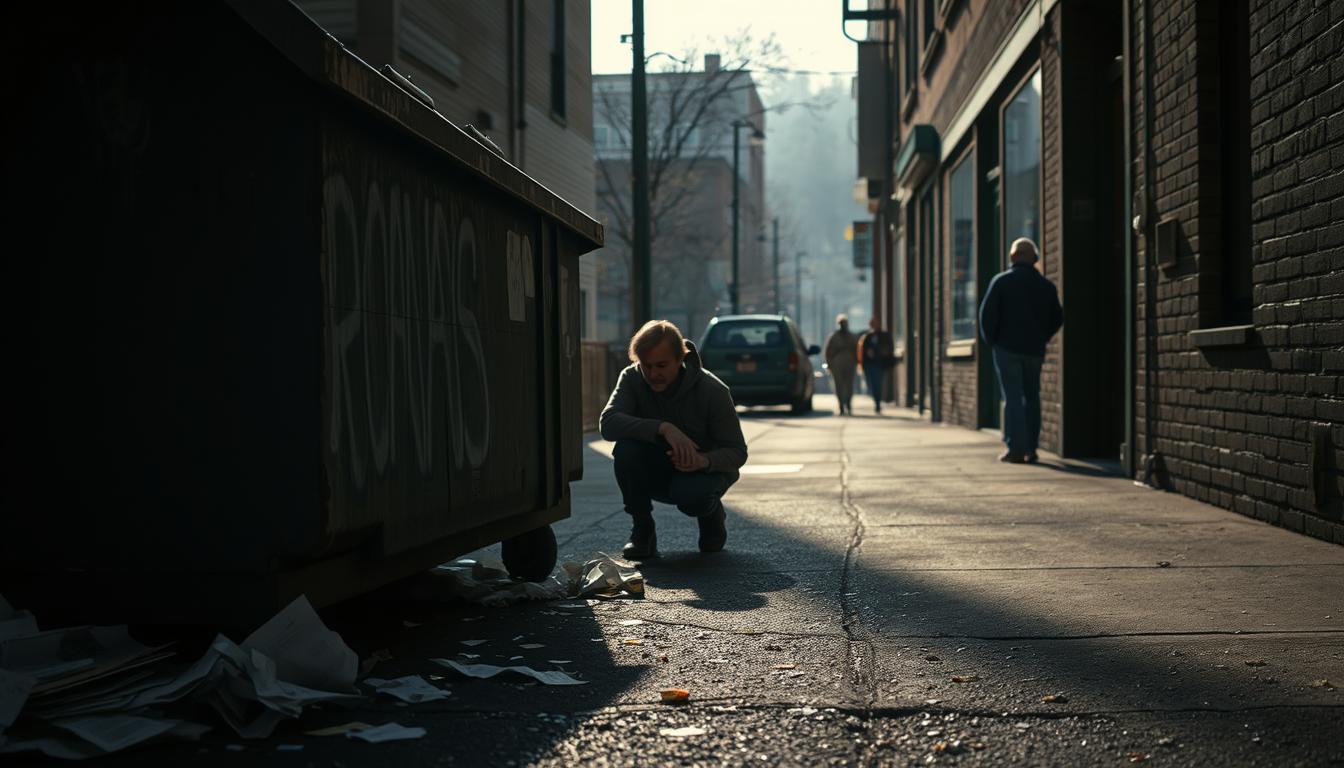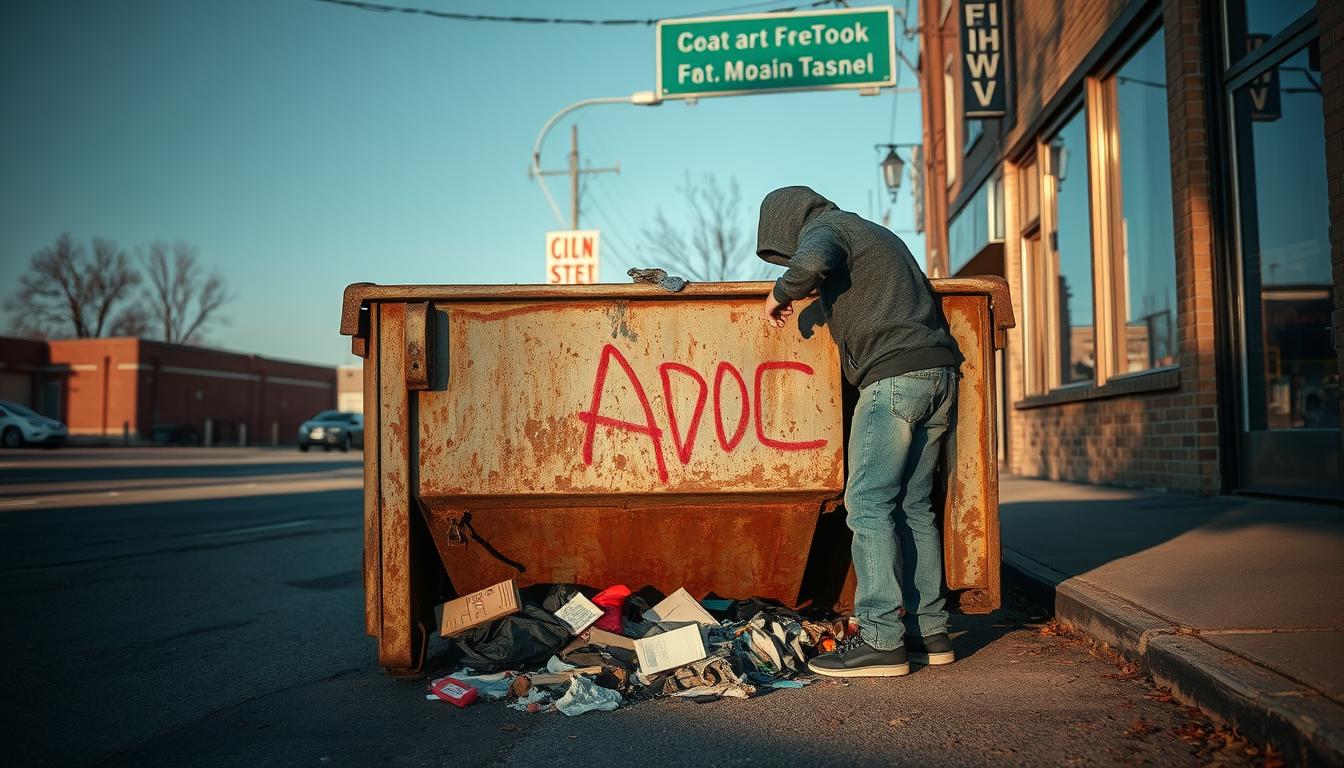
Is It Legal To Dumpster Dive In South Dakota is a question many resourceful residents ask when looking for ways to reduce waste or find useful items. South Dakota follows federal precedent set by California v. Greenwood, which means dumpster diving is generally legal on public property once trash reaches the curb. However, local ordinances and private property rules can create important exceptions you need to understand.
The legal landscape around dumpster diving involves both state and local regulations that vary by city and county. Understanding these rules helps you stay within legal boundaries while exploring this form of urban scavenging.
TL;DR
- Dumpster diving is legal in South Dakota on public property once trash hits the curb, following California v. Greenwood precedent.
- Trespassing laws apply strictly – stay off private property including business parking lots and residential areas.
- Cities like Sioux Falls and Rapid City may have specific ordinances prohibiting scavenging, with fines up to $500.
- Best legal spots include public trash areas, curbside pickup zones, and clearly public dumpsters near apartment complexes.
Is It Legal To Dumpster Dive In South Dakota
South Dakota state law doesn’t specifically prohibit dumpster diving, making it legal under most circumstances. The state follows the 1988 Supreme Court ruling in California v. Greenwood, which established that people have no reasonable expectation of privacy in trash placed for public collection.
This means once garbage reaches public areas like curbsides or public dumpsters, it’s considered abandoned property. You can legally search through and take items from these locations without breaking state law.
Federal Precedent in South Dakota
The California v. Greenwood decision applies nationwide, including South Dakota. This ruling determined that constitutional protections don’t extend to discarded trash in public areas.
However, this federal precedent only covers the basic legality of searching trash. It doesn’t override local trespassing laws, municipal ordinances, or private property rights that can still restrict your activities.
Local Ordinances and City Rules
Many South Dakota cities have enacted specific ordinances that can override state-level permissions. These local laws often target scavenging activities to address public health concerns or property disputes.
Sioux Falls, for example, has municipal codes that restrict removing items from trash containers. Rapid City has similar regulations that can result in fines for unauthorized scavenging activities.
Common Municipal Restrictions
- Scavenging prohibitions – Many cities ban removing items from public trash receptacles or dumpsters.
- Health department rules – Regulations preventing contamination risks from handling discarded materials.
- Noise ordinances – Restrictions on nighttime activities that could disturb residents.
- Littering penalties – Requirements to clean up any mess created during diving activities.
Private Property and Trespassing Laws
Trespassing remains illegal throughout South Dakota, regardless of dumpster diving intentions. This means you cannot enter private property to access dumpsters, even if the trash itself would be legal to search.
Business parking lots, residential driveways, and enclosed dumpster areas are all considered private property. Entering these areas without permission can result in trespassing charges, regardless of whether you actually take anything.
Where Trespassing Applies
- Business premises. Any commercial property including parking areas and dumpster enclosures requires permission to access.
- Residential property. Private homes, apartments, and their surrounding areas are off-limits without explicit consent.
- Gated areas. Any location behind gates, fences, or marked boundaries indicates restricted access.
- Posted areas. Properties with “No Trespassing” or similar signage carry legal weight and clear intent.
Stay on Public Ground
Always verify you’re standing on public property before diving. If you need to step onto private property to reach a dumpster, find a different location instead.
Safe and Legal Locations
Finding appropriate locations requires understanding where public property ends and private property begins. Focus on areas where trash collection occurs on clearly public land.
Curbside pickup areas offer the safest legal option since homeowners place trash on public easements for collection. Scouting the best dumpster locations helps you identify productive spots while staying within legal boundaries.
Best Legal Options
- Curbside collection areas – Residential trash placed on public streets for pickup.
- Public dumpsters – Containers clearly located on public property like parks or government buildings.
- Apartment complex edges – Dumpsters positioned at property lines accessible from public sidewalks.
- College campus areas – Public universities often have accessible disposal areas during move-out periods.
Enforcement and Penalties
Law enforcement in South Dakota typically focuses on trespassing rather than the act of dumpster diving itself. Police are more likely to respond to complaints about suspicious behavior or property violations than simple scavenging.
Penalties vary by jurisdiction but commonly include fines ranging from $50 to $500 for municipal violations. Trespassing charges carry more serious consequences including potential jail time depending on circumstances.
How to Avoid Legal Issues
Following basic guidelines helps you stay within legal boundaries while dumpster diving. Personal safety tips for dumpster divers include legal considerations alongside physical safety measures.
Always research local ordinances before diving in new cities or counties. Contact city halls or check municipal websites for specific regulations in your target areas.
Articles You May Like
Frequently Asked Questions
Is dumpster diving legal in Sioux Falls?
Sioux Falls has municipal ordinances that restrict scavenging from trash containers, making dumpster diving potentially illegal depending on the specific location and circumstances.
Can I get arrested for dumpster diving in South Dakota?
You’re more likely to face trespassing charges than arrests specifically for dumpster diving, especially if you stay on public property and follow local ordinances.
Do I need permission to dumpster dive behind businesses?
Yes, business dumpsters are typically on private property, requiring explicit permission from property owners to access legally.
What happens if police catch me dumpster diving?
Police will likely ask you to leave if you’re on private property, and may issue citations for municipal violations or trespassing depending on the circumstances.
Are there any South Dakota cities where dumpster diving is completely banned?
Many cities have ordinances restricting scavenging activities, though complete bans are less common than specific location-based restrictions.
Final Thoughts
Is It Legal To Dumpster Dive In South Dakota depends heavily on location, local ordinances, and property boundaries. While state law generally permits the practice on public property, municipal rules and trespassing laws create important limitations you must understand.
Research local regulations thoroughly and always prioritize staying on public property to avoid legal complications while exploring this sustainable practice.