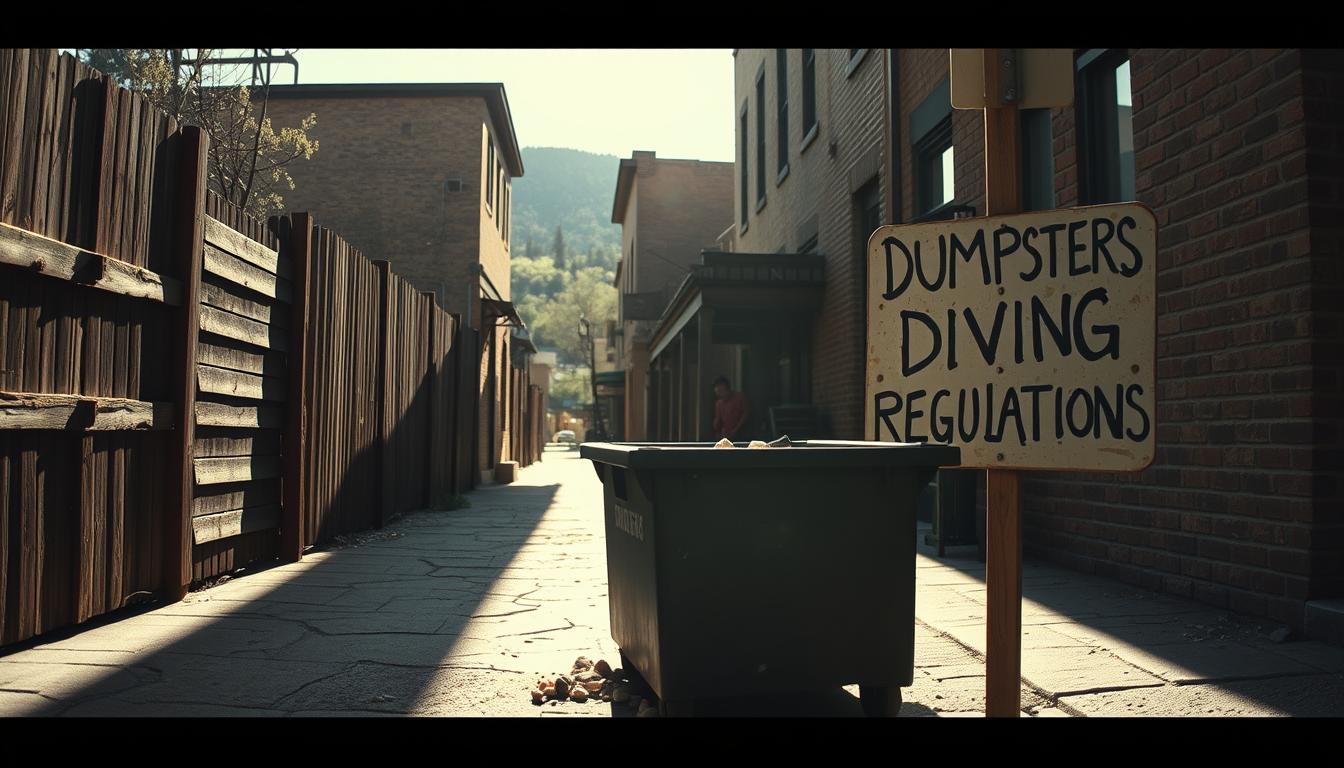
Is It Legal To Dumpster Dive In Tennessee? The answer depends on several factors including local ordinances, property ownership, and how you access the dumpsters. Tennessee state law doesn’t specifically prohibit dumpster diving, but various local and federal regulations can still apply.
Understanding the legal landscape helps you avoid trouble while exploring this money-saving practice. Most successful dumpster divers in Tennessee follow specific guidelines to stay within legal boundaries.
TL;DR
- Tennessee has no state law banning dumpster diving, but local city ordinances may restrict the practice in specific areas.
- Dumpsters on private property require owner permission – diving without consent counts as trespassing under Tennessee Code 39-14-405.
- Public right-of-way dumpsters are generally legal to access, but check for posted signs or local restrictions first.
- Memphis, Nashville, and Knoxville each have different local rules – always verify your city’s specific ordinances before diving.
Is It Legal To Dumpster Dive In Tennessee
Tennessee operates under the “abandonment theory” for trash disposal, meaning items placed in dumpsters are generally considered abandoned property. This creates a legal gray area where dumpster diving isn’t explicitly illegal at the state level, but other laws can still apply.
The key factor is location and access method. Your first dive should focus on understanding these legal boundaries before you start collecting items.
Tennessee State Laws That Apply
Several state laws indirectly affect dumpster diving activities. Tennessee Code 39-14-405 covers criminal trespass, which applies when you enter private property to access dumpsters without permission.
The state also enforces littering laws under Tennessee Code 39-14-503 if you scatter trash while diving. Additionally, theft laws may apply if you take items from dumpsters that haven’t been properly abandoned or are marked as private property.
Trespassing Considerations
- Private Property Access – Entering fenced areas, parking lots, or marked private zones without permission violates trespassing laws.
- Business Hours – Some businesses allow access during certain hours but restrict it during others.
- Posted Signs – “No Trespassing” or “Private Property” signs create clear legal boundaries regardless of dumpster location.
- Locked Areas – Breaking locks or climbing fences to reach dumpsters clearly violates state law.
Local Ordinances Across Tennessee Cities
Major Tennessee cities have different approaches to regulating dumpster diving. Memphis prohibits scavenging in certain commercial districts, while Nashville focuses on health and safety regulations rather than outright bans.
Knoxville allows dumpster diving on public property but restricts access to private commercial dumpsters. Smaller cities often defer to county regulations or have no specific rules at all.
Memphis Regulations
Memphis Municipal Code Section 11-8-1 restricts scavenging in designated commercial zones downtown. The city also requires permits for large-scale salvage operations that might include regular dumpster diving routes.
However, residential area dumpsters and public right-of-way containers remain accessible under normal trespassing and littering rules. Scouting the best dumpster locations becomes especially important in Memphis due to these zone restrictions.
Nashville and Davidson County Rules
Nashville-Davidson County focuses on health department regulations rather than specific dumpster diving bans. The city requires anyone regularly collecting discarded items to follow sanitation guidelines, especially for food-related materials.
Commercial waste collection areas often have restricted access during business hours. Residential neighborhoods generally allow dumpster diving as long as you don’t create disturbances or scatter debris.
Know Your Local Laws First
Contact your city clerk’s office or check municipal websites before diving in any Tennessee city. Local ordinances change frequently and vary significantly between neighboring communities.
Safe and Legal Dumpster Diving Practices
Following proper procedures keeps you within legal boundaries while maximizing your finds. Always approach dumpsters from public areas like sidewalks or streets rather than crossing private property.
Timing matters for both safety and legality. Most businesses place dumpsters for collection on specific days, making items truly abandoned rather than temporarily stored.
Best Practices for Tennessee Divers
- Check Property Lines. Use public sidewalks and streets to access dumpsters whenever possible to avoid trespassing issues.
- Respect Business Hours. Avoid diving during active business operations to prevent conflicts and potential trespassing claims.
- Clean Up After Yourself. Leave areas cleaner than you found them to avoid littering violations and maintain good relationships.
- Document Permissions. Get written permission for regular diving at specific locations to establish clear legal access.
- Follow Collection Schedules. Focus on recently placed dumpsters rather than items sitting for extended periods.
What Items Are Safe to Take
Tennessee law provides more clarity on what constitutes truly abandoned property versus items that might still have ownership claims. Focus on obviously discarded items like packaging materials, expired products, or clearly broken goods.
Avoid anything that appears to have been accidentally discarded or contains personal information. Personal safety tips for dumpster divers include both legal and physical protection strategies.
Items to Avoid
- Personal Documents – Social security cards, bank statements, or identification materials remain protected even when discarded.
- Medical Waste – Healthcare facilities have specific disposal requirements that create ongoing ownership claims.
- Hazardous Materials – Chemicals, batteries, or toxic substances have special disposal laws that supersede abandonment theories.
- Valuable Electronics – Computers, phones, or expensive equipment might be temporarily stored rather than permanently discarded.
Interactions with Law Enforcement
Tennessee police generally focus on trespassing and disturbance issues rather than the act of dumpster diving itself. Cooperation and respectful communication usually resolve most encounters without citations.
Knowing your rights helps during any police interaction. You’re not required to explain what you’re looking for, but being honest about your activities often defuses tension.
How to Handle Police Contact
- Stay Calm and Polite – Hostile behavior escalates situations that might otherwise end with warnings.
- Know Your Location – Be able to explain whether you’re on public or private property and how you accessed the area.
- Have Identification Ready – Refusing to identify yourself can create additional legal complications in Tennessee.
- Don’t Argue Laws – Officers make decisions based on immediate circumstances; legal arguments belong in court if citations are issued.
Most police encounters result from neighbor complaints about noise or suspicious activity rather than the dumpster diving itself. Nighttime vs. daytime dumpster diving considerations include visibility and community relations factors.
Articles You May Like
Frequently Asked Questions
Can I get arrested for dumpster diving in Tennessee?
Arrests typically happen for trespassing or disturbing the peace rather than dumpster diving itself. Staying on public property and following local ordinances minimizes legal risks.
Do I need permission to dive in apartment complex dumpsters?
Yes, apartment complex dumpsters are usually on private property requiring explicit permission from property management or owners before accessing them legally.
Are there specific times when dumpster diving is illegal in Tennessee?
No statewide time restrictions exist, but some cities prohibit nighttime scavenging or restrict access during certain business hours in commercial zones.
Can businesses ban me from their dumpsters specifically?
Yes, private businesses can post signs or verbally prohibit access to their dumpsters, creating trespassing liability if you continue diving there.
What should I do if someone challenges my right to dumpster dive?
Leave immediately if asked by property owners or authorized representatives. Legal disputes over access rights are better resolved through proper channels than confrontation.
Final Thoughts
Is It Legal To Dumpster Dive In Tennessee depends largely on where and how you conduct your activities rather than the practice itself. State law provides a foundation for legal diving, but local ordinances and property rights create the real boundaries.
Start with public locations and clear access routes to build experience while staying within legal limits. The art of dumpster diving includes understanding both the legal and practical aspects that make this activity sustainable long-term.