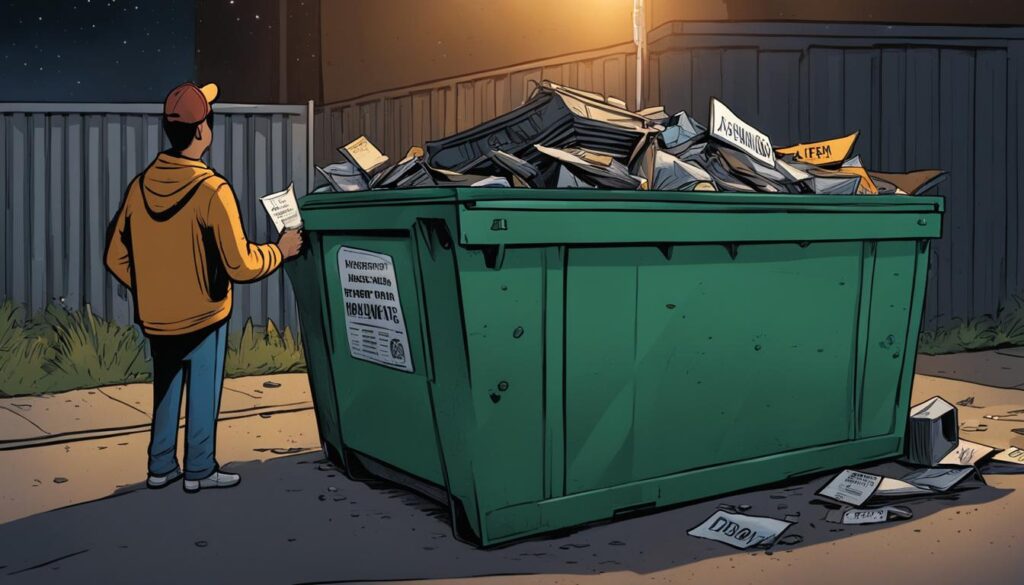
Is It Legal To Dumpster Dive In Texas? The answer isn’t as straightforward as you might think. While Texas doesn’t have specific state laws banning dumpster diving, local ordinances and property laws create a complex legal landscape that varies by city and county.
Understanding the legal boundaries is essential before you start exploring what others have thrown away. Most successful dumpster divers in Texas know that staying informed about local regulations keeps them on the right side of the law while pursuing this money-saving hobby.
TL;DR
- Texas has no state law prohibiting dumpster diving, but cities like Austin and Houston have local ordinances that restrict it.
- Private property rules apply – diving on someone else’s property without permission can result in trespassing charges.
- Public dumpsters on city property are generally safer legally, but check local municipal codes first.
- The 1988 Supreme Court case California v. Greenwood established that trash loses constitutional protection once placed for collection.
Is It Legal To Dumpster Dive In Texas
Texas state law doesn’t specifically prohibit dumpster diving, which means it falls into a legal gray area governed by local municipalities. The key factor is where the dumpster sits and who owns the property surrounding it.
Private property laws take precedence over any perceived right to access discarded items. If a dumpster sits on private property – behind a store, in a gated apartment complex, or within a business’s parking lot – accessing it without permission constitutes trespassing under Texas Penal Code Section 30.05.
Supreme Court Precedent
The 1988 Supreme Court ruling in California v. Greenwood established that people have no reasonable expectation of privacy in trash left for collection. However, this ruling doesn’t override property rights or local ordinances that may restrict access to dumpsters.
This precedent means that once trash reaches a public collection area, it’s generally considered abandoned property. The challenge lies in determining what constitutes a truly public area versus private property.
City-Specific Regulations Across Texas
Major Texas cities have enacted their own rules regarding dumpster diving, creating a patchwork of local regulations. These ordinances often focus on public health, safety, and property rights rather than explicitly banning the practice.
Austin
Austin Municipal Code prohibits scavenging from solid waste containers on private property without permission. The city also restricts disturbing waste containers that have been placed for collection, even on public property.
Violating these ordinances can result in fines ranging from $200 to $500 for first-time offenders. Repeat violations may lead to higher fines and potential criminal charges.
Houston
Houston’s Code of Ordinances makes it illegal to disturb or remove materials from waste containers without the owner’s consent. The city treats this as a Class C misdemeanor, punishable by fines up to $500.
Houston also has specific rules about commercial waste containers, requiring written permission from the waste management company or property owner before accessing contents.
Dallas
Dallas prohibits removing items from containers placed for collection without permission from the waste collection service or property owner. The city emphasizes that this applies to both residential and commercial waste containers.
Dallas police have discretion in enforcing these rules, often focusing on situations involving property damage or public disturbances rather than quiet, respectful diving.
San Antonio
San Antonio’s municipal code addresses scavenging through its solid waste management regulations. The city prohibits unauthorized removal of recyclables and solid waste from containers placed for collection.
First-time violations typically result in warnings, while subsequent offenses can lead to fines between $100 and $300.
Stay Legal and Safe
Always check your local city’s municipal code before diving, as regulations change frequently. When in doubt, stick to clearly public areas and avoid any property that appears privately owned.
Property Rights and Trespassing Laws
Understanding property boundaries is crucial for legal dumpster diving in Texas. Trespassing laws are strictly enforced, and ignorance of property lines won’t protect you from criminal charges.
Private property includes parking lots, driveways, and areas behind businesses even if they seem accessible to the public. Many retail stores and apartment complexes place dumpsters in areas that technically remain private property, making access without permission illegal.
Identifying Public vs Private Property
Public property typically includes city streets, sidewalks, and municipal buildings. Dumpsters placed directly on public right-of-ways during collection times are generally accessible, but local ordinances may still apply.
Look for “No Trespassing” signs, fences, gates, or other barriers that indicate private property. When dumpsters sit behind these markers, accessing them without permission violates trespassing laws regardless of local diving ordinances.
Commercial Property Considerations
Business owners often have explicit policies prohibiting dumpster diving on their property. These policies exist for liability reasons – injuries occurring on private property can result in costly lawsuits.
Many businesses hire private security or install cameras specifically to deter diving. Getting caught can result in trespassing charges and potential lifetime bans from the property.
Best Practices for Legal Diving
Following established best practices keeps you within legal boundaries while maximizing your finds efficiency. These guidelines help avoid legal troubles and maintain positive relationships with property owners.
- Research local laws – Check municipal codes before diving in any new area.
- Stick to public property – Focus on dumpsters clearly located on city property.
- Time your visits – Dive during collection times when containers sit on public right-of-ways.
- Ask permission – When possible, request permission from property owners or managers.
- Leave no trace – Clean up after yourself and don’t scatter trash around containers.
- Respect boundaries – Never climb fences, break locks, or ignore “No Trespassing” signs.
Building Relationships with Property Owners
Many successful divers build positive relationships with business owners and managers. Approaching them respectfully and explaining your interests often results in permission to dive during specific times.
Some businesses appreciate divers who help reduce their waste disposal costs by removing usable items. Others may allow diving in exchange for keeping their dumpster areas clean and organized.
Potential Legal Consequences
Violating dumpster diving laws in Texas can result in various penalties depending on the specific violation and local enforcement policies. Understanding these consequences helps you make informed decisions about where and when to dive.
Trespassing Charges
Criminal trespass in Texas is typically a Class B misdemeanor, punishable by up to 180 days in jail and fines up to $2,000. Repeat offenses or trespassing with intent to commit other crimes can result in felony charges.
Most first-time trespassing violations for dumpster diving result in warnings or minimal fines, especially if no property damage occurred and you cooperated with law enforcement.
Municipal Violations
Local ordinance violations usually carry lighter penalties than criminal charges. Most cities impose fines ranging from $100 to $500 for first-time offenses, with repeat violations resulting in higher penalties.
These violations typically don’t result in jail time but can accumulate on your record if you repeatedly violate the same ordinances in the same jurisdiction.
Additional Considerations
Some diving activities may violate other laws beyond trespassing or municipal codes. These include theft if you take items with clear ownership, vandalism if you damage property while diving, or public disturbance if your activities disrupt neighbors.
Commercial dumpsters sometimes contain business documents or materials covered by privacy laws. Taking items containing personal information or proprietary business data can result in additional legal complications.
Safe and Legal Alternatives
If local laws restrict dumpster diving in your area, several legal alternatives can help you find discarded treasures while staying within the law. These options often provide better finds with less legal risk.
- Curbside collection days – Items placed on public curbs for collection are generally fair game.
- Bulk trash days – Many cities designate specific days for large item disposal with relaxed collection rules.
- Estate sales and garage sales – End-of-sale negotiations often result in heavily discounted or free items.
- Facebook Marketplace “free” sections – People regularly offer usable items at no cost.
- Freecycle networks – Community groups dedicated to giving away unwanted items.
These alternatives often provide better quality items than traditional diving while eliminating legal concerns about property rights and local ordinances.
Articles You May Like
Frequently Asked Questions
Can I dumpster dive at Walmart in Texas?
No, Walmart parking lots and dumpster areas are private property, making diving there illegal trespassing. Most major retailers have explicit policies prohibiting dumpster diving and may prosecute violators.
What time of day is best for legal dumpster diving?
Early morning during trash collection times is generally safest legally, as containers often sit on public right-of-ways temporarily. Check your local collection schedule and municipal codes for specific timing rules.
Do I need permission to dive in apartment complex dumpsters?
Yes, apartment complex dumpsters typically sit on private property requiring permission from management. Many complexes prohibit diving due to liability concerns and tenant privacy issues.
Can police arrest me for dumpster diving in Texas?
Police can arrest you for trespassing if you dive on private property without permission, but diving itself isn’t a crime under state law. Most encounters result in warnings unless you’re on clearly marked private property.
Are construction site dumpsters legal to dive in Texas?
Construction site dumpsters are typically on private property and often contain hazardous materials, making diving both illegal and dangerous. Most construction companies explicitly prohibit public access to their waste containers.
Final Thoughts
Is It Legal To Dumpster Dive In Texas depends heavily on your specific location and the property where dumpsters sit. While state law doesn’t ban the practice, local ordinances and property rights create significant legal barriers in most areas.
Success comes from understanding your local laws, respecting property rights, and choosing the right locations for your diving activities. When in doubt, explore the many legal alternatives that can provide similar benefits without the legal risks.