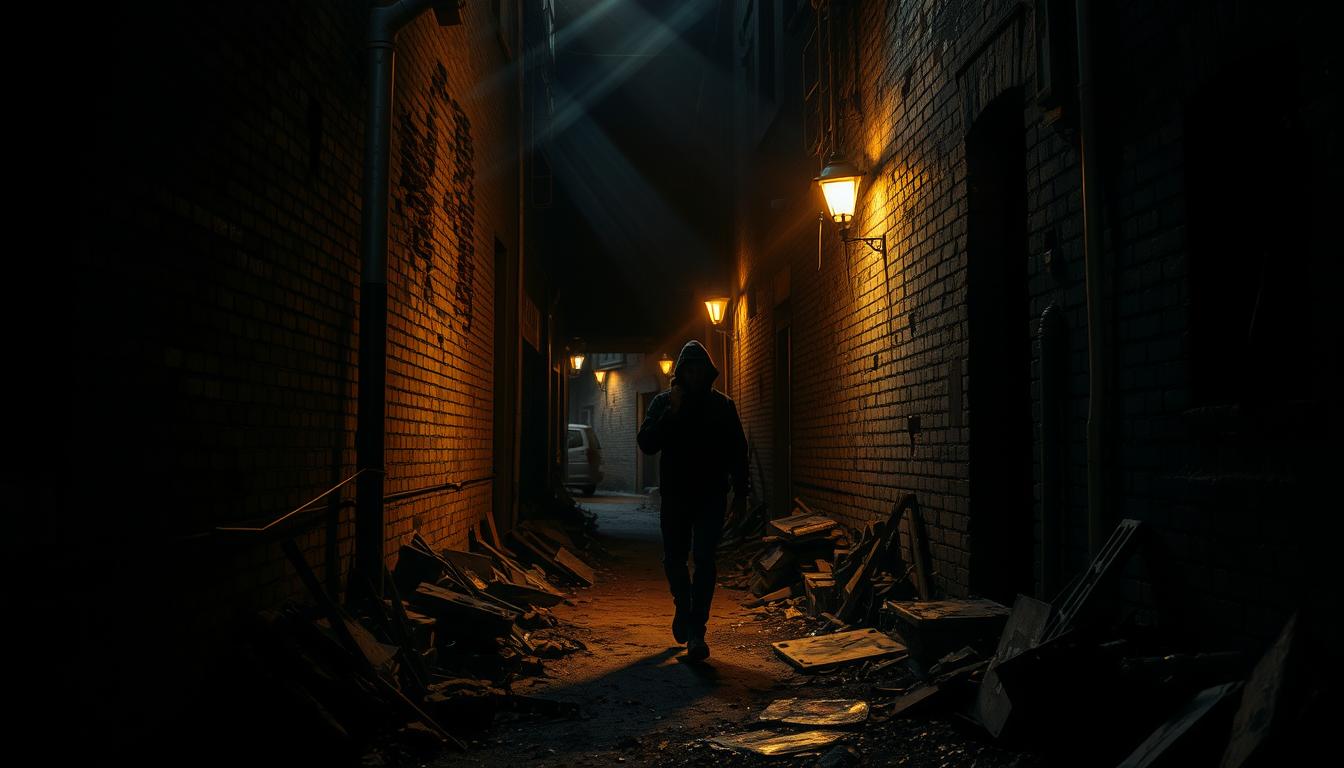
Nighttime Vs Daytime Dumpster Diving presents unique advantages and challenges that every scavenger should understand before heading out. The time you choose for your diving adventures can dramatically impact your safety, success rate, and overall experience.
Most experienced divers have strong preferences for either dawn raids or midnight missions. Each approach offers distinct benefits depending on your goals, local laws, and personal comfort level with different environments.
TL;DR
- Nighttime diving offers 75% less foot traffic and store employee interference but increases safety risks and visibility challenges.
- Daytime diving provides better item visibility and safer conditions but comes with higher chances of confrontation and legal issues.
- Most successful finds happen within 2-4 hours after stores close when fresh discards are placed but before overnight cleanup crews arrive.
- Dawn diving (5-7 AM) combines low foot traffic with natural lighting for optimal safety and success rates.
Nighttime Vs Daytime Dumpster Diving: Core Differences
The fundamental difference between night and day diving comes down to visibility versus privacy. Nighttime offers cover from prying eyes but limits your ability to properly inspect items and assess safety hazards.
Daytime diving gives you clear sight lines and better awareness of your surroundings. However, you’ll face more potential interruptions from store employees, security guards, and curious passersby who might question your activities.
Advantages of Nighttime Dumpster Diving
Night diving provides several key benefits that make it attractive to many scavengers. The reduced visibility works both ways – while you can’t see as clearly, others can’t easily spot you either.
Privacy and Discretion
Fewer people are around during late evening and early morning hours. This reduced foot traffic means less chance of uncomfortable encounters with store employees or security personnel who might ask you to leave.
- Lower detection risk – Darkness provides natural camouflage from passing cars and pedestrians.
- Reduced confrontations – Most retail staff have gone home, eliminating workplace policy enforcement.
- Peaceful environment – Quieter surroundings let you focus on your search without distractions.
- Less competition – Other divers often avoid night hours, leaving better pickings available.
Fresh Discards
Many stores dispose of items after closing time, meaning night divers often get first access to newly discarded merchandise. Building a consistent routine around store closing times can maximize your chances of finding valuable items.
Disadvantages of Nighttime Diving
The cover of darkness brings significant safety and practical challenges that every night diver must acknowledge. Poor lighting conditions create hazards that simply don’t exist during daylight hours.
Safety Concerns
Limited visibility increases your risk of injury from sharp objects, unstable surfaces, or hazardous materials you can’t properly identify. You’re also more vulnerable to criminal activity in poorly lit areas.
- Poor visibility – Flashlights only illuminate small areas, making it easy to miss dangers.
- Increased crime risk – Deserted commercial areas can attract criminal activity after dark.
- Emergency response delays – If you get injured, help may be farther away during off hours.
- Weather challenges – Cold, wet conditions are harder to manage in darkness.
Legal and Practical Issues
Some locations have increased security patrols during night hours, and being spotted by law enforcement can lead to more serious questioning. Additionally, many areas have curfew laws or loitering restrictions that could complicate your activities.
Night Diving Safety Tip
Always bring two reliable light sources and wear reflective gear when diving near roads. Let someone know your planned route and expected return time for added safety.
Benefits of Daytime Dumpster Diving
Diving during daylight hours offers practical advantages that many beginners find more comfortable and manageable. The ability to clearly see what you’re doing cannot be overstated when it comes to both safety and success.
Enhanced Safety and Visibility
Natural lighting allows you to properly assess your environment and identify potential hazards before they become problems. You can spot broken glass, sharp metal edges, or unstable footing that might be invisible in darkness.
- Clear hazard identification – Sunlight reveals dangers you might miss with artificial lighting.
- Better item assessment – Full visibility lets you properly evaluate finds before handling them.
- Easier navigation – You can move more confidently around dumpsters and parking areas.
- Weather awareness – Daylight helps you better judge changing weather conditions.
Social Acceptability
While still not completely mainstream, daytime diving appears less suspicious to casual observers. People are more likely to assume you’re doing legitimate work or cleaning rather than “sneaking around” after dark.
Drawbacks of Daytime Diving
The visibility that makes daytime diving safer also makes it more conspicuous to others. This increased exposure brings its own set of challenges that can impact your diving success.
Higher Confrontation Risk
Store employees, security guards, and managers are all present during business hours and may approach you about your activities. Even when dumpster diving is legal, private property owners can ask you to leave.
- Employee interference – Store staff may try to stop you even when you’re not breaking laws.
- Security attention – Guards often patrol more actively during business hours.
- Customer complaints – Shoppers might report your presence to store management.
- Police calls – Higher visibility increases chances someone will call authorities.
Competition and Timing Issues
Other divers also prefer daylight hours, creating more competition for quality finds. Additionally, you’re working around store schedules when dumpsters may not have been restocked with fresh discards.
Strategic Timing Considerations
The most successful divers often combine elements of both approaches by targeting specific time windows that offer optimal conditions. Understanding when stores discard items and when cleanup crews work helps you time your visits perfectly.
Dawn Diving Strategy
Many experienced scavengers swear by early morning hours between 5-7 AM. This timeframe offers the privacy benefits of night diving while providing enough natural light for safe operation.
- Scout locations during day. Identify prime spots when you can see clearly and note any security measures.
- Time store schedules. Learn when different businesses close and when they typically put out trash.
- Monitor cleanup patterns. Figure out when maintenance crews empty dumpsters to avoid arriving too late.
- Plan efficient routes. Map out multiple locations you can hit during your optimal time window.
Seasonal Adjustments
Your timing strategy should adapt to changing daylight hours throughout the year. Seasonal considerations include sunrise and sunset times, weather patterns, and holiday schedules that affect both store operations and competition levels.
Location-Specific Factors
Different types of locations may favor either daytime or nighttime approaches depending on their specific characteristics and surrounding environment. Urban areas with heavy foot traffic require different strategies than suburban strip malls.
Retail Centers and Shopping Plazas
Large retail locations often have security cameras and regular patrols, making daytime diving with proper safety precautions sometimes more acceptable than suspicious nighttime activity.
Residential Areas
Apartment complexes and residential developments typically work better with early morning approaches when residents are getting ready for work but there’s still enough light to work safely.
Articles You May Like
Frequently Asked Questions
What time of day has the least legal risk for dumpster diving?
Early morning hours (5-8 AM) typically have the lowest legal risk since you’re visible to police but most businesses aren’t open yet to complain. Avoid late night hours when loitering laws might apply.
Is it safer to dumpster dive alone at night or during the day?
Daytime diving alone is generally safer due to better visibility and more people around for help if needed. If you must dive alone at night, stick to well-lit areas and tell someone your location.
How do I know when stores put out their best discards?
Most retail stores discard items 1-3 hours after closing time, while grocery stores often put out expired food early morning before opening. Observe patterns at your target locations over several visits.
Should beginners start with daytime or nighttime diving?
Beginners should start with early morning daytime diving for better safety and visibility while learning proper techniques. Once comfortable, you can experiment with different timing strategies.
Final Thoughts
Nighttime Vs Daytime Dumpster Diving each offer distinct advantages that appeal to different diving styles and comfort levels. The key is matching your chosen timing to your specific goals, local conditions, and personal safety preferences.
Start with safer daytime approaches to build your skills and confidence, then experiment with different timing strategies as you gain experience. The most successful divers adapt their timing based on location, season, and what they’re hoping to find.