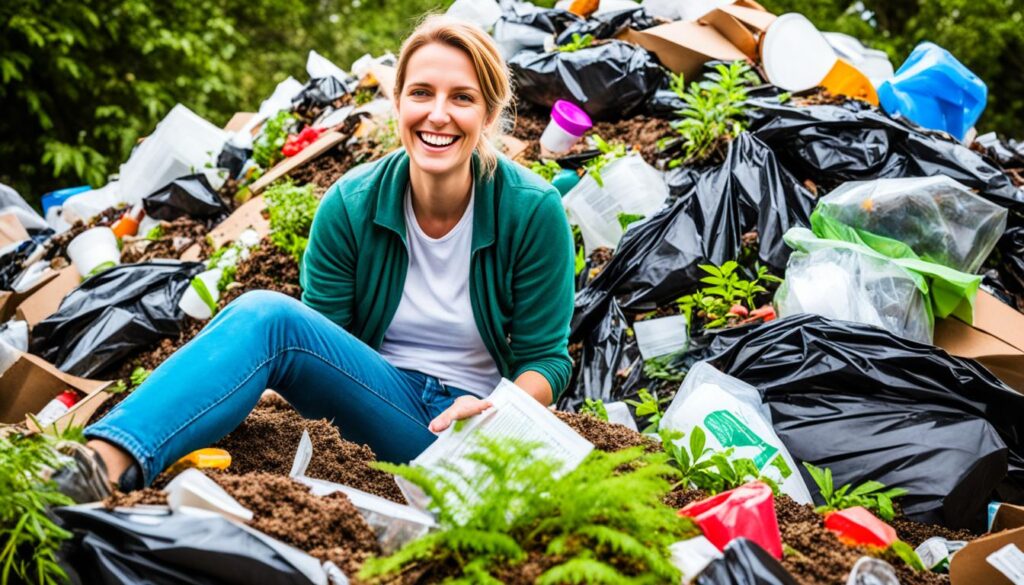
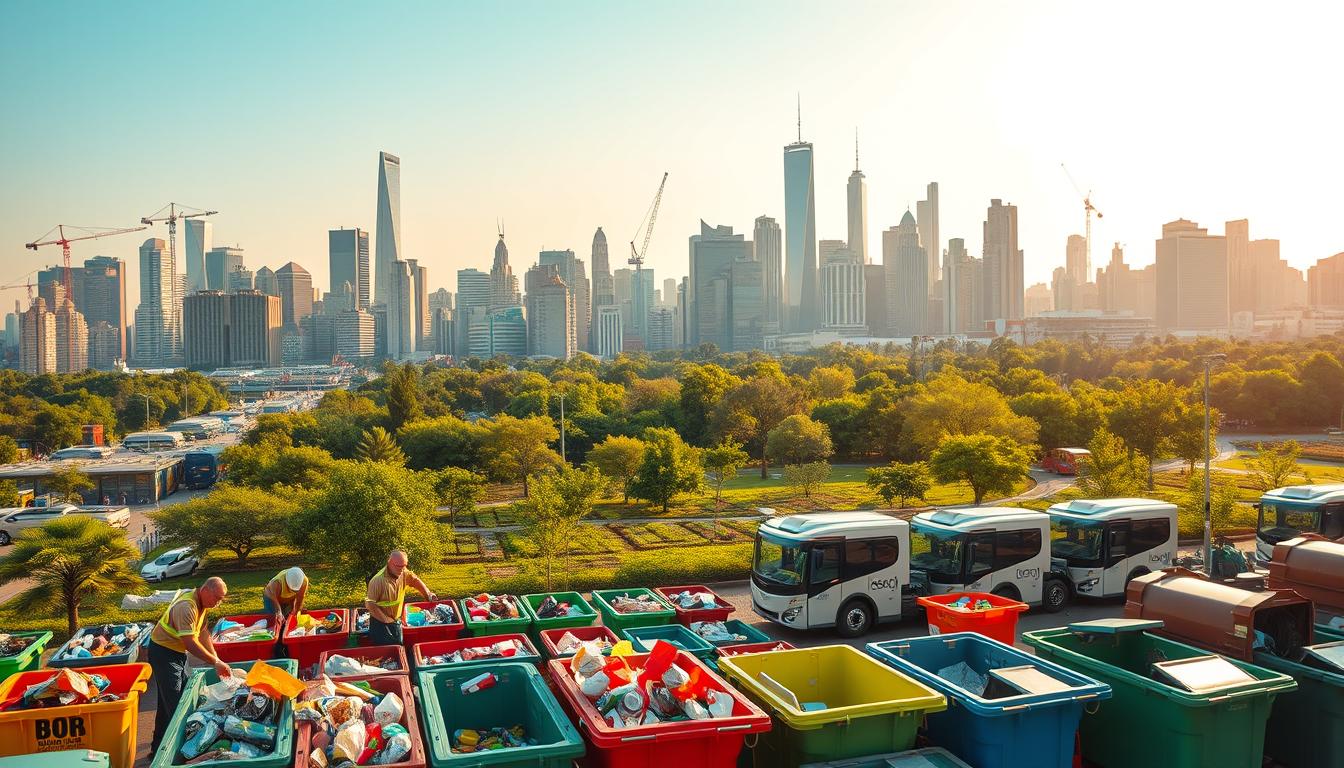
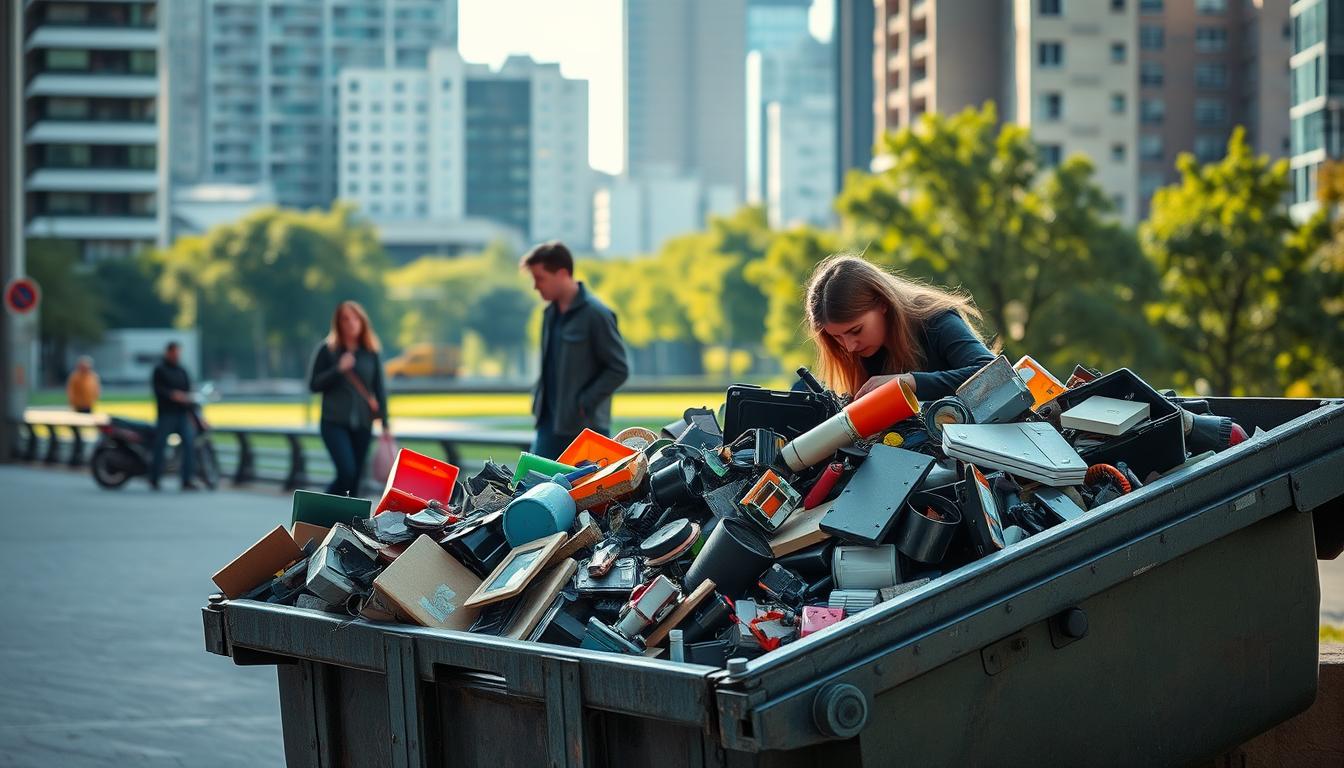
Recycling Benefits are becoming increasingly important as communities seek ways to reduce waste and protect the environment. Dumpster diving plays a surprising role in this effort by rescuing usable items before they reach landfills and giving them new life through reuse or proper recycling.
This practice diverts thousands of tons of materials from waste streams each year. When done responsibly, it creates a direct impact on sustainability goals while helping individuals discover valuable resources that would otherwise be lost forever.
TL;DR
- Dumpster diving prevents an estimated 30-40% of retrieved items from reaching landfills through direct reuse.
- Electronics rescued from dumpsters can yield up to 95% of their precious metals through proper recycling channels.
- Food waste recovery through diving reduces methane emissions by 25 tons of CO2 equivalent per ton of food saved.
- Textile rescue operations divert approximately 2,000 gallons of water waste per pound of clothing saved from production cycles.
Recycling Benefits Through Waste Stream Intervention
Dumpster diving creates a secondary recovery system that operates before traditional recycling programs take effect. Divers often find items that missed initial sorting processes or were incorrectly disposed of by consumers who didn’t understand proper recycling procedures.
This intervention catches materials at their most valuable stage – before contamination or degradation occurs in waste facilities. Waste management solutions through diving create immediate environmental benefits by keeping resources in active circulation.
Materials Recovery and Resource Conservation
Different types of materials offer varying levels of environmental benefit when rescued from waste streams. Electronics contain precious metals like gold, silver, and rare earth elements that require extensive mining operations to replace.
Paper products found in dumpsters can often be recycled through standard channels if they haven’t been contaminated. Clean cardboard, office paper, and packaging materials maintain their recycling value when recovered quickly.
Electronic Waste Recovery
Electronic devices represent some of the most environmentally significant finds in dumpster diving operations. These items contain materials that are both valuable and environmentally costly to produce.
- Smartphones and tablets – contain gold, silver, copper, and rare earth elements worth $10-15 per device in raw materials.
- Computer components – circuit boards yield high concentrations of precious metals through specialized recycling.
- Cable and wiring – copper content provides immediate recycling value at scrap metal facilities.
- Batteries – lithium and other materials require specialized handling but offer significant environmental benefits when properly recycled.
Textile and Clothing Recovery
The fashion industry creates massive environmental impacts through water usage, chemical processing, and transportation. Rescuing textiles from waste streams reduces demand for new production cycles.
Even damaged clothing items can be processed through textile recycling programs that break down fibers for new products. Cotton, wool, and synthetic materials all maintain recycling potential when diverted from landfills.
Food Waste Reduction Impact
Food waste creates methane gas when it decomposes in landfills – a greenhouse gas 25 times more potent than carbon dioxide. Recovering edible food through diving prevents this decomposition process while providing nutrition to people and animals.
Food waste minimization through diving creates measurable environmental benefits beyond simple waste reduction. Rescued food can feed families, support community programs, or provide compost materials for local gardens.
Check Expiration Dates Carefully
Focus on items that are past “sell by” dates but still within “use by” timeframes for maximum safety and environmental impact. Many perfectly good items get discarded due to conservative retail policies.
Building Materials and Construction Waste
Construction and renovation projects generate enormous amounts of reusable materials that often end up in dumpsters. These materials require significant energy and resources to produce, making their recovery particularly valuable.
Wood, metal fixtures, tiles, and hardware components can often be used in new construction projects or sold to others who need these materials. This direct reuse eliminates the need for new resource extraction and manufacturing.
Metal Recovery Operations
Metal items found through dumpster diving offer immediate recycling value through scrap metal dealers. Steel, aluminum, copper, and brass all maintain their material properties through multiple recycling cycles.
- Sort by metal type. Different metals have varying values and recycling processes that affect their environmental benefit.
- Clean materials when possible. Removing paint, plastic, or other contaminants increases recycling efficiency and value.
- Locate certified recyclers. Proper facilities ensure materials are processed using environmentally responsible methods.
- Track quantities recovered. Understanding your impact helps demonstrate the environmental benefits of recovery operations.
Paper and Cardboard Recycling Enhancement
Paper products maintain their recycling value when kept dry and uncontaminated during the diving process. Office buildings and retail locations often discard large quantities of clean paper materials that missed standard recycling collection.
Cardboard packaging represents a particularly valuable recovery target due to its high recycling rate and strong market demand. Clean cardboard boxes and packaging materials can be processed through any standard recycling program.
Community and Educational Benefits
Dumpster diving operations often raise awareness about waste problems within communities. When people see the volume and quality of discarded materials, they become more conscious of their own disposal practices.
Environmental activism through diving creates educational opportunities that extend far beyond individual recovery efforts. These activities inspire others to reduce waste and improve recycling habits.
Sharing Knowledge and Resources
Experienced divers often share their finds with community members who can use recovered materials. This distribution network amplifies the environmental benefits by ensuring materials reach people who will use them effectively.
Online communities and local groups coordinate recovery efforts to maximize efficiency and environmental impact. Getting started with diving becomes easier when supported by experienced practitioners who understand both safety and sustainability principles.
Articles You May Like
Frequently Asked Questions
How much environmental impact does dumpster diving actually create?
Studies suggest that regular dumpster diving operations can divert 500-2000 pounds of materials per person annually from landfills, creating measurable reductions in methane emissions and resource consumption.
What types of materials offer the biggest recycling benefits when recovered?
Electronics and metals provide the highest environmental returns due to their resource-intensive production processes and high recycling value retention through multiple processing cycles.
Can contaminated materials still provide environmental benefits through diving?
Some contaminated materials can be cleaned and processed, but safety should always take priority over environmental benefits when dealing with unknown substances or damaged items.
How do I ensure recovered materials get properly recycled?
Research local recycling facilities and programs to understand their specific requirements, and maintain relationships with certified processors who can handle specialized materials like electronics or metals.
Final Thoughts
Recycling Benefits through dumpster diving create tangible environmental improvements while building awareness about waste problems in our communities. This practice transforms discarded materials into valuable resources while reducing the environmental costs of new production.
Start with small recovery efforts in your area and build connections with others who share sustainability goals. Every item rescued represents a measurable step toward better resource management and environmental protection.