
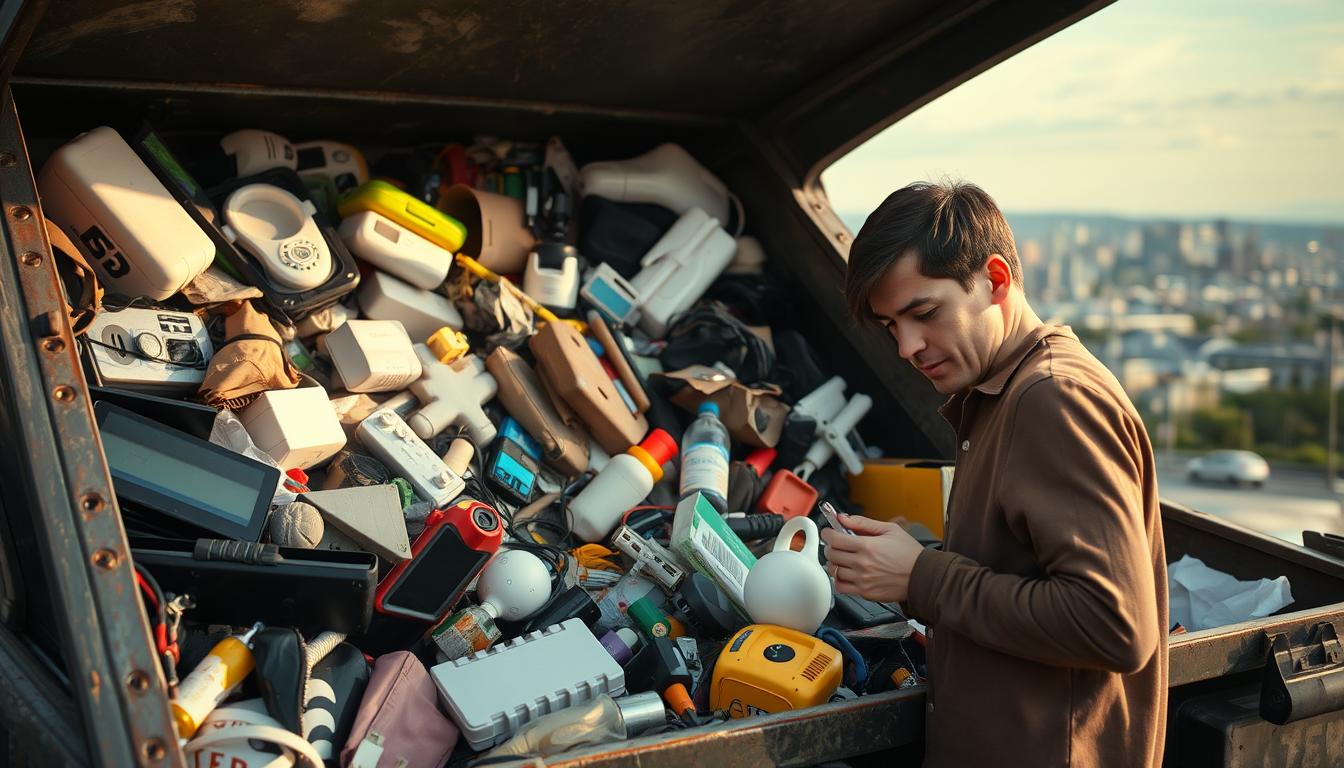
Reduce Landfill Waste through practical actions that anyone can take starting today. With landfills reaching capacity across the country and environmental concerns growing, finding ways to minimize what we throw away has become more important than ever.
Small changes in how we handle waste can make a big difference for the planet and your wallet. From composting kitchen scraps to repurposing items before they hit the trash, there are dozens of simple strategies that reduce what ends up in landfills.
TL;DR
- Americans generate 4.9 pounds of waste per person daily, with 75% going to landfills instead of being recycled or composted.
- Food waste makes up 24% of landfill content and produces methane gas that’s 25 times more potent than CO2 for climate change.
- Composting at home can divert 30% of household waste from landfills while creating free fertilizer for plants.
- Buying secondhand items prevents an average of 2.5 pounds of CO2 emissions per item compared to buying new products.
Reduce Landfill Waste with Smart Purchasing Decisions
Your shopping choices directly impact how much waste gets created in the first place. Buying items with minimal packaging, choosing reusable over disposable, and selecting quality goods that last longer all help reduce what eventually ends up in landfills.
Consider these purchasing strategies that make a real difference:
- Buy in bulk – reduces packaging waste and often costs less per unit.
- Choose refillable products – cleaning supplies, beauty products, and beverages often come in refillable containers.
- Select durable goods – spending more upfront on quality items means less frequent replacements.
- Avoid single-use items – replace disposable plates, cups, and utensils with reusable alternatives.
Composting and Food Waste Reduction
Food waste represents the largest category of material in landfills, making up nearly a quarter of what gets buried. When organic matter decomposes in landfills without oxygen, it produces methane – a greenhouse gas that’s much more harmful than carbon dioxide.
Home composting offers a simple solution that turns food scraps into valuable soil amendment. Even apartment dwellers can compost using small countertop systems or worm bins that don’t smell or take up much space.
Easy Composting Options
- Backyard bins – traditional composting for homeowners with outdoor space.
- Tumbler systems – faster composting with easy turning mechanisms.
- Worm composting – compact indoor option using red worms to process scraps.
- Bokashi method – fermentation technique that works in small spaces.
Beyond composting, reducing food waste starts with meal planning, proper storage, and using leftovers creatively. Apps like Too Good To Go connect consumers with restaurants selling surplus food at discounted prices, keeping perfectly good meals out of dumpsters.
Repurposing and Creative Reuse
Before throwing items away, consider whether they can serve a different purpose in your home. Glass jars become storage containers, old t-shirts turn into cleaning rags, and cardboard boxes work for organizing drawers.
This approach not only reduces waste but saves money on purchasing new organizational tools and supplies. Many items headed for the trash still have years of useful life in different applications.
Quick Repurposing Ideas
Keep a “repurpose box” in your home for items that aren’t trash but don’t have an immediate use. Check it before buying storage containers, craft supplies, or organizing tools.
Common Items with Second Lives
- Plastic containers – seed starters, paint holders, or parts organizers.
- Old towels – car wash rags, pet bedding, or drop cloths for messy projects.
- Egg cartons – fire starters, seed trays, or paint palettes for kids’ art projects.
- Wine corks – drawer pulls, plant markers, or craft project materials.
Donation and Secondhand Markets
Items you no longer need might be exactly what someone else is looking for. Donating clothing, furniture, electronics, and household goods keeps them in circulation rather than sending them to landfills.
The secondhand economy has grown dramatically with online platforms making it easier than ever to buy and sell used items. Tales from the dumpster show how much valuable stuff gets thrown away when it could easily find new owners instead.
Best Places to Donate or Sell
- Goodwill and Salvation Army. Accept most clothing and household items with convenient drop-off locations.
- Facebook Marketplace. Local sales without shipping costs, perfect for furniture and larger items.
- Specialty charities. Some organizations focus on specific items like books, eyeglasses, or medical equipment.
- Consignment shops. Handle the selling process for you in exchange for a percentage of the sale price.
Proper Recycling and Hazardous Waste Disposal
Recycling prevents materials from entering landfills by turning them into new products. However, recycling only works when done correctly – contaminated recycling often ends up in landfills anyway.
Learn your local recycling guidelines since programs vary significantly between cities and states. Some items require special handling, like electronics, batteries, or paint, which need to go to designated collection centers rather than regular recycling bins.
Commonly Misrecycled Items
- Pizza boxes – only recyclable if clean; grease contamination ruins paper recycling.
- Plastic bags – jam recycling machinery; return to store drop-off points instead.
- Broken glass – creates safety hazards; wrap and dispose in regular trash.
- Electronics – contain valuable metals but need special processing facilities.
Understanding the environmental impact of recycling helps motivate proper disposal practices that actually benefit the planet.
Community Action and Advocacy
Individual actions add up, but community-wide efforts create even bigger impacts on landfill waste reduction. Neighborhood composting programs, community gardens, and local swap meets all help divert waste while building social connections.
Many cities have started zero-waste initiatives that aim to eliminate landfill disposal entirely through aggressive recycling, composting, and waste reduction programs. Environmental activism through waste awareness can inspire broader changes in local policies and business practices.
Articles You May Like
Frequently Asked Questions
What percentage of waste can realistically be diverted from landfills?
Studies show that 75% of waste currently going to landfills could be recycled, composted, or reused with proper systems in place.
Is composting worth it for small households?
Yes, even small amounts of organic waste produce methane in landfills, and home composting systems can be scaled to match household size.
How do I find local recycling guidelines?
Contact your city’s waste management department or visit their website for specific rules about what can be recycled in your area.
What items should never go in regular trash?
Batteries, paint, electronics, fluorescent bulbs, and motor oil require special disposal at EPA-certified hazardous waste collection sites.
Final Thoughts
Reduce Landfill Waste through consistent daily choices that add up to significant environmental benefits over time. Start with one or two strategies like composting food scraps or buying secondhand items, then gradually incorporate more waste-reducing habits.
Every item you keep out of a landfill contributes to a healthier planet while often saving money in the process.


