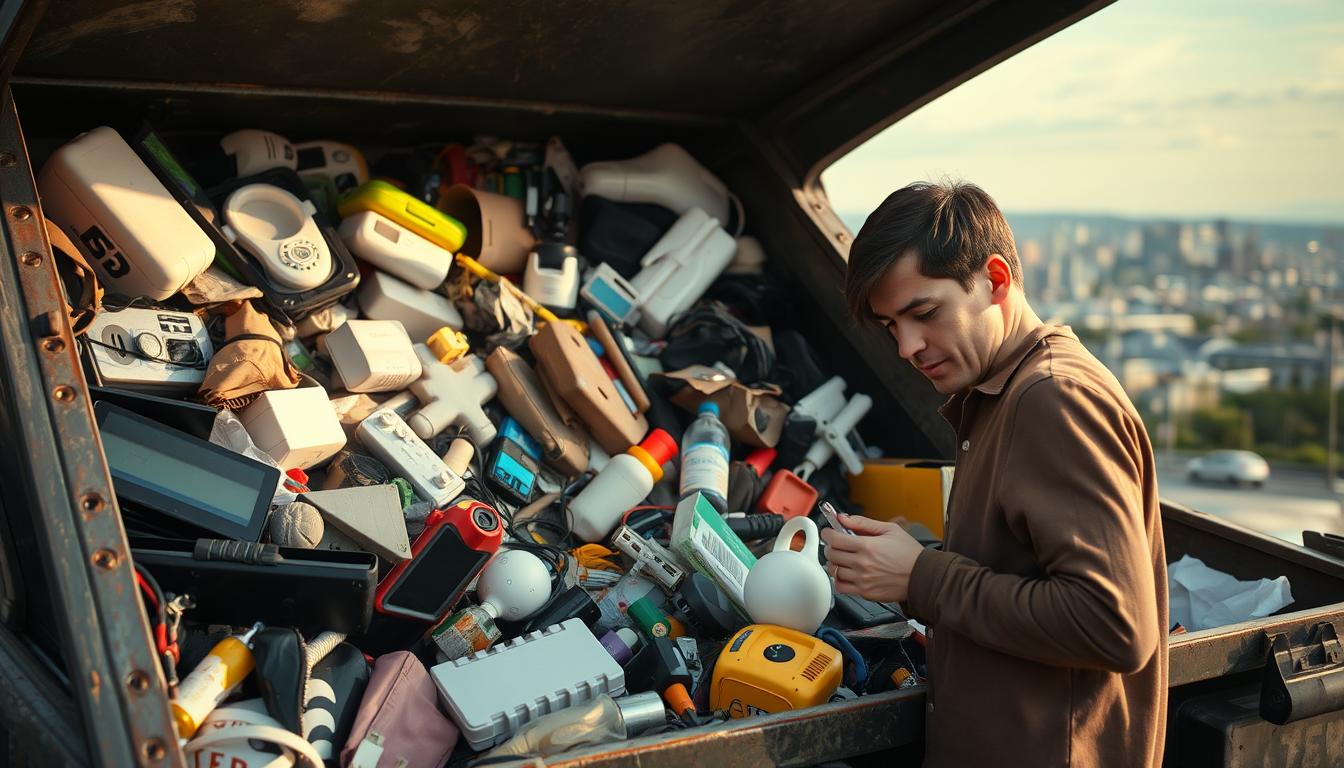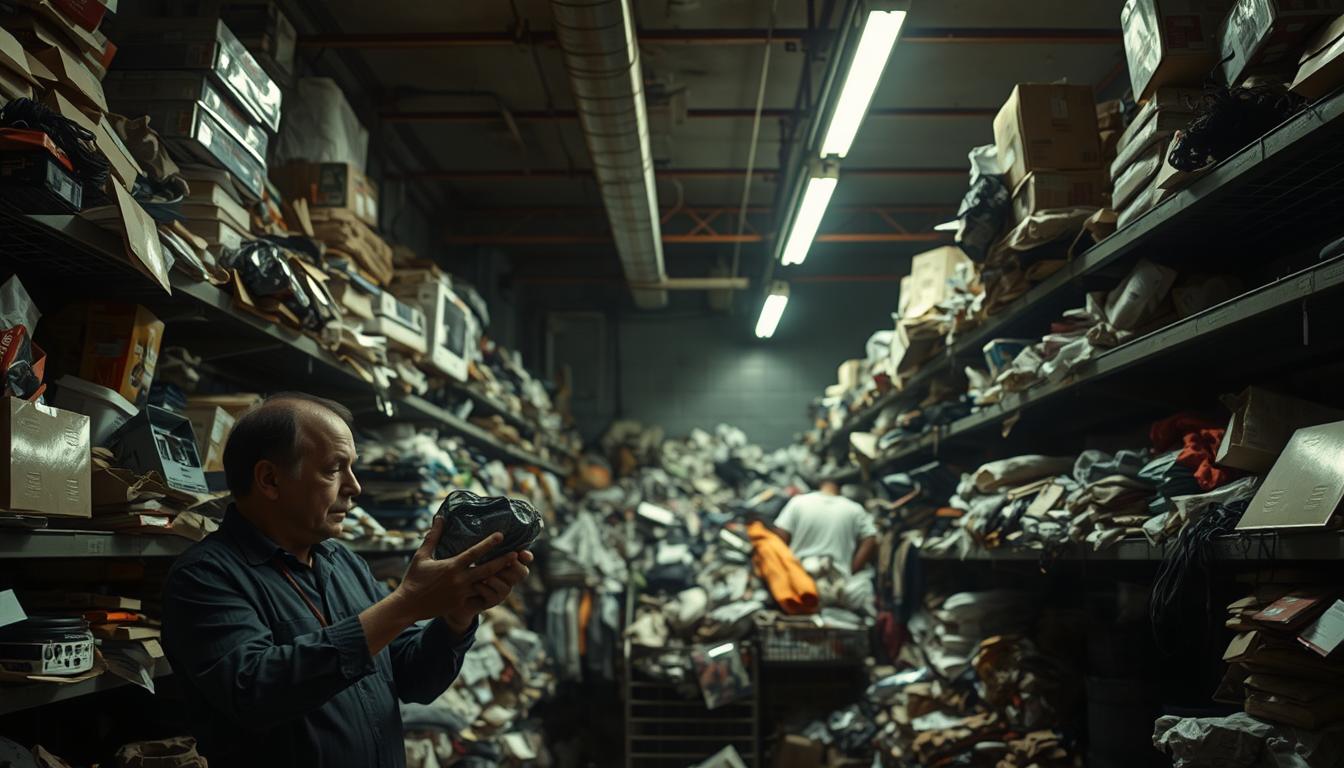
Retail Waste Statistics reveal a shocking reality about how much perfectly good merchandise ends up in landfills every year. Major retailers across the United States discard billions of dollars worth of products annually, from unsold clothing and electronics to food items and household goods.
Understanding these numbers helps explain why dumpster diving has become both an environmental movement and a practical way to recover valuable items. The scale of retail waste presents both environmental challenges and opportunities for those willing to explore alternative approaches to consumption.
TL;DR
- US retailers throw away $62 billion worth of unsold inventory annually, with fashion alone accounting for $18 billion in waste.
- Grocery stores discard 43 billion pounds of food each year, worth approximately $161 billion at retail prices.
- Electronics retailers dispose of over 6 million tons of functional devices annually due to minor cosmetic damage or return policies.
- Amazon destroys 130,000 items weekly at just one UK facility, including new laptops, tablets, and unopened packages.
Retail Waste Statistics by Industry
Different retail sectors generate waste at staggering rates, each with unique disposal patterns. Fashion retailers lead the pack, followed closely by grocery chains and electronics stores.
Fashion and Clothing Waste
The fashion industry produces some of the most alarming waste numbers. Fast fashion retailers discard approximately 92 million tons of clothing annually worldwide, with US stores alone throwing away $18 billion worth of unsold garments.
- H&M – Burned 60 tons of unsold clothing in 2017 despite having a recycling program
- Victoria’s Secret – Destroys returned underwear and bras worth millions annually
- Department stores – Dispose of 15-20% of seasonal inventory that doesn’t sell
- Online returns – 5 billion pounds of returned clothing goes to landfills yearly
Grocery Store Food Waste
Supermarkets generate massive amounts of food waste through strict sell-by date policies and cosmetic standards. Food waste from retail operations represents a significant environmental concern that affects both local communities and global resources.
- Produce sections – 12% of all fruits and vegetables are discarded before reaching consumers
- Bakery items – 17% of baked goods become waste due to day-old policies
- Dairy products – $1.8 billion worth of milk, cheese, and yogurt discarded annually
- Meat departments – 22% of meat products expire before sale
Electronics and Technology Waste
Consumer electronics retailers face unique challenges with returned items and rapid product cycles. Best Buy, Apple, and other tech retailers often cannot legally resell returned electronics, leading to massive disposal operations.
| Store Type | Annual E-Waste (Tons) | Primary Disposal Reason |
|---|---|---|
| Big box electronics | 2.1 million | Return policies |
| Cell phone carriers | 480,000 | Trade-in programs |
| Computer retailers | 890,000 | Minor damage/defects |
| Online marketplaces | 1.2 million | Customer returns |
Timing Your Searches
Retail waste peaks during specific periods like end-of-season clearances and post-holiday returns. Target these timeframes when planning your diving schedule for maximum success.
Cosmetics and Personal Care Waste
Beauty retailers face strict hygiene regulations that prevent resale of returned items. Sephora, Ulta, and drugstore chains destroy millions of dollars worth of cosmetics annually.
- Returned makeup. All returned cosmetics must be destroyed due to health regulations, even unopened items.
- Expired products. Beauty products with approaching expiration dates get pulled from shelves months early.
- Damaged packaging. Items with slightly dented boxes or torn labels become unsellable waste.
- Seasonal collections. Limited edition items that don’t sell get destroyed rather than stored.
Home Improvement and Garden Center Waste
Hardware stores and garden centers generate substantial waste through seasonal inventory cycles. Home Depot and Lowe’s regularly dispose of perfectly functional items that don’t sell within specific timeframes.
- Seasonal plants – 30% of nursery stock dies or gets discarded each season
- Holiday decorations – $2.3 billion worth destroyed annually after seasons end
- Paint products – Custom mixed paints cannot be resold and become hazardous waste
- Tool returns – Used tools often get discarded rather than restocked
The Hidden Costs of Retail Waste
Beyond the sticker price of discarded merchandise, retail waste creates cascading financial and environmental impacts. Companies spend additional money on disposal services, storage, and transportation of waste items.
Environmental costs include increased landfill usage, transportation emissions, and wasted manufacturing resources. Understanding these impacts highlights how individual recovery efforts can make a meaningful difference in reducing overall waste streams.
Seasonal Waste Patterns
Retail waste follows predictable seasonal patterns that create opportunities for recovery efforts. Post-holiday periods see massive spikes in disposal activity across all retail categories.
- January-February – Holiday returns and clearance items peak disposal
- April-May – Spring cleaning merchandise and seasonal changeovers
- August-September – Back-to-school inventory liquidation
- November-December – Black Friday returns and damaged packaging
Articles You May Like
Frequently Asked Questions
Why don’t retailers donate instead of throwing away merchandise?
Many retailers avoid donations due to liability concerns, tax complications, and the logistics costs of sorting and transporting items to charitable organizations.
How much money do retailers lose from waste annually?
US retailers collectively lose over $62 billion annually from discarded inventory, with individual large chains losing hundreds of millions each year.
Which types of stores generate the most valuable waste?
Electronics stores, fashion retailers, and pharmacies typically discard the highest-value items due to return policies and regulatory requirements.
Are retail waste statistics getting better or worse?
Waste volumes continue increasing as online shopping grows, creating more returns and packaging waste, though some companies are implementing better donation programs.
What percentage of retail waste could be recovered?
Studies suggest 70-80% of discarded retail merchandise remains in sellable or usable condition, representing massive recovery potential.
Final Thoughts
Retail Waste Statistics paint a clear picture of systemic inefficiency in our consumer economy, with billions of dollars worth of perfectly good merchandise ending up in landfills annually. The EPA’s food recovery hierarchy demonstrates how recovery efforts can make a positive environmental impact through waste reduction.
Whether you’re motivated by environmental concerns, economic opportunity, or simple curiosity about waste patterns, understanding these statistics provides valuable context for making informed decisions about consumption and recovery activities.