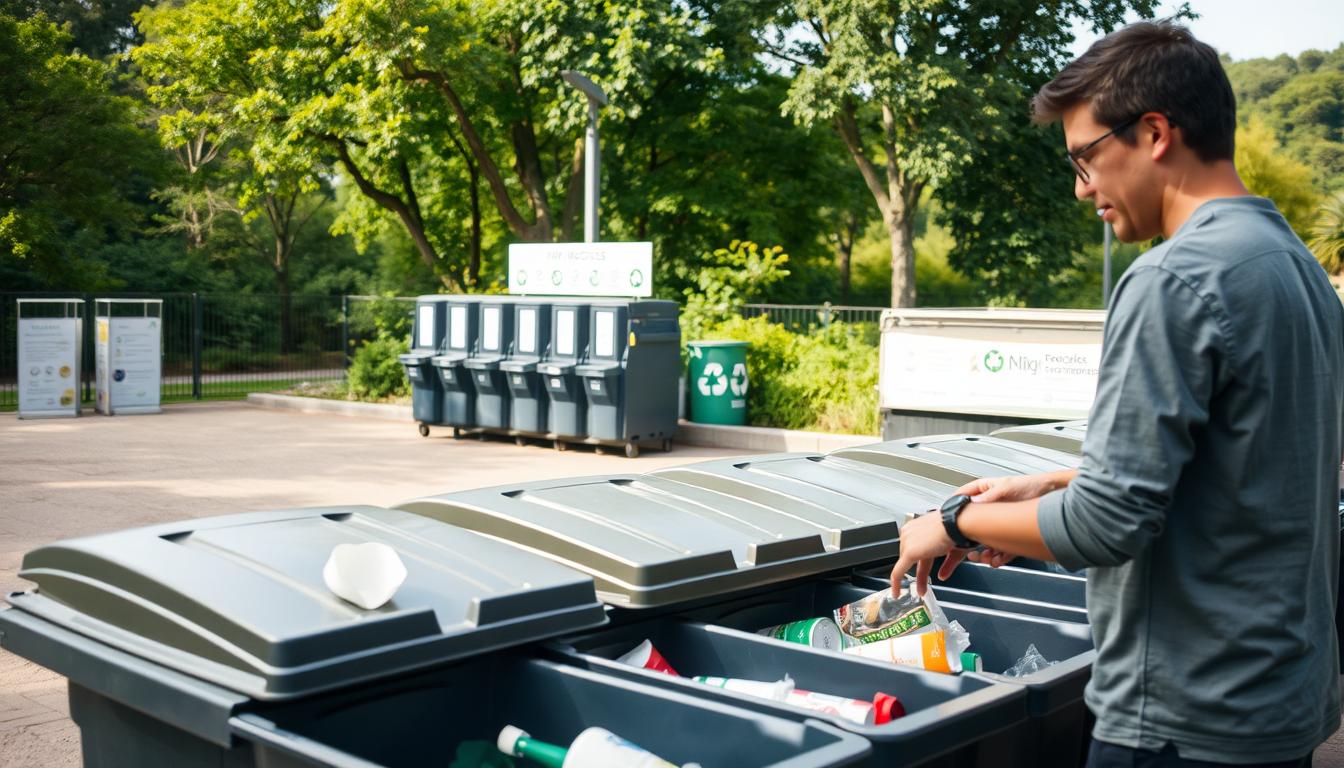
Safe Dumpster Check practices are essential before diving into any container for valuable finds. Proper inspection can prevent injuries, legal issues, and ensure you’re accessing dumpsters that actually contain worthwhile items.
Whether you’re new to dumpster diving or looking to improve your safety protocols, knowing how to properly assess a dumpster before diving can make the difference between a successful treasure hunt and a dangerous situation. Smart divers always prioritize safety over potential finds.
TL;DR
- Check for “No Trespassing” signs within 50 feet of the dumpster before approaching to avoid legal trouble.
- Look for broken glass, sharp metal edges, or hazardous liquid spills on the dumpster exterior before opening the lid.
- Test dumpster lids gently – if they require excessive force or make loud noises, move to a different location.
- Inspect the area for security cameras, motion lights, or recent employee activity within the past 30 minutes.
Safe Dumpster Check Protocol
A thorough dumpster safety check starts before you even touch the container. Begin your assessment from at least 20 feet away, scanning the entire area for potential hazards and legal restrictions.
Your safety check should follow a systematic approach that covers legal, physical, and environmental factors. This process takes less than five minutes but can save you from serious injury or legal consequences.
Visual Safety Assessment
Start with a complete visual inspection of the dumpster and surrounding area. Look for obvious damage, leaks, or structural problems that could indicate dangerous contents or unstable conditions.
- Exterior damage – Check for rust holes, sharp edges, or bent metal that could cause cuts.
- Liquid stains – Dark stains around the base often indicate chemical spills or hazardous waste.
- Pest activity – Multiple flies, strong odors, or visible rodents suggest contaminated contents.
- Structural integrity – Wobbly or tilted dumpsters can shift unexpectedly when opened.
Warning Signs to Avoid
Certain visual cues immediately disqualify a dumpster from safe diving. These warning signs indicate either legal restrictions or serious safety hazards that experienced divers never ignore.
- Hazmat labels – Any chemical or biohazard symbols mean the contents are dangerous.
- Medical waste containers – Red bags or sharps containers require special disposal protocols.
- Industrial equipment nearby – Construction or manufacturing sites often contain toxic materials.
- Fresh concrete or paint – Recent construction debris can contain harmful chemicals.
Legal and Security Checks
Legal considerations are just as important as physical safety when checking dumpsters. Getting started with dumpster diving requires understanding local laws and respecting private property boundaries.
Always verify that the dumpster is on public property or that you have permission to access the area. Private property violations can result in trespassing charges even if the dumpster contents are legally considered abandoned.
- Check property lines. Look for fences, signs, or clear boundaries that indicate private property.
- Scan for cameras. Security systems are increasingly common and can record your activities.
- Note business hours. Diving during operating hours increases the risk of confrontation with employees.
- Observe recent activity. Fresh tire tracks or footprints suggest the area is regularly monitored.
Time-Based Safety Factors
The timing of your dumpster check affects both safety and success rates. Nighttime versus daytime diving each present different safety considerations that impact your checking routine.
Daylight provides better visibility for safety checks but increases the chance of being seen. Night diving offers more privacy but requires extra caution when assessing potential hazards.
Quick Safety Test
Before opening any dumpster, gently push on one corner to test stability. If it moves more than an inch, choose a different container.
Location-Specific Safety Protocols
Different types of businesses require adapted safety checking procedures. Walmart dumpster diving involves different safety considerations than smaller retail locations due to size and security measures.
Retail locations typically have more predictable waste streams, while restaurants and food service establishments require extra caution due to organic waste and potential contamination issues.
Retail Store Dumpsters
Retail dumpsters generally contain packaging materials, returned items, and seasonal merchandise. These locations often have regular pickup schedules that affect when fresh items appear.
- Check pickup schedules – Most retail stores have waste pickup 2-3 times per week.
- Look for compactors – Large chains often use compacting systems that make diving impossible.
- Note loading dock proximity – Dumpsters near active loading areas have higher foot traffic.
- Assess lighting conditions – Well-lit areas provide safety but reduce privacy.
Restaurant and Food Service Safety
Food service dumpsters present unique challenges including organic waste, grease, and potential foodborne pathogens. Extra safety precautions are essential when checking these locations.
- Grease levels – Excessive grease makes surfaces slippery and attracts pests.
- Odor intensity – Strong smells often indicate spoiled food or contamination.
- Container temperature – Hot containers suggest recent disposal of cooking waste.
- Pest concentration – Food waste attracts more aggressive pest populations.
Environmental Safety Considerations
Weather conditions significantly impact dumpster diving safety and require adjusted checking procedures. Rain, snow, and extreme temperatures create additional hazards that affect both the dumpster contents and your ability to safely navigate the area.
Wet conditions make surfaces slippery and can conceal dangerous items under water or snow. Hot weather accelerates decomposition and increases the risk of encountering harmful bacteria or overwhelming odors.
- Wet weather precautions – Check for standing water that could hide sharp objects or create slip hazards.
- Temperature extremes – Very hot or cold containers can cause burns or frostbite on contact.
- Wind conditions – Strong winds can blow debris or cause dumpster lids to slam unexpectedly.
- Visibility factors – Fog, rain, or snow reduce your ability to spot potential dangers.
Equipment for Safe Checking
Proper equipment makes dumpster safety checks more thorough and protects you during the inspection process. Essential safety gear should be ready before you begin any dumpster assessment.
Basic safety equipment for checking dumpsters includes a flashlight, work gloves, and a long-handled tool for moving items without direct contact. These tools help you identify hazards without putting yourself at risk.
- LED flashlight – Bright, hands-free lighting reveals hidden dangers in dark containers.
- Work gloves – Cut-resistant gloves protect against sharp edges during preliminary checks.
- Grabber tool – Long-handled reachers let you move suspicious items safely.
- First aid kit – Basic supplies for treating minor cuts or scrapes immediately.
Articles You May Like
Frequently Asked Questions
How long should a proper dumpster safety check take?
A thorough safety check should take 3-5 minutes, including visual inspection, legal assessment, and environmental factors. Rushing this process increases your risk of injury or legal problems.
What are the most dangerous items to watch for in dumpsters?
Sharp objects like broken glass or metal, chemical containers, medical waste, and electrical components pose the greatest safety risks. Never handle items you cannot clearly identify.
Is it safe to check dumpsters alone?
While many divers work solo, having a partner improves safety through shared observation and immediate help if accidents occur. At minimum, tell someone your planned route and expected return time.
How can I tell if a dumpster contains hazardous materials?
Look for warning labels, strong chemical odors, unusual colors or textures, and any containers marked with hazmat symbols. When in doubt, avoid the dumpster entirely.
Final Thoughts
Safe Dumpster Check procedures are the foundation of successful and responsible diving practices. Taking time to properly assess each container protects you from injury, legal trouble, and wasted effort on dangerous or empty dumpsters.
Start with a systematic safety check this week and make it a standard part of your diving routine. Personal safety practices become automatic with consistent use, letting you focus on finding valuable items while staying protected.