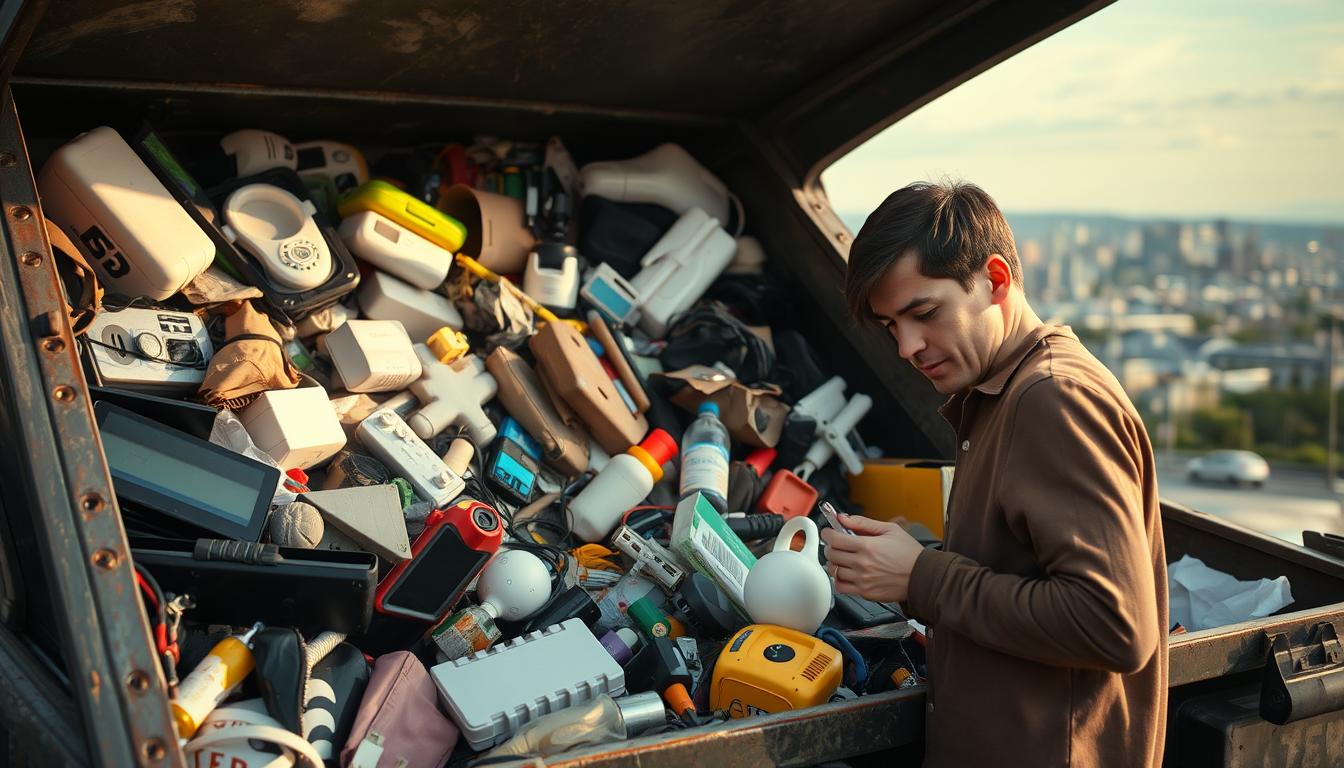
Sustainable Living Repurposing Dumpster Finds For Eco Friendly Practices offers a powerful way to reduce waste while creating useful items for your home. Many people throw away perfectly good materials that can be transformed into functional pieces with just a little creativity and effort.
This approach combines environmental responsibility with practical savings, allowing you to build a more sustainable lifestyle without spending extra money. When you rescue items from waste streams and give them new purpose, you’re directly reducing landfill burden while meeting your household needs.
TL;DR
- Repurposing dumpster finds can save the average household $500-800 annually on home goods and furniture.
- Glass jars, wooden pallets, and metal containers are the most versatile materials for sustainable repurposing projects.
- 70% of discarded electronics contain reusable components that can power DIY solar systems or garden automation.
- Textile scraps from dumpster finds can replace 90% of store-bought cleaning supplies when repurposed into reusable rags and covers.
Sustainable Living Repurposing Dumpster Finds For Eco Friendly Practices
The foundation of sustainable repurposing starts with recognizing valuable materials that others discard as worthless. Construction sites, office buildings, and retail stores regularly throw away items that can serve new functions in eco-conscious homes.
Successful sustainable living through dumpster diving requires understanding which materials offer the best repurposing potential. Focus on durable items like metal, glass, solid wood, and high-quality plastics that can withstand multiple transformations over time.
Essential Materials for Eco-Friendly Repurposing
Certain discarded materials consistently deliver the highest value for sustainable living projects. These items form the backbone of most successful repurposing efforts.
Glass Containers and Bottles
Glass jars and bottles offer unlimited repurposing possibilities for sustainable households. Large glass containers work perfectly as storage for bulk foods, reducing your need for plastic packaging.
- Food storage systems – Mason jars and large containers replace plastic tupperware entirely.
- Garden planters – Wine bottles become self-watering planters for herbs and small vegetables.
- Light fixtures – Glass bottles convert into pendant lights or candle holders for ambient lighting.
- Bathroom organization – Jars store toiletries, cotton balls, and homemade beauty products safely.
Wooden Materials and Furniture
Discarded wood from construction projects and old furniture provides raw material for countless sustainable living applications. Even damaged wooden items often contain usable sections that can be transformed through creative upcycling techniques.
- Garden beds – Wooden pallets become raised garden beds that improve soil drainage and accessibility.
- Storage solutions – Old dresser drawers transform into under-bed storage or wall-mounted organizers.
- Composting systems – Wooden crates create effective three-bin composting setups for organic waste.
- Furniture restoration – Solid wood pieces need only cleaning and refinishing to serve for decades more.
Creating Functional Systems from Waste Materials
The most impactful sustainable repurposing projects solve multiple household needs while reducing ongoing waste generation. These systems approach sustainability holistically rather than creating single-use solutions.
Water Conservation Systems
Large plastic containers and metal drums frequently appear in dumpsters and make excellent components for home water conservation systems. These materials can capture and store rainwater for garden use or emergency supplies.
- Install collection barrels. Position large containers under downspouts to capture roof runoff automatically.
- Create distribution networks. Use PVC pipes found in construction dumpsters to build gravity-fed watering systems.
- Filter and purify water. Layer sand, charcoal, and cloth from textile waste to create basic water filtration systems.
- Store gray water. Repurpose containers to capture sink and shower water for garden irrigation.
Energy-Efficient Lighting Solutions
Discarded electronics and glass materials combine to create sustainable lighting systems that reduce electricity consumption. Solar garden lights, LED strips, and reflective materials from dumpsters can illuminate your home efficiently.
- Solar charging stations – Old cell phone chargers and small solar panels power LED lighting systems.
- Reflective light amplifiers – Mirrors and metallic materials redirect natural light into dark corners.
- Candle holders and lanterns – Glass containers become safe holders for renewable lighting sources.
- Motion sensor systems – Salvaged electronic components create automated lighting that saves energy.
Start Small for Success
Begin with simple one-material projects like turning jars into planters before attempting complex multi-component systems. Master basic techniques first, then gradually take on more ambitious sustainable repurposing challenges.
Textile and Fabric Repurposing for Zero Waste Living
Clothing and fabric scraps represent some of the most versatile materials for sustainable living applications. These items can replace numerous single-use products while lasting for years with proper care.
Cleaning and Maintenance Supplies
Old t-shirts, towels, and bedding become comprehensive cleaning systems that eliminate the need for disposable paper products. Cotton and microfiber materials work especially well for different cleaning tasks around the home.
- All-purpose cleaning rags – Cut old clothing into uniform squares for general cleaning tasks.
- Scrubbing pads – Layer rough fabrics to create reusable scouring pads for tough stains.
- Dust covers – Large fabric pieces protect furniture and equipment from dust accumulation.
- Polishing cloths – Soft cotton materials maintain wood furniture and metal surfaces naturally.
Food Production and Storage
Fabric materials excel at supporting sustainable food systems that reduce packaging waste and improve food preservation. Natural fibers work particularly well for direct food contact applications.
- Produce bags. Mesh fabrics replace plastic bags for grocery shopping and storage.
- Food wraps. Coat cotton fabric with beeswax to create reusable food wrapping systems.
- Sprouting systems. Fine mesh fabrics support seed sprouting for fresh microgreens year-round.
- Herb drying. Breathable fabric bundles preserve herbs without electric dehydrators.
Electronics and Technology for Sustainable Innovation
Discarded electronics contain valuable components that support sustainable living goals when properly harvested and repurposed. Circuit boards, sensors, and power supplies can automate eco-friendly systems throughout your home.
Home Automation for Efficiency
Old smartphones, tablets, and computer components become the brains of sustainable home systems. These devices can monitor energy use, control lighting, and manage garden watering automatically.
- Garden monitoring – Smartphone cameras become time-lapse systems for tracking plant growth and health.
- Energy tracking – Tablet displays show real-time power consumption to optimize usage patterns.
- Climate control – Programmable thermostats from office equipment reduce heating and cooling waste.
- Security systems – Motion sensors and old phones create property monitoring without monthly fees.
Building Long-Term Sustainability Systems
The most successful sustainable repurposing creates interconnected systems that support each other over time. These approaches maximize the efficiency of your dumpster diving efforts while building genuine self-sufficiency.
Circular Resource Management
Plan your repurposing projects to create closed loops where waste from one system becomes input for another. This approach mirrors natural ecosystems where nothing goes to waste.
- Composting to gardening – Kitchen scraps feed garden beds that produce food and reduce grocery costs.
- Gray water to irrigation – Household water feeds plants that clean air and provide natural cooling.
- Biomass to energy – Garden waste becomes compost heat or biogas for cooking and heating.
- Food preservation to storage – Excess harvest transforms into preserved foods that reduce winter food costs.
Articles You May Like
Frequently Asked Questions
What safety precautions should I take when repurposing dumpster finds?
Always wear gloves and inspect items carefully for damage, contamination, or hazardous materials. Clean everything thoroughly before bringing it indoors and avoid items with unknown chemical exposure.
How do I know if materials are safe for food contact applications?
Stick to food-grade materials like glass, stainless steel, and untreated natural wood for direct food contact. Avoid plastics unless they have recycling codes 1, 2, 4, or 5, and never use containers that previously held chemicals or non-food products.
Which repurposing projects offer the biggest environmental impact?
Water conservation systems, composting setups, and textile-based replacements for disposable products create the largest environmental benefits. These projects reduce ongoing waste generation rather than just reusing single items.
How can I learn the skills needed for complex repurposing projects?
Start with online tutorials for basic projects, then connect with local maker spaces or community workshops that offer hands-on training. Many libraries also provide tool access and instruction for common repair and building skills.
What tools do I need to get started with sustainable repurposing?
Begin with basic hand tools like screwdrivers, pliers, a saw, drill, and measuring tools. Add specialized equipment as your projects become more complex, and consider borrowing or sharing expensive tools with neighbors.
Final Thoughts
Sustainable Living Repurposing Dumpster Finds For Eco Friendly Practices creates meaningful environmental impact while building practical self-sufficiency skills. The combination of waste reduction, cost savings, and creative problem-solving makes this approach both rewarding and sustainable long-term.
Start with one simple project this week, then gradually expand your repurposing efforts as you discover new ways to transform discarded materials into useful household items. For composting system guidance, the EPA’s home composting resources provide detailed instructions for setting up effective waste-to-soil systems.