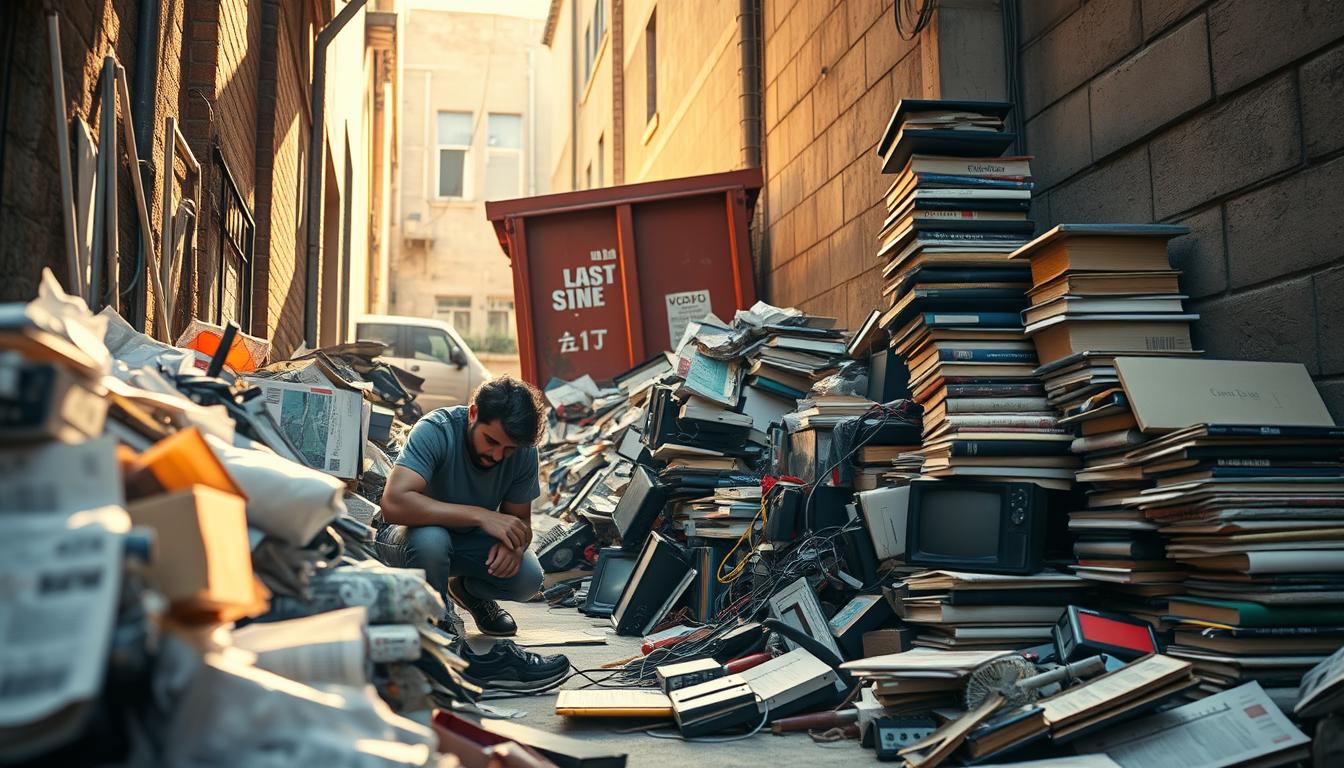
The Art of Dumpster Diving opens up a world of possibilities for finding valuable items while reducing waste. This practice involves searching through commercial and residential dumpsters to recover discarded goods that still have value or use. Many beginners discover that what others throw away can become treasure with the right approach and knowledge.
Getting started requires understanding local laws, safety protocols, and the best locations to search. Success comes from knowing when and where to look, what items to prioritize, and how to stay safe during your searches.
TL;DR
- Check local and state laws first – some areas prohibit dumpster diving while others allow it on public property.
- Peak times are late evening after store closures and early morning before trash pickup around 5-7 AM.
- Retail stores discard an estimated $40 billion worth of usable merchandise annually in the United States.
- Essential safety gear includes thick gloves, closed-toe shoes, flashlight, and first aid supplies for every dive.
The Art of Dumpster Diving Fundamentals
Dumpster diving combines practical treasure hunting with environmental consciousness. The practice started gaining popularity during economic downturns when people needed to stretch their budgets further.
Modern dumpster diving attracts people for various reasons – some seek free furniture and electronics, others focus on reducing waste, and many enjoy the thrill of discovery. Retail stores alone throw away billions of dollars worth of perfectly good merchandise each year due to minor defects, overstock, or seasonal changes.
Legal Considerations
Understanding the legal landscape is your first priority before diving. Laws vary significantly by location, with some states and cities completely prohibiting the practice while others allow it under specific conditions.
- Public property – Generally more permissive, but local ordinances may still apply.
- Private property – Usually requires permission from the property owner.
- Posted signs – “No Trespassing” or “No Scavenging” signs create legal barriers.
- Business hours – Some locations allow diving only during certain times.
Research your local laws thoroughly and consider contacting local authorities if you’re unsure. Many states have specific regulations about going through trash in California and other jurisdictions.
Essential Safety Guidelines
Safety should never be compromised when dumpster diving. Dumpsters contain potential hazards including broken glass, sharp metal, chemicals, and unstable items that can shift or fall.
Safety Equipment Checklist
- Heavy-duty gloves – Protect hands from cuts and contamination.
- Closed-toe shoes – Steel-toed boots offer the best protection.
- Flashlight or headlamp – Essential for visibility in dark containers.
- First aid kit – Include bandages, antiseptic, and pain relievers.
- Grabber tool – Avoid reaching deep into containers.
Never dive alone, especially during nighttime searches. Having a partner increases safety and provides assistance if accidents occur.
Start Small and Build Confidence
Begin with apartment complex dumpsters or small retail locations before tackling large commercial sites. This approach helps you develop skills and confidence in a less overwhelming environment.
Prime Locations for Successful Dives
Different locations offer different types of treasures, and timing your visits correctly can make a huge difference in what you find. Scouting the best dumpster locations requires understanding business cycles and disposal patterns.
High-Value Retail Locations
- Electronics stores – Find returned items, display models, and outdated inventory.
- Furniture stores – Discover damaged pieces that are easily repairable.
- Grocery stores – Locate packaged goods past sell-by dates but still safe.
- Office buildings – Uncover discarded electronics, supplies, and furniture.
Some specific retailers like Best Buy and Target have particular policies and potential finds worth understanding.
Optimal Timing Strategies
Timing dramatically affects what you’ll find and your safety level. Most businesses dispose of items on predictable schedules.
- Evening hours. Visit after stores close but before late-night partiers appear.
- Early morning. Arrive before dawn but after overnight restocking is complete.
- End of seasons. Retailers clear seasonal inventory during transition periods.
- End of fiscal quarters. Businesses often dispose of overstock to clear inventory.
What to Look For and What to Avoid
Successful dumpster diving requires knowing which items are worth your time and which ones pose risks. Focus on items with clear resale value or personal utility.
High-Value Target Items
- Electronics – Phones, tablets, computers with minor issues or missing accessories.
- Furniture – Solid wood pieces, designer items, or easily repairable items.
- Clothing – Designer brands, vintage items, or new-with-tags merchandise.
- Books and media – Textbooks, rare books, DVDs, and video games.
- Home goods – Kitchen appliances, decorative items, and household supplies.
Items to Avoid
Some items present health risks or legal issues that make them unsuitable for recovery. Always prioritize your safety over potential finds.
- Perishable food – High contamination risk and questionable freshness.
- Medications – Legal and safety concerns make these off-limits.
- Personal documents – Identity theft risks and privacy violations.
- Hazardous materials – Chemicals, batteries, and unknown substances.
Building Your Dumpster Diving Routine
Developing a systematic approach increases your success rate and efficiency. Create routes that maximize your time while covering diverse location types.
Keep detailed records of your finds, including location, time, and item condition. This data helps you identify patterns and optimize future diving sessions. Nighttime vs daytime diving each offers distinct advantages depending on your goals and comfort level.
Route Planning Tips
- Map your territory. Identify 10-15 promising locations within a reasonable driving distance.
- Schedule regular visits. Consistency helps you understand each location’s disposal patterns.
- Vary your timing. Different times reveal different types of discarded items.
- Track success rates. Focus more time on productive locations.
Articles You May Like
Frequently Asked Questions
Is dumpster diving legal everywhere?
No, laws vary by state, city, and property type. Some areas prohibit it entirely while others allow it on public property only.
What should I do if store employees or security approach me?
Remain calm and polite, explain you’re following local laws, and leave immediately if asked. Never argue or become confrontational.
How much money can you realistically make from dumpster diving?
Earnings vary widely based on location, time invested, and what you do with finds. Some people make $100-500 monthly while others earn much more through reselling valuable items.
What’s the best time of day for dumpster diving?
Late evening after stores close or early morning before trash pickup typically offer the best combination of fresh discards and safety.
Final Thoughts
The Art of Dumpster Diving offers an accessible way to find valuable items while contributing to waste reduction. Success comes from understanding local laws, prioritizing safety, and developing systematic approaches to location scouting and timing.
Start with your first dive at a low-risk location and gradually build your skills and confidence. Remember that patience and persistence are key to discovering the treasures that others overlook.