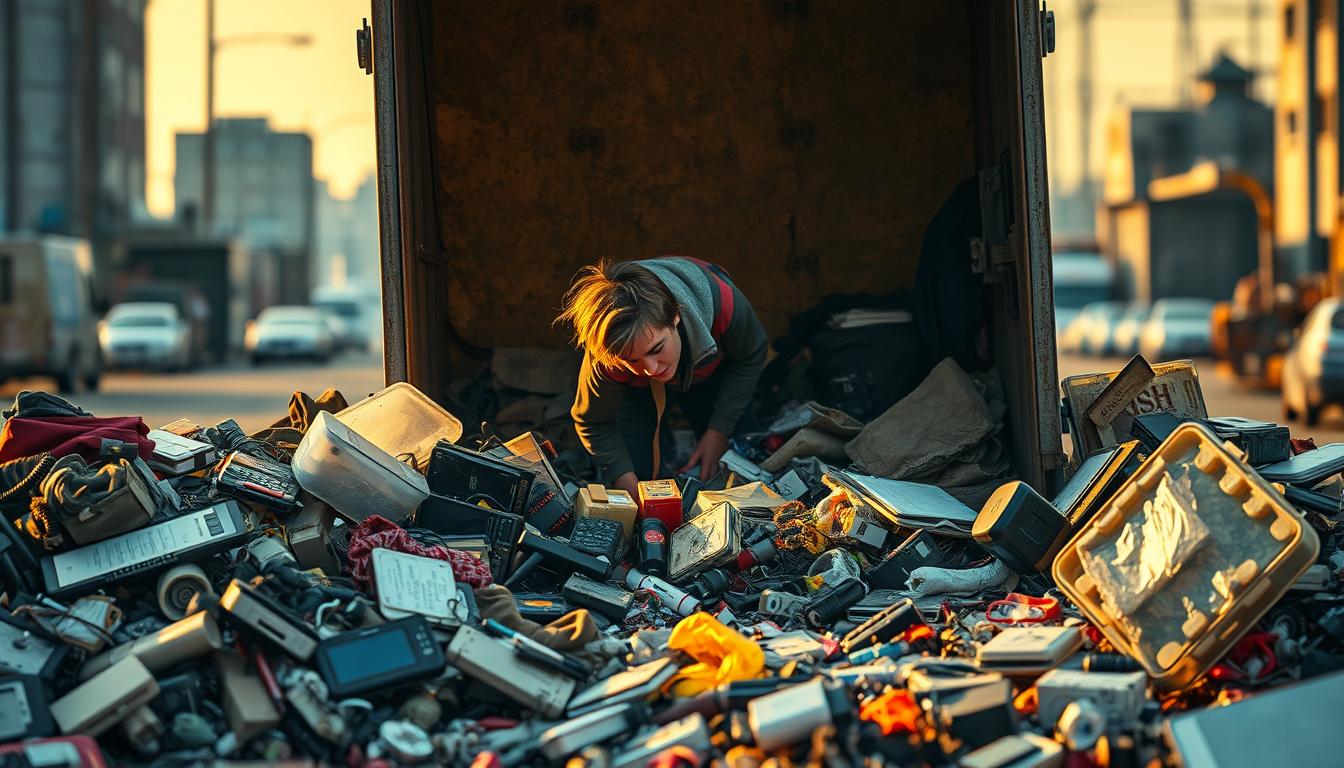
What Can You Find Dumpster Diving ranges from everyday household items to surprising treasures worth hundreds of dollars. Smart divers regularly discover electronics, clothing, furniture, books, and even unopened food items that retailers and individuals have discarded.
The variety of finds depends heavily on your location, timing, and which dumpsters you choose to explore. Residential areas offer different opportunities than commercial districts, and knowing when businesses typically discard items can make the difference between empty-handed trips and valuable discoveries.
TL;DR
- Electronics like phones, laptops, and gaming consoles account for 30% of valuable dumpster finds according to experienced divers.
- Furniture and home decor items are most commonly found on weekends when people do major cleanouts.
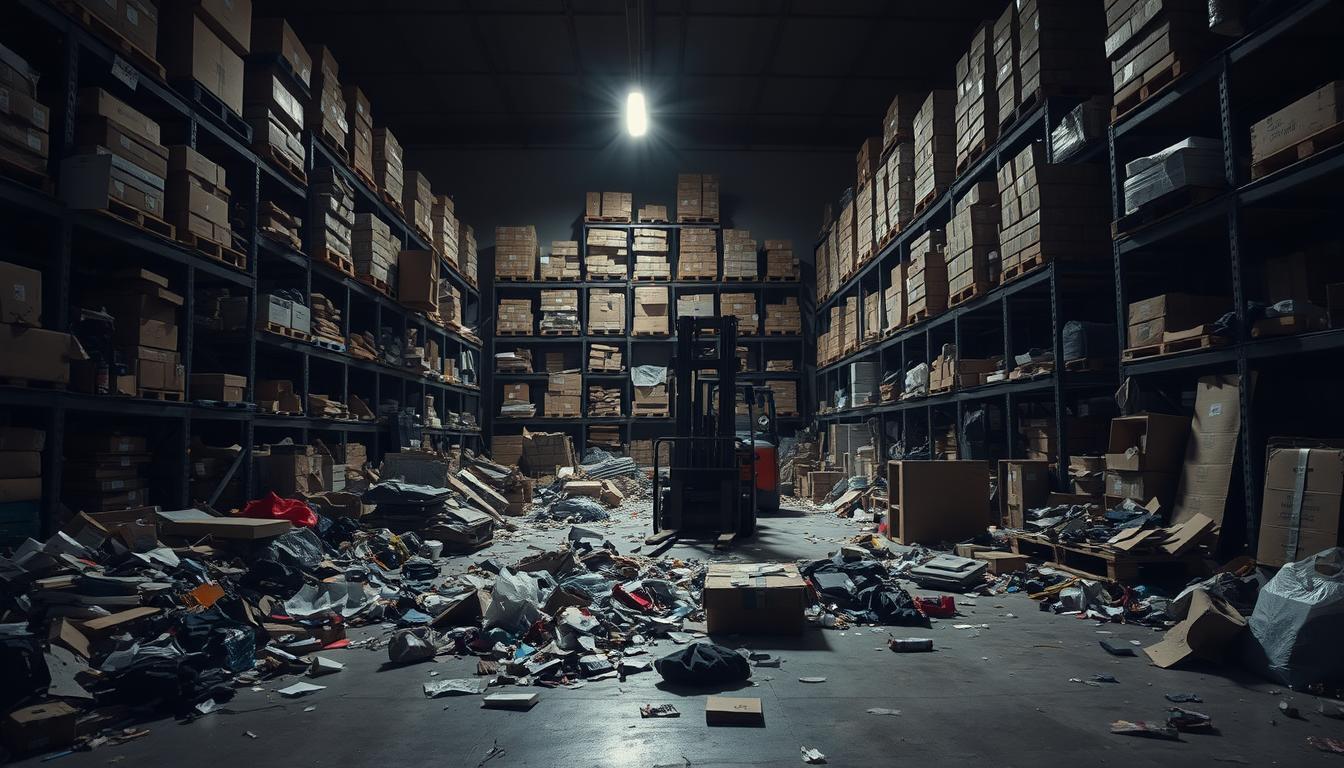
- Retail locations discard $165 billion worth of returned merchandise annually, much of it still in sellable condition.
- Peak diving seasons are move-out periods (May-August), post-holidays (January), and spring cleaning months (March-April).
What Can You Find Dumpster Diving
The most common finds include clothing, books, small appliances, and household items that people discard during moves or decluttering sessions. These everyday items might not seem exciting, but they often represent the bulk of what makes dumpster diving financially worthwhile for regular practitioners.
Higher-value discoveries require more strategic thinking about location and timing. Electronics retailers like Best Buy sometimes discard returned items that only need minor repairs, while furniture stores may throw away pieces with small cosmetic damage.
Electronics and Technology
Consumer electronics represent some of the most valuable dumpster diving finds. People frequently discard working devices when upgrading to newer models, and retailers throw away returned electronics that are too costly to restock.
- Smartphones and tablets – often discarded with cracked screens but working internals worth $50-200.
- Laptops and computers – may need simple repairs like new hard drives or RAM upgrades.
- Gaming consoles – older systems like PlayStation 3 or Xbox 360 still hold resale value.
- Small appliances – coffee makers, blenders, and kitchen gadgets often work perfectly.
- Audio equipment – speakers, headphones, and stereo systems frequently just need cleaning.
Best Locations for Electronics
Technology finds cluster around specific types of businesses and residential areas. Apartment complexes near colleges yield laptops and gaming equipment during move-out periods, while office buildings discard outdated but functional computer equipment.
Clothing and Accessories
Fashion items make up a huge percentage of dumpster diving discoveries because people constantly update their wardrobes. Major retailers like Target often discard returned clothing that’s perfectly wearable but can’t be resold.
- Designer clothing – brand name items worth $100+ retail often appear in upscale neighborhood dumpsters.
- Shoes and boots – especially athletic shoes and work boots that retail for $80-300.
- Accessories – handbags, jewelry, watches, and belts in excellent condition.
- Seasonal items – winter coats, holiday sweaters, and summer clothing during season changes.
Furniture and Home Goods
Large furniture pieces represent some of the most immediately useful finds for people furnishing homes on a budget. College towns and affluent neighborhoods produce the best furniture finds during specific times of year.
- Research timing. End of semester moves (May-August) and spring cleaning (March-April) produce the most furniture.
- Check construction dumpsters. Renovation projects often discard cabinets, fixtures, and building materials worth hundreds.
- Focus on upscale areas. Wealthy neighborhoods discard higher-quality furniture more frequently.
Transport Large Items Safely
Always bring a truck or trailer for furniture finds, and inspect pieces thoroughly for bed bugs or structural damage before taking them home. Heavy items require two people to move safely.
Common Furniture Finds
Certain furniture types appear more frequently because they’re either easily damaged during moves or quickly replaced when people redecorate. Sofas, chairs, and tables make up about 60% of large item discoveries.
Food and Grocery Items
Grocery stores and restaurants discard enormous amounts of perfectly edible food daily due to expiration dates, cosmetic imperfections, or overstocking. Stores like Trader Joe’s are known for throwing away products that are still safe to eat.
Safety becomes the primary concern with food finds. Only take packaged items that are clearly unopened, avoid anything with damaged packaging, and never consume expired dairy or meat products.
- Packaged goods – canned foods, pasta, rice, and dry goods past sell-by dates but still safe.
- Bread and baked goods – day-old items that bakeries discard daily.
- Produce – fruits and vegetables with minor blemishes that are still perfectly edible.
- Beverages – bottled water, sodas, and juices in undamaged containers.
Books and Media
Educational institutions, libraries, and bookstores regularly discard books that still have significant value. College campuses produce textbooks worth $50-300 each during certain times of year.
Media collections often include DVDs, CDs, and video games that people clear out during moves. Gaming stores like GameStop sometimes discard promotional materials and older games that still have collector value.
Seasonal and Holiday Items
Retail stores clear out seasonal merchandise at predictable times, creating opportunities for divers who know when to look. Post-holiday periods produce decorations, costumes, and seasonal clothing at zero cost.
The key is timing your searches for the week after major holidays when stores need to clear inventory quickly. Evening searches often work better since stores typically clear seasonal items after closing.
Articles You May Like
Frequently Asked Questions
What are the most valuable items found dumpster diving?
Electronics like smartphones, laptops, and gaming consoles typically offer the highest resale value, often worth $50-500 each.
Is food from dumpsters safe to eat?
Only packaged, unopened items in undamaged containers should be considered, and you should never eat expired dairy, meat, or anything with broken packaging. The FDA provides guidelines for determining food safety.
When is the best time to find furniture?
College move-out periods from May through August and spring cleaning months in March and April produce the most furniture finds.
What should I avoid taking from dumpsters?
Never take medications, chemicals, broken glass, damaged electronics with exposed wiring, or anything that could pose health risks.
Final Thoughts
What Can You Find Dumpster Diving includes a surprising range of valuable items that people and businesses discard daily. Success comes from understanding timing, choosing the right locations, and focusing on items you can actually use or resell.
Start with residential areas during move-out seasons and expand to commercial locations as you gain experience and knowledge about local patterns.