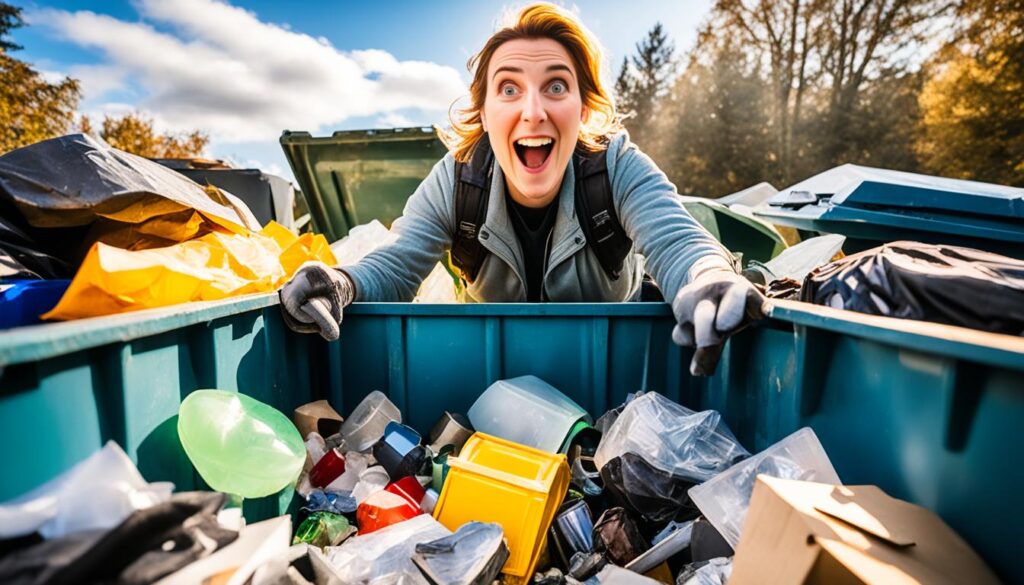
Why Dumpster Diving has become increasingly popular as people discover the surprising benefits of this resourceful practice. From saving money to reducing waste, dumpster diving offers compelling reasons for those willing to explore this unconventional approach to finding useful items.
Modern society discards enormous amounts of perfectly good items daily, creating opportunities for those who understand the value hidden in what others throw away. The practice extends far beyond simple treasure hunting — it represents a practical response to waste culture and rising living costs.
TL;DR
- Americans throw away $165 billion worth of food annually, with much still edible and safe to consume.
- Retail stores discard merchandise worth over $60 billion yearly due to minor packaging damage or overstock.
- Dumpster diving can reduce household expenses by 30-50% for families who practice it regularly.
- The practice diverts an estimated 2.5 million tons of usable items from landfills each year through recovery efforts.
Why Dumpster Diving Makes Financial Sense
The most immediate benefit of dumpster diving is the significant cost savings. Many people discover they can dramatically reduce their monthly expenses by finding perfectly usable items that others have discarded.
Food costs represent one of the largest potential savings areas. Location-specific strategies can help you identify grocery stores and restaurants that frequently discard quality food items due to expiration dates, overstocking, or minor cosmetic issues.
- Grocery savings – Fresh produce, packaged goods, and dairy products often get discarded days before actual spoilage.
- Household items – Cleaning supplies, personal care products, and home goods frequently appear in retail dumpsters.
- Electronics – Stores discard returned items that work perfectly but have damaged packaging.
- Clothing – Fashion retailers throw away seasonal items and slightly damaged merchandise.
Environmental Impact and Sustainability
Dumpster diving directly addresses the growing problem of waste in modern society. Every item recovered represents resources saved and environmental impact reduced.
The environmental benefits extend beyond individual finds. Sustainable living practices show how recovered items can support long-term environmental goals through reduced consumption and creative reuse.
Waste Reduction Benefits
- Landfill diversion – Every recovered item prevents landfill accumulation and associated environmental problems.
- Resource conservation – Finding usable items reduces demand for new manufacturing and raw materials.
- Carbon footprint reduction – Less new production means lower energy consumption and transportation needs.
- Water conservation – Manufacturing reduction saves the enormous amounts of water used in production processes.
Building Practical Life Skills
Regular dumpster diving develops valuable skills that extend beyond finding free items. The practice teaches resourcefulness, problem-solving, and practical evaluation abilities.
Successful dumpster diving requires planning, timing, and strategic thinking. These skills transfer to other areas of life, making people more resourceful and less dependent on traditional consumer patterns.
- Assessment skills. Learning to quickly evaluate item condition and potential value builds practical judgment.
- Planning abilities. Successful diving requires route planning, timing consideration, and preparation.
- Repair knowledge. Many finds require minor fixes, developing hands-on repair and maintenance skills.
- Creative thinking. Finding new uses for discarded items builds innovative problem-solving abilities.
Start Small for Best Results
Begin with retail locations during business hours to observe disposal patterns and timing. This builds confidence while learning what types of items different businesses typically discard.
Community and Social Benefits
Dumpster diving often creates unexpected community connections and social opportunities. Many practitioners share finds with neighbors, donate to local charities, or participate in online communities dedicated to waste reduction.
The practice can strengthen community bonds by providing resources for those in need and creating networks of people committed to reducing waste. Amazing discovery stories often involve helping others or contributing to community causes.
Social Impact Areas
- Charity contributions – Many divers donate excess finds to food banks, shelters, and community organizations.
- Neighborhood sharing – Recovered items often benefit neighbors and local families.
- Educational opportunities – Demonstrations and workshops help spread waste reduction awareness.
- Economic relief – Free resources provide genuine help for families facing financial difficulties.
Personal Growth and Mindset Changes
Many people report that dumpster diving fundamentally changes their relationship with consumption and waste. The practice reveals the true scale of modern waste and encourages more thoughtful purchasing decisions.
This shift in perspective often leads to broader lifestyle changes. People become more conscious consumers, better at maintaining possessions, and more creative in finding solutions to everyday problems.
Mindset Benefits
- Reduced materialism – Seeing constant waste flow reduces attachment to new purchases and brand names.
- Increased gratitude – Finding useful items for free builds appreciation for basic necessities.
- Problem-solving confidence – Regular success at finding solutions builds general confidence in handling challenges.
- Independence mindset – Reduced reliance on traditional retail builds self-reliance and alternative thinking.
Health and Safety Considerations
While dumpster diving offers numerous benefits, success requires attention to safety and hygiene. Understanding proper techniques and precautions ensures positive experiences while minimizing risks.
Maximizing efficiency tips include safety protocols that protect health while improving results. Proper preparation and technique make the practice both safer and more productive.
- Protective equipment. Gloves, closed shoes, and appropriate clothing prevent cuts and contamination.
- Food safety knowledge. Understanding expiration dates, storage conditions, and signs of spoilage ensures safe consumption.
- Legal awareness. Knowing local laws prevents legal problems and ensures respectful practice.
- Hygiene practices. Proper cleaning and sanitizing of finds maintains health standards.
Creative and Artistic Opportunities
Dumpster diving provides endless materials for creative projects and artistic expression. Many artists and crafters rely on discarded materials to fuel their creative work while keeping costs minimal.
Creative upcycling projects demonstrate how recovered items become beautiful and functional pieces through imagination and skill. This creative aspect adds enjoyment while building practical abilities.
Creative Applications
- Art materials – Canvas, frames, paints, and supplies frequently appear in retail and office dumpsters.
- Craft supplies – Fabric, hardware, containers, and decorative items support various projects.
- Home decoration – Furniture and decor pieces can be restored or repurposed for unique home styling.
- Garden materials – Planters, soil, and garden tools support sustainable gardening practices.
Articles You May Like
Frequently Asked Questions
Is dumpster diving actually legal?
Legality varies by location, but it’s generally legal on public property once items reach the curb. Always check local ordinances and respect private property restrictions.
What are the best times to go dumpster diving?
Early morning before trash pickup and evening after business closures typically offer the best opportunities. Timing varies by location and business type.
How do you know if found food is safe to eat?
Check expiration dates, inspect for damage or spoilage signs, and understand the difference between “best by” and “use by” dates. When in doubt, don’t consume.
What equipment do you need for dumpster diving?
Essential items include heavy gloves, flashlight, hand sanitizer, reusable bags, and appropriate clothing. A reaching tool can also be helpful for safety.
Can dumpster diving really save significant money?
Yes, regular practitioners often reduce household expenses by 30-50% through recovered food, household items, and other necessities.
Final Thoughts
Why Dumpster Diving resonates with people seeking practical solutions to rising costs and environmental concerns. The practice offers genuine benefits ranging from financial savings to creative opportunities while addressing the enormous waste problem in modern society.
Start exploring this resourceful practice with basic safety preparation and local legal research. The combination of practical benefits and positive environmental impact makes dumpster diving an increasingly relevant skill for conscious consumers.