Why People Start Dumpster Diving varies from person to person, but the reasons often share common themes of financial necessity, environmental concern, and the thrill of discovery. What begins as curiosity about what others throw away can quickly become a regular practice that saves money and reduces waste.
Most people discover dumpster diving through online communities, friends, or out of genuine need during tough financial times. The practice offers immediate benefits – from finding usable items to reducing household expenses – while also connecting people to broader issues about waste and consumption in modern society.
TL;DR
- Over 40% of food in America gets thrown away annually, making dumpster diving an effective way to rescue perfectly good items.
- New divers can save $100-300 monthly on groceries, household items, and clothing through regular diving.
- Peak diving hours are typically Sunday evenings through Tuesday mornings when stores discard weekly inventory.
- Most successful divers start with 2-3 consistent locations near their home before expanding their routes.
Why People Start Dumpster Diving
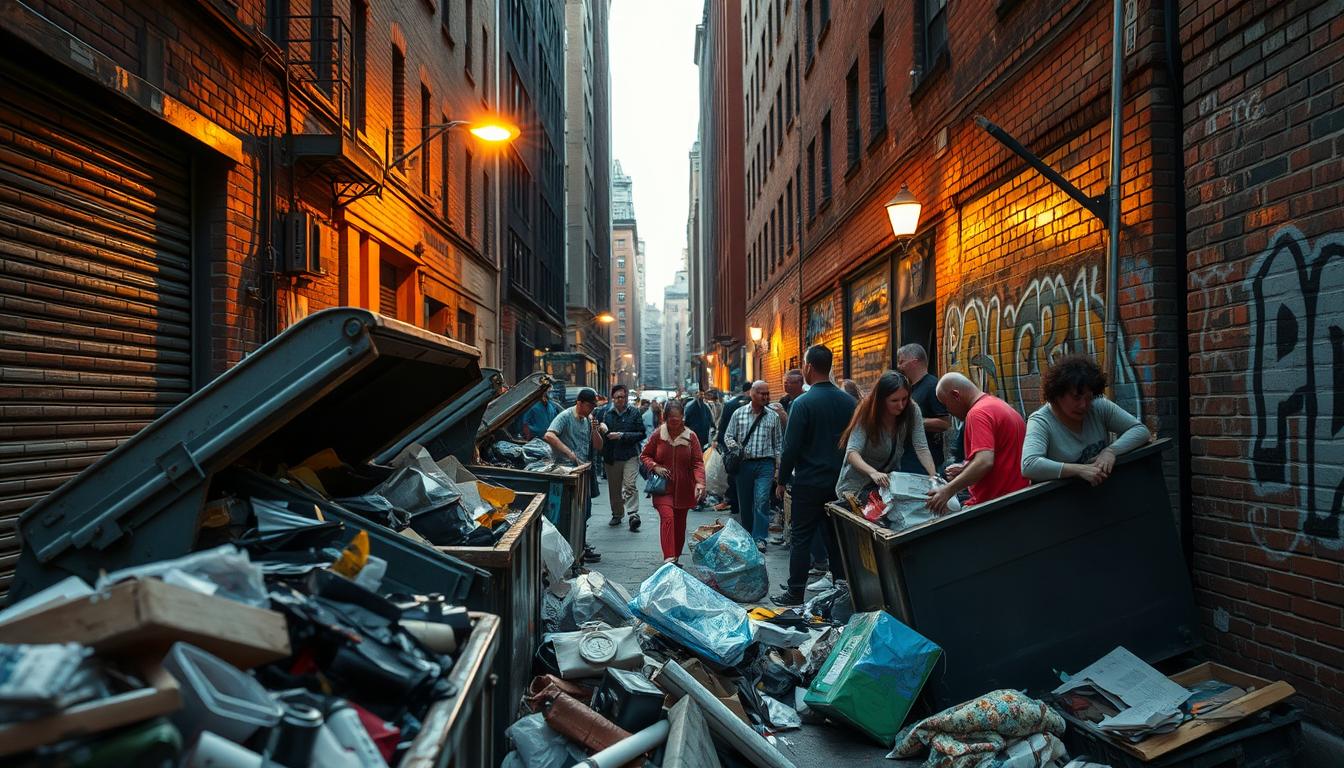
Financial pressure drives many people to their first dumpster diving experience. College students, families on tight budgets, and people between jobs often discover that stores throw away items they desperately need.
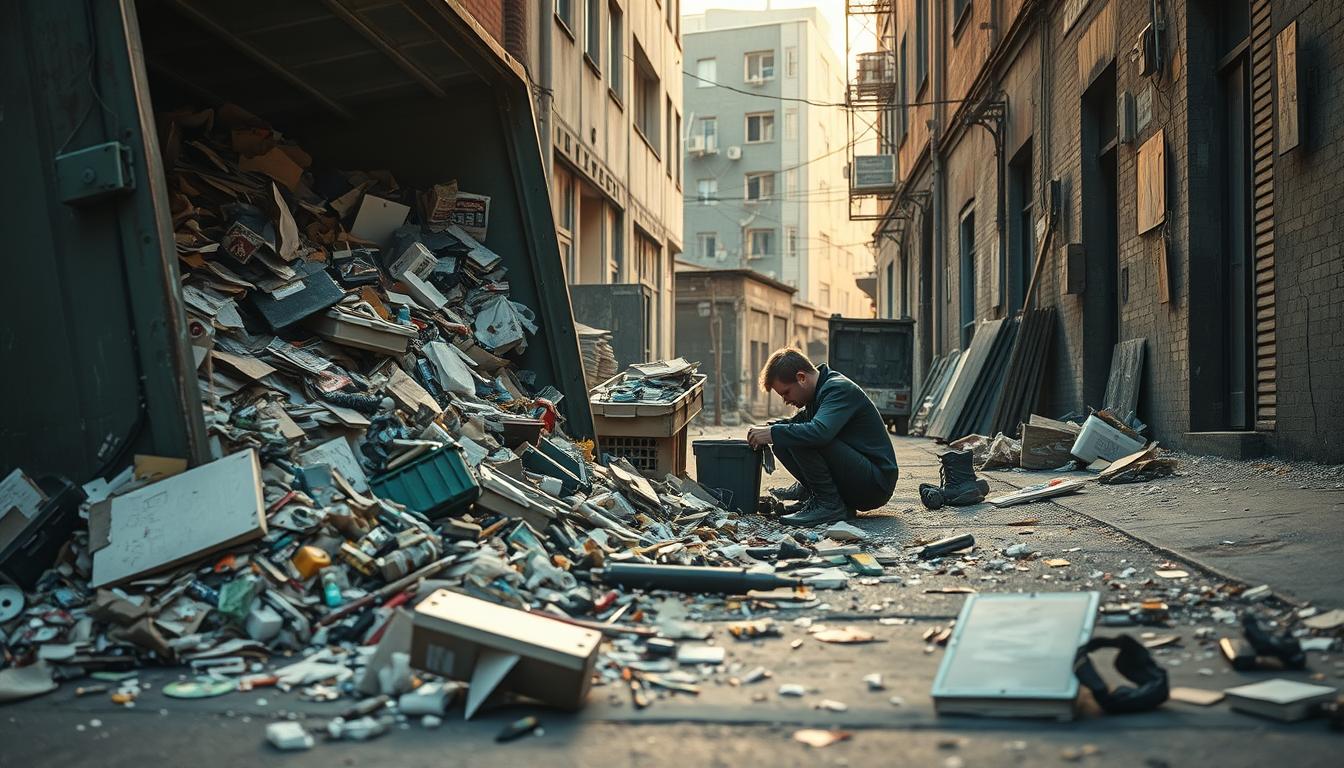
The shock of finding perfectly good food, electronics, or clothing in dumpsters motivates people to return. Many report feeling angry about waste while simultaneously grateful for the opportunity to claim useful items without cost.
Economic Motivations
Rising costs of living make free resources increasingly attractive to people across all income levels. Dumpster diving offers immediate relief from expenses that strain household budgets.
- Grocery savings – Fresh produce, packaged foods, and household items that stores discard for minor cosmetic issues.
- Clothing finds – Returned items, seasonal clearance, and overstock that retailers cannot sell.
- Electronics recovery – Working devices discarded due to newer models or minor defects.
- Home goods – Furniture, appliances, and decor items that need minimal repair or cleaning.
Environmental Consciousness
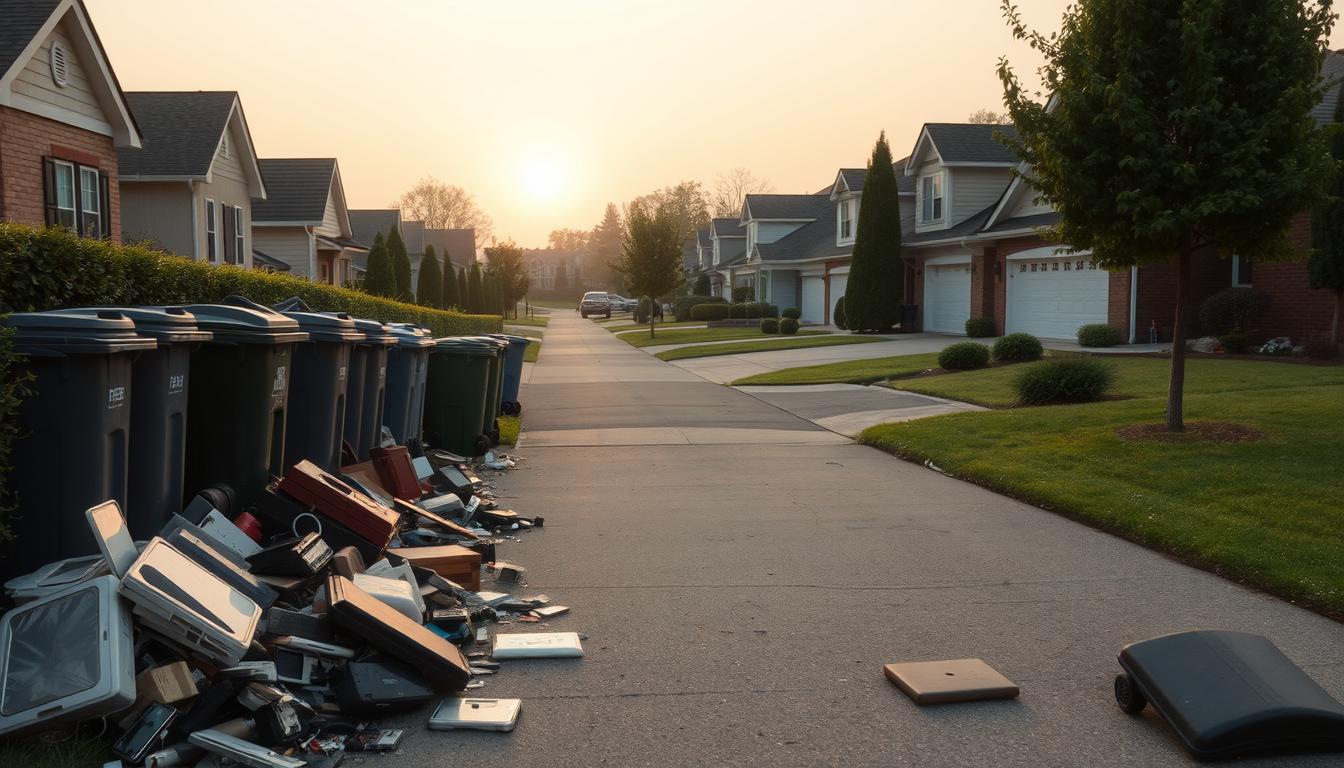
Many people start diving after learning about the massive scale of consumer waste in developed countries. According to the EPA’s waste management data, Americans generate over 292 million tons of municipal solid waste annually. The environmental impact of throwing away usable items motivates people to take direct action.
Seeing perfectly good items headed to landfills creates a sense of urgency about waste reduction. Dumpster diving becomes a form of environmental activism that provides tangible results while raising awareness about consumption patterns.
Waste Reduction Benefits
Every item rescued from a dumpster represents materials, energy, and resources saved from waste streams. Regular divers develop a keen awareness of how much perfectly usable material gets discarded daily.
- Immediate impact. Each dive session can rescue dozens of items from landfills while providing useful goods.
- Education value. Diving reveals the true scale of waste production in retail and food service industries.
- Community benefit. Sharing finds with others extends the positive impact beyond individual households.
The Thrill of Discovery
The unpredictable nature of dumpster diving appeals to people who enjoy treasure hunting and problem-solving. Each dive offers the potential for surprising finds that make the effort worthwhile.
Success stories spread through communities and online forums, inspiring others to try diving themselves. Amazing discoveries like electronics, jewelry, and collector items fuel continued interest in the practice.
Start Small and Legal
Begin with locations that clearly allow access and focus on safety over quantity. Research local laws and store policies before your first dive to avoid legal issues.
Social and Community Factors
Many people discover dumpster diving through friends, family, or online communities that share tips and locations. Platforms like Reddit’s dumpster diving community provide support and knowledge sharing for newcomers. The social aspect creates accountability and safety through group diving experiences.
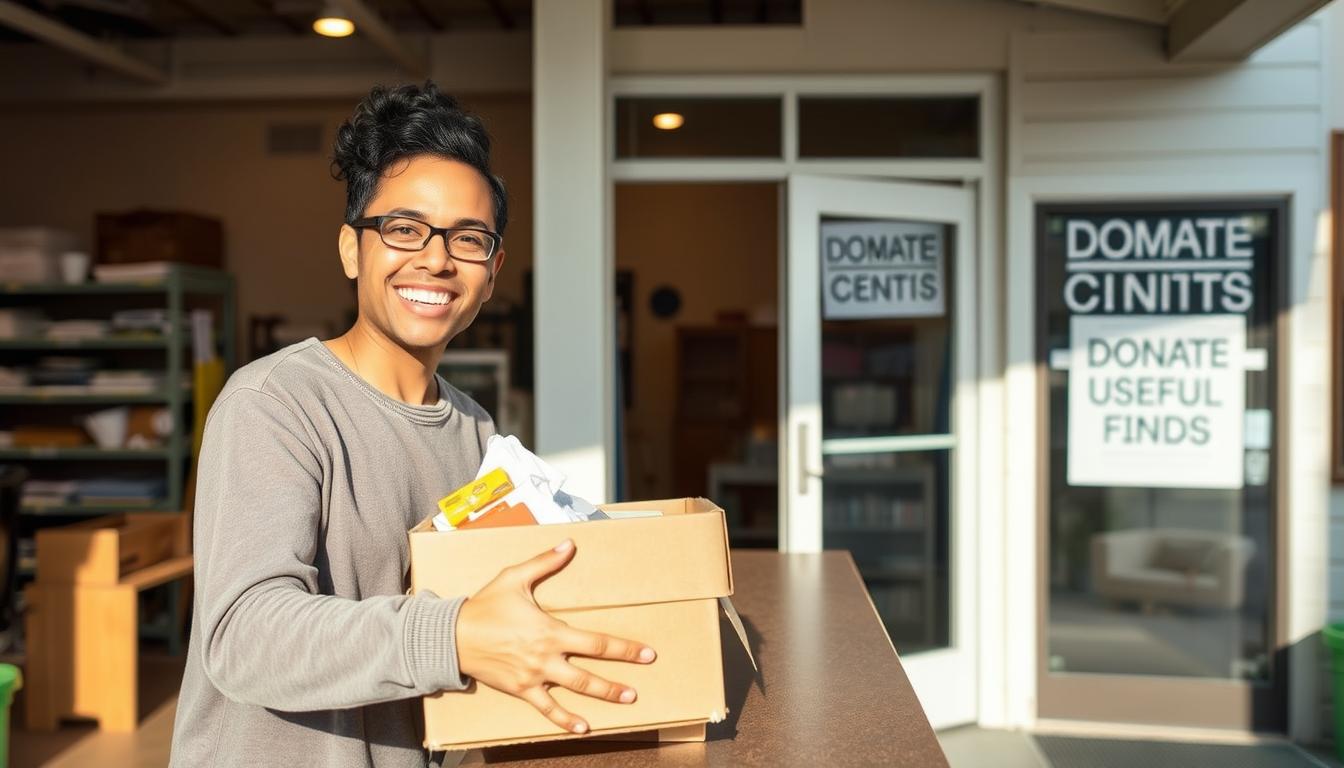
Community sharing amplifies the benefits of diving when people distribute finds among neighbors and friends. This collaborative approach builds relationships while maximizing the utility of rescued items.
Learning from Others
Experienced divers often mentor newcomers, sharing knowledge about the best locations and techniques for successful finds. This mentorship reduces the learning curve and improves safety for beginners.
- Safety protocols – Proper clothing, tools, and techniques to avoid injury during dives.
- Location scouting – How to identify productive dumpsters while respecting private property.
- Legal knowledge – Understanding local laws and store policies to avoid trespassing issues.
- Processing finds – Cleaning, testing, and safely using discovered items.
Getting Started Safely
New divers benefit from starting with a structured approach that prioritizes safety and legality. Understanding local regulations and choosing appropriate locations prevents problems while building confidence.
Successful diving requires the right mindset and preparation. Essential safety gear and techniques protect divers while maximizing their chances of finding useful items.
Initial Preparation Steps
Proper preparation prevents disappointment and safety issues during first diving experiences. Research and planning create better outcomes for new divers.
- Legal research. Check local ordinances and store policies before visiting any locations.
- Safety gear. Invest in work gloves, sturdy shoes, and a good flashlight for safe diving.
- Route planning. Identify 3-4 potential locations and visit during daylight to assess accessibility.
- Timing strategy. Learn store schedules and waste collection times to maximize finding opportunities.
Articles You May Like
Frequently Asked Questions
Is dumpster diving legal everywhere?
Dumpster diving legality varies by location and specific circumstances. Check local ordinances and respect private property rules to avoid legal issues.
What safety equipment do I need for dumpster diving?
Essential safety gear includes work gloves, closed-toe shoes, a flashlight, and first aid supplies. Some divers also use grabbers to avoid direct contact with waste.
How do I find good dumpster diving locations?
Start with retail stores, grocery chains, and restaurants in your area. Scout locations during daylight hours and observe waste collection schedules to time your visits.
What should I avoid when dumpster diving?
Avoid private residential dumpsters, locked containers, and areas marked “No Trespassing.” Never dive alone and stay away from hazardous materials or medical waste.
How do I clean and sanitize dumpster finds?
Clean all items thoroughly with appropriate sanitizers before use. Food items should be carefully inspected for safety, while non-food items can be cleaned with standard household products.
Final Thoughts
Why People Start Dumpster Diving reflects broader concerns about waste, economic pressure, and environmental responsibility in modern society. Whether driven by financial need, environmental consciousness, or simple curiosity, people discover that diving offers practical benefits while addressing larger issues.
Start with research and safety preparation to make your first diving experiences productive and legal. The practice can provide significant household savings while contributing to waste reduction efforts in your community.