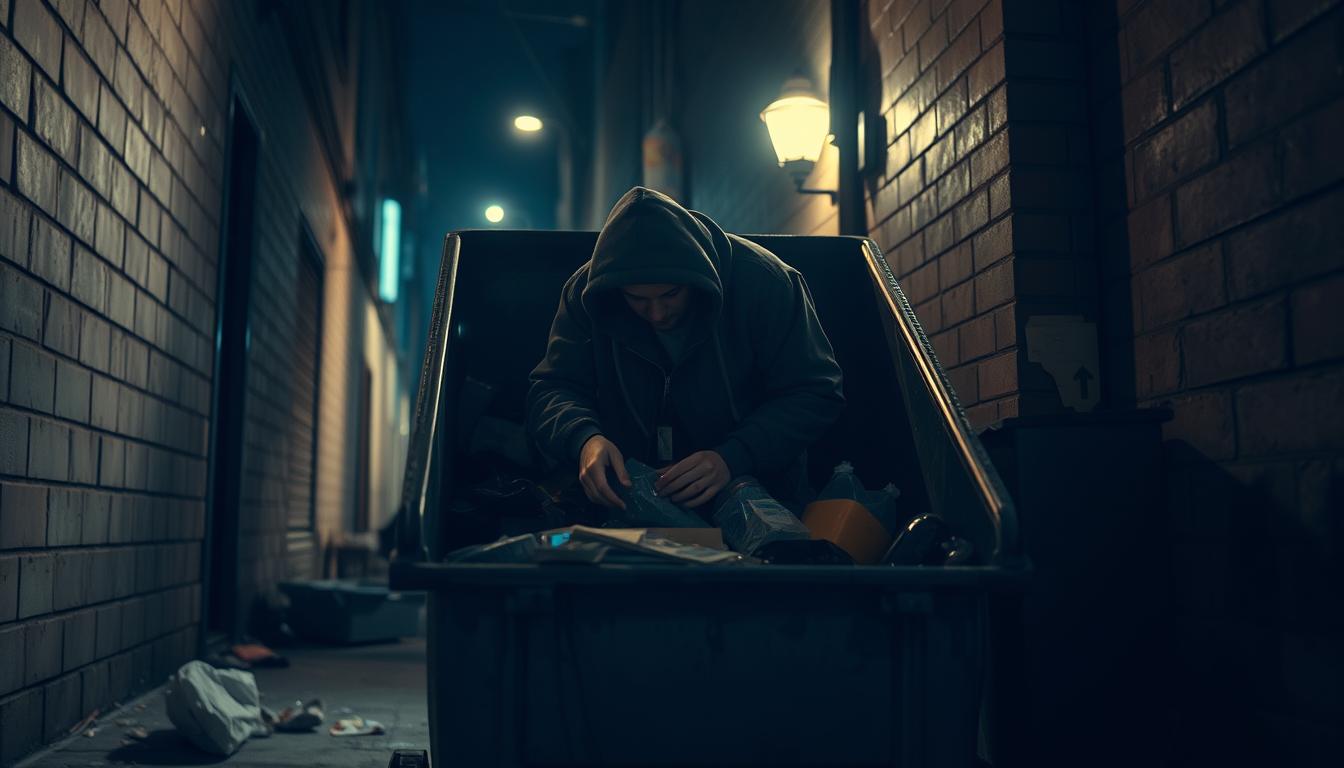
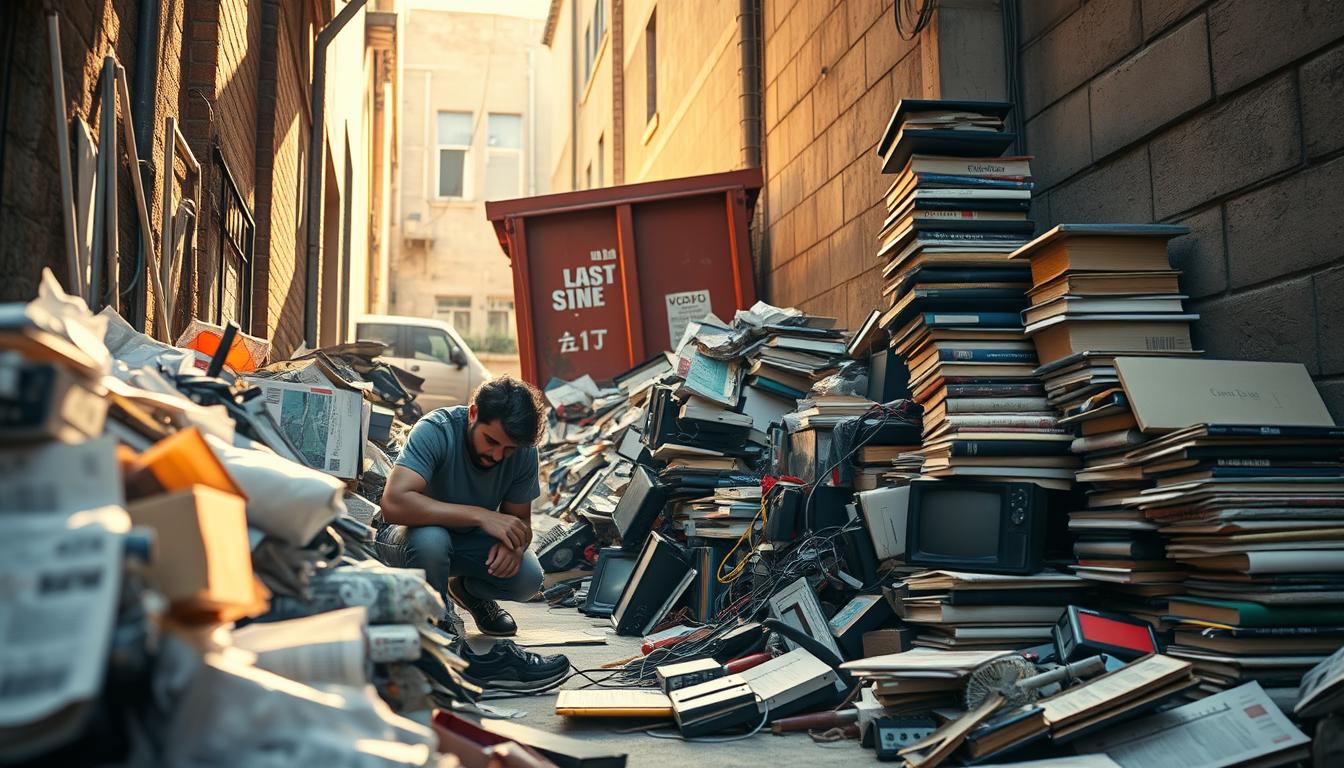
Your First Dive can feel overwhelming when you’re standing outside that first dumpster wondering where to begin. Getting started with dumpster diving requires the right preparation, knowledge of local laws, and basic safety equipment to make your experience both productive and safe.
Most beginners make costly mistakes by diving in unprepared or choosing the wrong locations for their first attempts. This guide walks you through every step needed to start dumpster diving successfully while avoiding common pitfalls that discourage new divers.
TL;DR
- Start with residential areas on trash pickup days – typically Sunday evenings or Monday mornings for best finds.
- Bring 4 essential items: heavy work gloves, flashlight, hand sanitizer, and plastic bags for collecting items.
- Check your local laws first – 37 states allow dumpster diving on public property but city ordinances vary widely.
- Focus on apartment complexes and college dorms during move-out seasons for furniture, electronics, and household items worth $50-200 per trip.
Your First Dive Preparation Checklist
Success in dumpster diving starts with proper preparation before you leave your house. Research your target areas during daylight hours to identify the best dumpsters and plan your route efficiently.
Create a basic kit with these must-have items for every diving trip:
- Heavy work gloves – protect your hands from sharp objects and broken glass.
- LED flashlight or headlamp – essential for seeing inside dark dumpsters safely.
- Hand sanitizer and wet wipes – clean your hands immediately after handling items.
- Large plastic bags or containers – collect and transport your finds easily.
- Old clothes and closed-toe shoes – wear items you don’t mind getting dirty or damaged.
- First aid supplies – bandages and antiseptic for minor cuts or scrapes.
Understanding Legal Boundaries
Before you start diving, you need to understand the legal landscape in your specific location. While dumpster diving is legal in most places once trash reaches public property, local ordinances can override state laws.
Check these key legal points before your first dive:
- State laws. Most states allow dumpster diving on public property, but private property diving requires permission.
- City ordinances. Some cities ban dumpster diving entirely or restrict diving hours to specific times.
- Property boundaries. Stay on public property – sidewalks and alleys are usually safe zones.
- Posted signs. Respect “No Trespassing” and “No Scavenging” signs regardless of state laws.
Research your local laws through city websites or call the non-emergency police line for clarification. The FTC provides guidelines on disposal rights and consumer protections related to discarded materials.
Choosing Your First Locations
The right location makes the difference between finding treasure and wasting your time. Start with residential areas before attempting commercial dumpsters which often have more restrictions.
Best Beginner-Friendly Spots
Target these locations for your first few diving trips:
- Apartment complexes – high turnover means frequent moves and discarded items.
- College dorms – especially during semester endings when students move out quickly.
- Suburban neighborhoods – families often discard working electronics and furniture during cleanouts.
- Office buildings – find office supplies, electronics, and sometimes unopened food from break rooms.
Timing Your First Dive
Timing determines what you’ll find and how safe your diving experience will be. Most residential areas put trash out the evening before pickup day.
Plan your diving schedule around these optimal windows:
- Sunday evenings – many areas have Monday morning pickup, so fresh trash appears Sunday night.
- Early morning hours – 5-7 AM offers good finds before other divers arrive.
- Move-out seasons – end of lease periods (typically end of month) and college semesters.
- Spring cleaning months – April and May when families declutter homes.
Start Small and Build Experience
Choose 2-3 dumpsters for your first trip rather than attempting to cover an entire neighborhood. This lets you focus on proper technique and safety without feeling rushed.
Safety Protocols for New Divers
Your safety comes first – no item is worth getting injured over. Personal Safety Tips for Dumpster Divers: Staying Safe While Scavenging covers advanced safety techniques, but these basics keep beginners protected.
Follow these non-negotiable safety rules on every dive:
- Never climb inside dumpsters. Use tools or your arms to reach items from outside the container.
- Assume sharp objects are present. Move slowly and feel carefully before grabbing items.
- Avoid diving alone. Bring a friend for safety and to help spot valuable items.
- Trust your instincts. If a dumpster smells dangerous or looks unstable, move on to the next one.
- Stay aware of surroundings. Watch for traffic, property owners, and other potential hazards.
What Not to Touch
Some items pose serious health risks and should never be handled during dumpster diving:
- Medical waste – needles, bandages, or anything from healthcare facilities.
- Chemical containers – cleaning supplies, paint cans, or industrial chemicals.
- Spoiled food – anything with visible mold, strong odors, or past expiration dates.
- Personal documents – respect privacy and avoid handling mail or financial records.
The CDC’s waste handling guidelines provide official safety standards for dealing with potentially hazardous materials.
Your First Dive Action Plan
Now you’re ready to execute your first successful dumpster diving trip. Follow this step-by-step process to maximize your finds while staying safe.
Pre-Dive Routine
- Check the weather. Avoid diving during rain, snow, or extreme temperatures.
- Inform someone of your plans. Tell a friend your route and expected return time.
- Pack your kit. Double-check that you have all essential supplies.
- Plan your route. Map out 3-5 locations to visit in a logical order.
At Each Dumpster
Use this systematic approach at every dumpster you investigate:
- Observe first. Look around for people, security cameras, or warning signs before approaching.
- Listen for activity. Make sure no one is nearby who might object to your presence.
- Inspect the exterior. Check for damage, instability, or hazardous materials.
- Use your flashlight. Illuminate the contents before reaching inside.
- Work systematically. Start from one side and work across rather than digging randomly.
- Take only what you need. Leave items for other divers if you can’t use them yourself.
What to Expect on Your First Trip
Managing expectations prevents disappointment and keeps you motivated to continue dumpster diving. Your first few trips serve as learning experiences rather than major treasure hunts.
Realistic first-trip outcomes include:
- Small household items – picture frames, books, kitchen utensils, or decorative objects.
- Basic electronics – older phones, cables, small appliances that may need minor repairs.
- Clothing items – jackets, shoes, or accessories in decent condition.
- Office supplies – pens, folders, paper, or basic stationery items.
Don’t expect to find expensive electronics or furniture on your first dive. Scouting The Best Dumpster Locations: Tips for Finding Prime Spots helps you identify locations with better finds as you gain experience.
Building Your Diving Skills
Each dive teaches you something new about timing, locations, and techniques. Keep notes about which areas produce the best finds and what times work best in your location.
Track these details after each trip:
- Location quality – which dumpsters had the most interesting items.
- Time effectiveness – when you found the freshest trash with best selection.
- Competition levels – whether other divers had already been through the area.
- Seasonal patterns – what types of items appear during different times of year.
Articles You May Like
Frequently Asked Questions
Is dumpster diving legal for beginners?
Dumpster diving is legal in most states once trash reaches public property, but you must check local city ordinances which can be more restrictive than state laws.
What should I bring on my first dumpster diving trip?
Bring heavy work gloves, a flashlight, hand sanitizer, plastic bags, and wear old clothes with closed-toe shoes for safety and convenience.
When is the best time for beginners to go dumpster diving?
Sunday evenings and early Monday mornings work best since most residential areas have Monday trash pickup, giving you access to fresh discarded items.
What locations are safest for first-time dumpster divers?
Start with apartment complexes and suburban neighborhoods rather than commercial areas, as residential dumpsters typically have fewer restrictions and security concerns.
How much can beginners expect to find on their first dive?
Realistic first-trip finds include small household items, basic electronics, clothing, and office supplies rather than expensive furniture or high-value electronics.
Final Thoughts
Your First Dive success depends more on preparation and safety than finding expensive items right away. Start with residential areas during optimal timing windows and focus on learning proper techniques before attempting more challenging commercial locations.
Take your first trip this week with a friend and basic safety equipment. Build your skills gradually and you’ll soon discover the rewarding world of dumpster diving treasures.