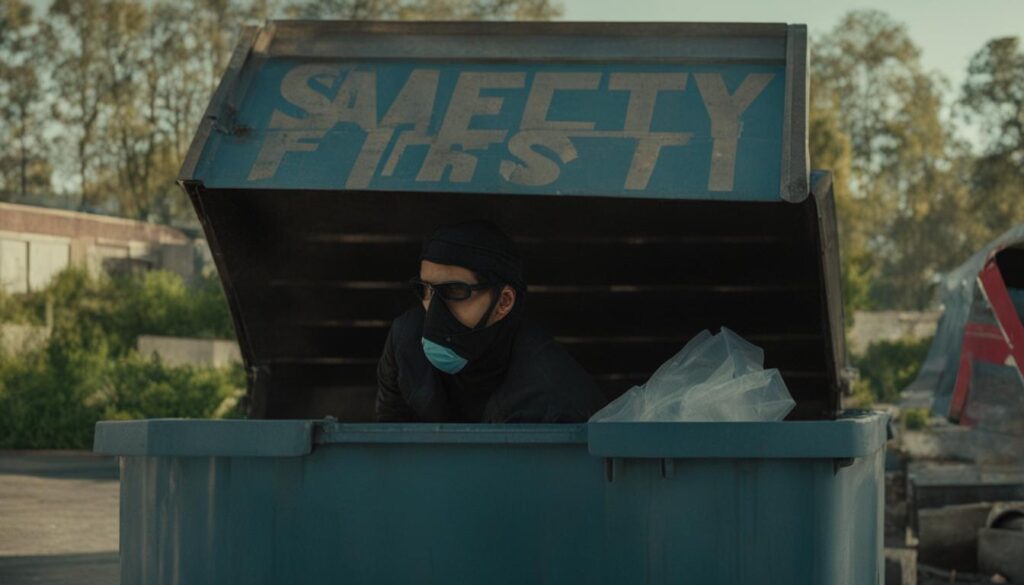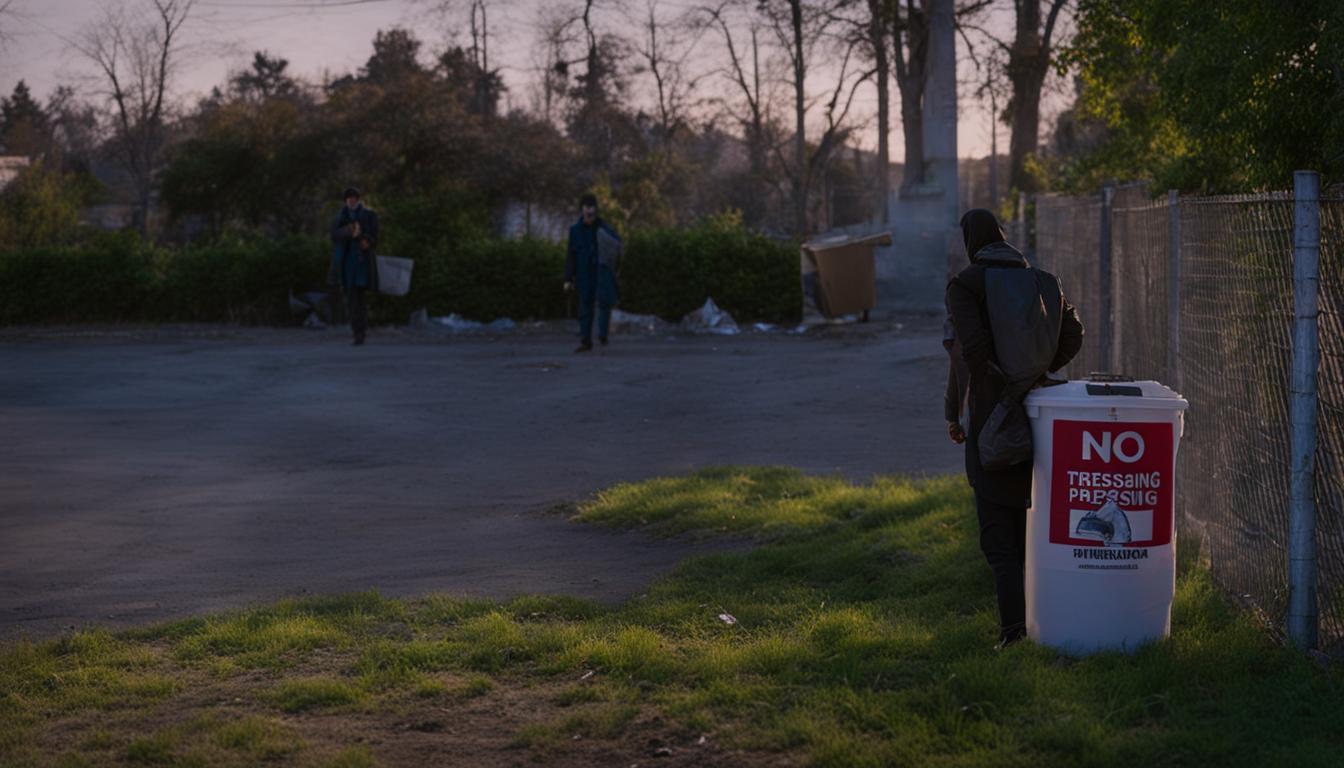
Is It Illegal For Someone To Go Through Your Trash In Indiana depends on where your trash is located and local city ordinances. Indiana follows federal precedent that generally allows trash searches once garbage reaches public property, but the state has specific protections for private property.
Understanding these laws helps protect your privacy and know your rights when dealing with potential trash searchers. Local municipalities often add their own restrictions beyond state law.
TL;DR
- Indiana allows trash searches on public property following the 1988 California v. Greenwood Supreme Court ruling.
- Private property protections mean searching trash on your land without permission is trespassing under Indiana Code 35-43-2-2.
- Many Indiana cities have ordinances prohibiting scavenging with fines ranging from $50 to $500 for violations.
- Police need probable cause or a warrant to search your trash, even on public property in some circumstances.
Is It Illegal For Someone To Go Through Your Trash In Indiana
Indiana trash laws operate under both state statutes and federal court decisions. The state generally follows the 1988 Supreme Court ruling in California v. Greenwood, which established that people have no reasonable expectation of privacy in garbage placed for collection on public property.
However, Indiana provides stronger protections than many states for trash on private property. The state’s trespassing laws explicitly protect against unauthorized searches of items on your land, including garbage containers.
State Law Framework
Indiana Code 35-43-2-2 covers criminal trespass and applies to people entering your property without permission. This includes accessing trash containers on private property like driveways, garages, or within property boundaries.
The law creates a clear distinction between public and private space that many other states handle less clearly. Ohio has similar private property protections but applies them differently in practice.
Where Your Trash Is Located Matters
Location determines your legal protections under Indiana law. The physical placement of your garbage containers directly impacts whether searching them is legal or illegal.
Private Property Protection
Trash containers on your private property receive full legal protection. This includes:
- Driveway containers – Even if visible from the street, these remain on private property.
- Garage storage – Any enclosed or covered storage area maintains privacy expectations.
- Backyard placement – Areas behind fences or within clear property boundaries.
- Attached structures – Containers connected to or near buildings on your property.
Public Property Considerations
Once trash reaches public areas, legal protections change significantly:
- Curb placement – Containers at the street edge typically lose privacy protection.
- Public right-of-way – Areas owned by the city or county offer no privacy expectation.
- Collection points – Designated pickup locations usually count as public space.
- Alley placement – Depends on whether the alley is public or private property.
Local Municipal Rules
Many Indiana cities add their own restrictions beyond state law. These local ordinances often provide additional protections or impose specific penalties for trash searching.
Common City Ordinances
Indianapolis, Fort Wayne, and other major cities typically prohibit scavenging through municipal codes:
- Check city websites. Most municipalities post current ordinances online with specific language about trash interference.
- Contact local police. Ask about enforcement policies and how they handle trash-related complaints.
- Review HOA rules. Homeowners associations often have additional restrictions about trash handling.
Penalties range from warning notices to fines between $50 and $500 for first-time violations. Illinois cities often impose similar local restrictions with comparable fine structures.
Check Your Collection Day Timing
Place trash containers out as close to collection time as possible and retrieve them quickly afterward. This minimizes the window when they’re legally accessible on public property.
Police Search Authority
Law enforcement has different rules than private citizens when searching trash. Indiana courts have upheld police authority to search garbage in public areas without warrants, but specific circumstances can change requirements.
When Police Need Warrants
Even for public property trash, police may need warrants in these situations:
- Ongoing investigations – Systematic surveillance may require judicial approval.
- Private property access – Any search requiring entry onto private land needs permission or warrants.
- Constitutional challenges – Defense attorneys can argue privacy expectations in specific cases.
Protecting Your Privacy
Several practical steps help protect your privacy regardless of legal technicalities. These methods work within Indiana law while minimizing exposure to searches.
Physical Security Measures
- Secure containers – Use locking trash cans or bins with tight-fitting lids.
- Private storage – Keep containers in garages or sheds until collection day.
- Shredding documents – Destroy sensitive papers before disposal.
- Double-bagging – Make contents less accessible and visible.
Timing Strategies
Smart timing reduces vulnerability windows significantly. Place containers out the morning of collection rather than the night before when possible.
Many trash services provide specific pickup time windows that help you minimize public exposure. Michigan residents use similar timing strategies to protect their privacy effectively.
Articles You May Like
Frequently Asked Questions
Can my neighbor legally go through my trash in Indiana?
Only if your trash is on public property like the curb. If containers are on your private property, including your driveway, neighbors cannot legally search them without your permission.
What should I do if someone is searching my trash?
Document the incident with photos or video if safe to do so, then contact local police. If the searching occurs on your private property, it likely violates Indiana trespassing laws.
Do apartment complex dumpsters have different rules?
Yes, apartment dumpsters are typically considered private property belonging to the complex owner. Unauthorized searching usually violates both trespassing laws and lease agreements.
Can police search my trash without telling me?
Police can search trash on public property without notification in most cases. However, they cannot trespass on private property to access containers without warrants or probable cause.
Are recycling bins treated the same as regular trash?
Indiana law generally treats recycling containers the same as regular trash. Location determines protection level – private property placement offers more legal protection than public placement.
Final Thoughts
Is It Illegal For Someone To Go Through Your Trash In Indiana depends primarily on container location and local ordinances. Private property provides strong legal protection, while public placement reduces privacy expectations significantly.
Check your specific city’s ordinances and consider practical privacy measures like secure containers and strategic timing. When in doubt, consult local authorities about enforcement policies in your area.