Safety Essentials for Dumpster Diving can make the difference between a successful treasure hunt and a dangerous situation. Understanding how to protect yourself while exploring discarded items is crucial for anyone interested in this money-saving hobby.
Whether you’re looking to find valuable items to resell or simply reduce waste, proper safety measures will help you dive with confidence. Smart preparation and the right equipment can turn dumpster diving into a safe and rewarding experience.
TL;DR
- Wear thick work gloves and closed-toe boots to protect against sharp objects and contaminated materials.
- Check local laws first – penalties for trespassing can range from $50 fines to 30 days in jail depending on your area.
- Target residential pickup days and business closing hours for the freshest discarded items and fewer witnesses.
- Bring a flashlight, hand sanitizer, and first aid kit as standard safety equipment for every dive.
Safety Essentials for Dumpster Diving
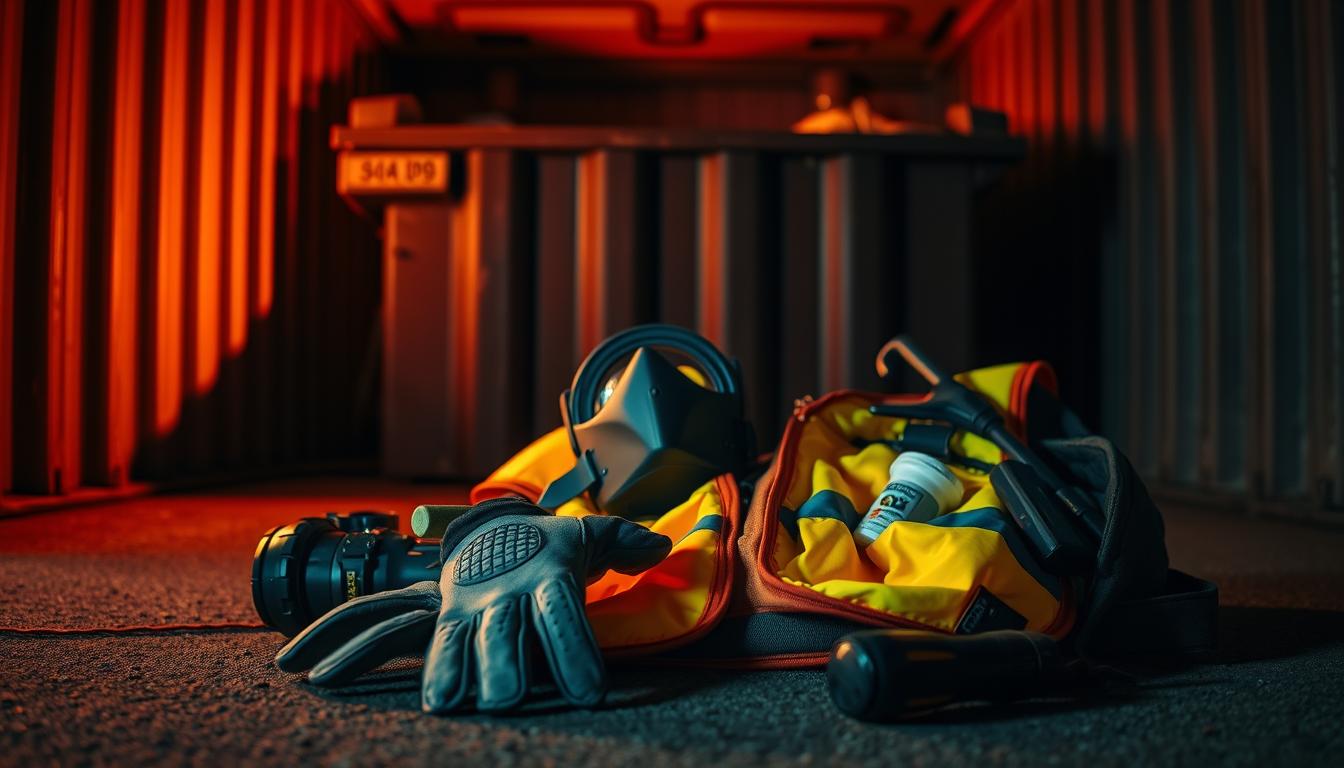
Your safety equipment forms the foundation of successful dumpster diving. The right gear protects you from both physical hazards and legal trouble while maximizing your chances of finding valuable items.
Start with protective clothing that covers your entire body. Thick work gloves prevent cuts from broken glass and metal edges while keeping your hands clean from unsanitary waste.
Essential Protective Equipment
- Heavy-duty gloves – Choose puncture-resistant materials like leather or thick rubber.
- Steel-toed boots – Protect your feet from sharp objects and provide stable footing on uneven surfaces.
- Long pants and sleeves – Create a barrier against cuts, scrapes, and contaminated materials.
- Safety glasses – Shield your eyes from dust, debris, and unexpected splashes.
- Reflective vest – Increase visibility during early morning or evening dives.
Tools for Safe and Efficient Diving
- LED headlamp – Keeps your hands free while providing bright, focused light.
- Reaching stick or grabber – Avoid direct contact with questionable items deep in containers.
- Hand sanitizer – Clean your hands immediately after handling any materials.
- First aid kit – Address minor cuts and scrapes before they become infected.
- Plastic bags – Separate and organize your finds while protecting them from contamination.
Understanding Legal Risks and Local Laws
Legal knowledge protects you from costly mistakes that could result in fines or criminal charges. Research your local ordinances before your first dive to understand what’s allowed in your area.
Most legal issues arise from trespassing rather than the act of taking discarded items. Once trash reaches the curb for pickup, it typically becomes public property in many jurisdictions.
Common Legal Violations to Avoid
- Trespassing – Never enter fenced areas or climb over barriers to reach dumpsters.
- Disturbing the peace – Keep noise levels low, especially during early morning hours.
- Littering – Always clean up any mess you create while searching through containers.
- Theft – Avoid items that appear to be stored rather than discarded.
Check with your city hall or police department about specific regulations in your area. Some municipalities have explicit bans on dumpster diving while others allow it with certain restrictions.
Choosing Prime Dumpster Locations
Location strategy determines both your safety level and the quality of items you’ll find. Focus on areas with regular turnover and minimal security presence for the best results.
Residential neighborhoods often provide safer diving conditions than commercial areas. Scouting the best dumpster locations requires understanding pickup schedules and local patterns.
High-Value Target Locations
- Apartment complexes – High turnover rates mean frequent furniture and appliance discards.
- College dormitories – End of semester cleanouts yield electronics and barely used items.
- Retail shopping areas – Look for cosmetics, clothing, and small electronics near store dumpsters.
- Office buildings – Computer equipment and office supplies appear regularly.
Timing Your Dives for Safety and Success
- Research pickup schedules. Most cities publish garbage collection days online or through city services.
- Target evening hours. Dive between 8-11 PM when businesses have closed but before late-night activity increases.
- Avoid holidays and weekends. Reduced pickup schedules mean older, less valuable items in containers.
- Monitor weather conditions. Rain makes diving dangerous and damages potential finds.
Safety First
Always tell someone your planned diving route and expected return time. This simple precaution ensures help will come if you encounter trouble or injury.
Identifying Valuable and Safe Items
Knowing what to look for saves time and reduces your exposure to potential hazards. Focus on items that retain resale value while avoiding anything that poses health or safety risks.
Electronics, designer clothing, and household items offer the best profit potential for resale. Target stores and similar retailers occasionally discard perfectly functional items due to minor packaging damage.
High-Value Items Worth Collecting
- Electronics – Phones, tablets, gaming systems, and small appliances with minor defects.
- Designer clothing – Brand-name items with tags still attached or minimal wear.
- Beauty products – Unused cosmetics, skincare items, and hair care products.
- Home goods – Kitchenware, decorative items, and small furniture pieces.
- Books and media – Textbooks, collectible books, and unopened DVDs or games.
Items to Avoid for Safety Reasons
- Medications and medical supplies – Potential contamination and legal issues.
- Perishable food items – High risk of foodborne illness and bacterial contamination.
- Chemical containers – Even empty containers may contain harmful residues.
- Personal documents – Identity theft concerns and privacy violations.
Mental Preparation and Mindset
Successful dumpster diving requires mental toughness and realistic expectations. The activity involves unpleasant sights, smells, and working conditions that can overwhelm unprepared individuals.
Approach each dive with patience and persistence. Your first dive might yield nothing valuable, but experience improves your success rate over time.
Building the Right Mindset
- Set realistic expectations. Most dives produce small items rather than major treasures.
- Focus on the environmental benefit. You’re preventing usable items from reaching landfills.
- Practice hygiene discipline. Maintain strict cleanliness standards to protect your health.
- Stay patient and persistent. Regular diving builds knowledge about local patterns and opportunities.
Emergency Preparedness and Risk Management
Every dive carries potential risks from injuries to encounters with security or law enforcement. Prepare for these situations before they occur to protect yourself and others.
Dealing with encounters professionally reduces conflict and keeps you safe during challenging situations.
Emergency Response Planning
- Carry emergency contacts – Program ICE (In Case of Emergency) numbers into your phone.
- Know first aid basics – Learn to treat cuts, punctures, and allergic reactions.
- Plan escape routes – Always identify multiple exits before entering any diving location.
- Bring communication devices – Keep your phone charged and accessible at all times.
Staying Clean and Leaving No Trace
Responsible diving practices protect the community and preserve access to good locations. Clean up after yourself and respect property owners to maintain positive relationships.
Leave every location cleaner than you found it. This approach builds goodwill with property owners and reduces complaints that could lead to restricted access.
Articles You May Like
Frequently Asked Questions
What safety equipment do I need for dumpster diving?
Essential safety equipment includes heavy-duty gloves, steel-toed boots, safety glasses, long-sleeved clothing, a headlamp, hand sanitizer, and a basic first aid kit for protection against injuries and contamination.
Is dumpster diving legal in my area?
Dumpster diving legality varies by location and specific circumstances. Check your local ordinances and avoid trespassing on private property to stay within legal boundaries.
When is the best time to go dumpster diving?
The best times are evening hours between 8-11 PM after businesses close and early morning before pickup trucks arrive. Avoid busy daylight hours and weekend periods when more people are around.
What items should I avoid when dumpster diving?
Avoid medications, perishable food, chemical containers, personal documents, and anything that appears contaminated or poses health risks to protect yourself from illness and legal issues.
How do I handle encounters with security or police?
Remain calm, be respectful, explain you’re preventing waste, and leave immediately if asked. Never argue or resist – compliance keeps you safe and avoids escalating minor situations.
Final Thoughts
Safety Essentials for Dumpster Diving provide the foundation for turning waste recovery into a profitable and secure activity. The right equipment and knowledge protect you from both physical dangers and legal complications.
Start with basic safety gear and local law research before attempting your first dive. Building good habits from the beginning creates sustainable practices that keep you safe while finding valuable discarded items.