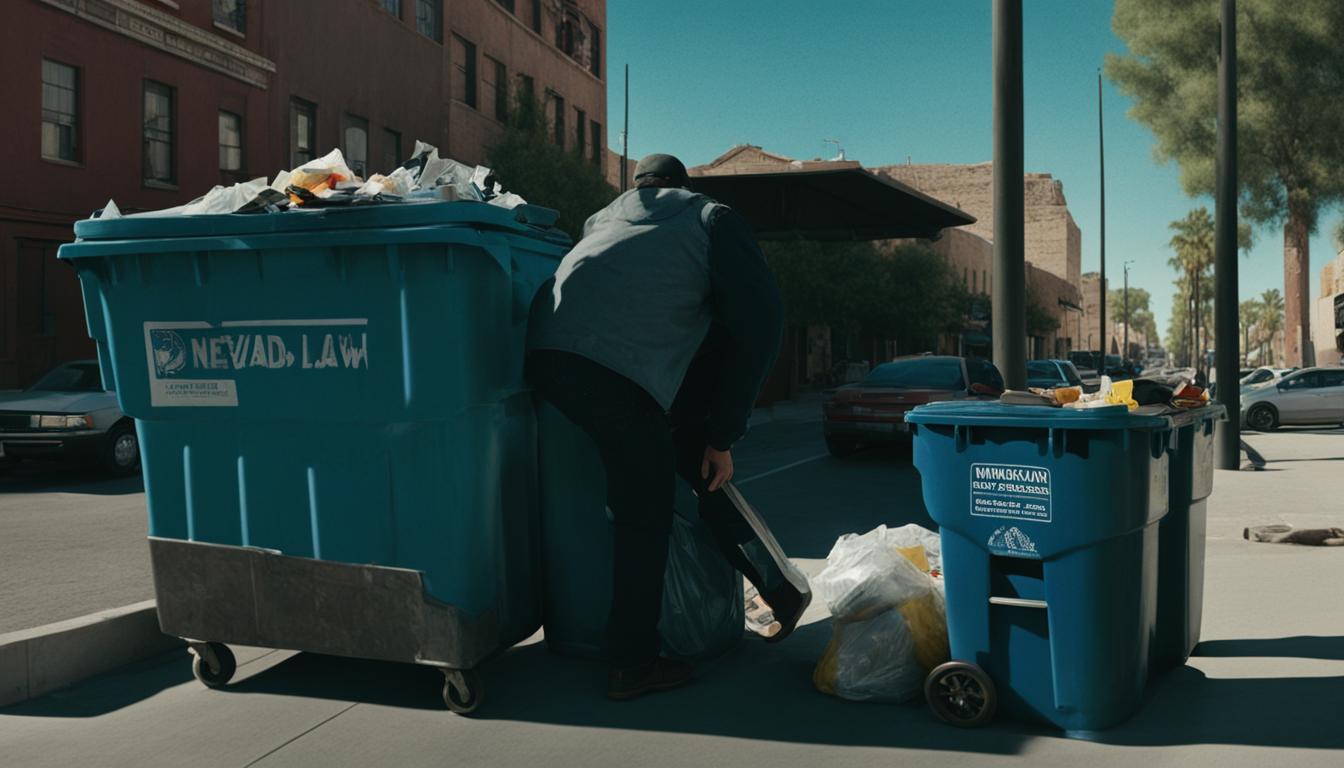
Is It Illegal For Someone To Go Through Your Trash In Nevada is a question many residents ask when they discover someone has been rummaging through their garbage bins. Nevada follows federal precedent established by the Supreme Court, which generally allows trash searching once garbage is placed in public areas for collection.
However, the situation becomes more complex when you consider local ordinances, private property rights, and specific circumstances. Understanding Nevada’s approach to trash searching can help you know your rights and protect your privacy.
TL;DR
- Nevada follows the California v. Greenwood precedent – trash in public areas loses Fourth Amendment protection.
- Local ordinances in cities like Las Vegas and Reno may impose additional restrictions on scavenging.
- Trash on private property or in enclosed areas maintains stronger privacy protections.
- Trespassing laws still apply even when trash searching itself is legal.
Is It Illegal For Someone To Go Through Your Trash In Nevada
Nevada generally permits trash searching based on the 1988 Supreme Court decision California v. Greenwood. This ruling established that once you place garbage at the curb for collection, you lose reasonable expectation of privacy in that trash.
The state doesn’t have specific statutes prohibiting trash picking or scavenging. However, several factors can make the activity illegal depending on the circumstances and location.
When Trash Searching Becomes Illegal in Nevada
Even though Nevada allows trash searching in many situations, certain circumstances can make it illegal. These exceptions focus on trespassing, local regulations, and privacy violations.
Trespassing Violations
Nevada Revised Statute 207.200 makes trespassing a misdemeanor offense. If someone enters your private property to access trash bins, they’re committing trespassing regardless of trash searching laws.
- Enclosed property – Fenced yards, gated areas, or marked private property provide clear trespassing boundaries.
- Apartment complexes – Dumpsters in private apartment parking areas often require trespassing to access.
- Business premises – Commercial dumpsters on private business property are typically off-limits without permission.
Local Municipal Ordinances
Many Nevada cities have enacted their own restrictions on scavenging and trash collection. These local laws can be more restrictive than state regulations.
- Las Vegas – Municipal Code 6.04.340 prohibits scavenging from city garbage containers and requires permits for commercial waste hauling.
- Reno – City ordinances restrict unauthorized removal of recyclables and solid waste from collection areas.
- Henderson – Local codes prohibit disturbing or removing materials from city waste containers.
Legal Trash Searching Scenarios
Understanding when trash searching remains legal helps clarify your rights and expectations. These situations generally provide no privacy protection under Nevada law.
Curbside Collection Areas
Trash placed on public streets or sidewalks for scheduled pickup loses privacy protection. The Supreme Court ruling applies directly to these situations.
However, you should still check local ordinances since some cities restrict even curbside scavenging. California has similar federal precedent but with varying local enforcement approaches.
Public Dumpsters
Dumpsters located on public property or in clearly public areas typically allow legal access. This includes dumpsters in public parks, street-side commercial containers, and municipal waste areas.
Protect Your Privacy
Shred sensitive documents and keep trash bins on your property until collection day. This simple step eliminates most privacy risks from legal trash searching.
Property Rights and Privacy Expectations
Nevada property law provides stronger protections for trash that remains on private property. These protections stem from trespassing statutes rather than specific trash laws.
Private Property Protections
Trash bins kept on private property maintain Fourth Amendment protections until moved to public collection areas. This includes driveways, side yards, and enclosed property areas.
Courts generally rule that crossing onto private property to access trash constitutes trespassing, making the search illegal regardless of trash laws. Texas follows similar property-based protections for privately-located trash containers.
Apartment and Condo Considerations
Multi-unit housing creates complex situations for trash searching legality. Shared dumpster areas on private property typically require permission from property management or owners.
- Gated communities – Private roads and controlled access make trash searching likely illegal without permission.
- Apartment dumpsters – Containers on private apartment property usually require trespassing to access.
- HOA restrictions – Homeowner associations may have additional rules about trash access and scavenging.
Law Enforcement and Trash Searches
Police in Nevada can legally search curbside trash without warrants under the Greenwood precedent. This creates different rules for law enforcement compared to private individuals.
Police Search Powers
Nevada law enforcement can search abandoned trash without probable cause or warrants. Courts consistently uphold these searches when trash has been placed for collection in public areas.
However, police still need warrants or probable cause to enter private property for trash searches. The same trespassing laws that apply to civilians also restrict police access to privately-located containers.
Evidence and Criminal Cases
Nevada courts regularly admit evidence obtained from legal trash searches in criminal prosecutions. This includes drug paraphernalia, financial records, and other incriminating materials found in garbage.
Defense attorneys sometimes challenge these searches based on timing, location, or collection circumstances. Success depends on proving the trash maintained privacy expectations when searched.
Commercial and Business Trash
Businesses face unique considerations for trash disposal and searching in Nevada. Commercial waste often contains sensitive information requiring special handling.
Business Document Security
Nevada businesses should assume their curbside trash can be legally searched by competitors, identity thieves, or law enforcement. This reality makes document destruction policies essential for sensitive information.
Many businesses use locked dumpsters, private waste services, or on-site document shredding to maintain information security. Florida businesses face similar challenges with balancing disposal costs and privacy protection.
Dumpster Diving for Profit
Some individuals search business trash for valuable discarded items or recyclables. While often legal under state law, local ordinances frequently restrict or prohibit this activity.
- Retail locations – Chain stores often have corporate policies prohibiting trash access even when locally legal.
- Construction sites – Building materials in dumpsters may be legally accessible but safety concerns create liability issues.
- Food service – Health department regulations may restrict access to restaurant waste containers.
Protecting Yourself from Trash Searches
Nevada residents can take several steps to protect their privacy even when trash searching is legal. These strategies focus on limiting sensitive information exposure and controlling access timing.
Document Management
Shredding sensitive documents before disposal eliminates most privacy risks from legal trash searches. Focus on financial records, medical information, and personal identification documents.
Consider investing in a crosscut shredder for maximum security, especially for highly sensitive materials like tax returns or medical records.
Timing and Location Strategies
Keep trash bins on private property until collection day morning to minimize exposure time. Many successful trash searches happen the night before pickup when bins sit unattended for hours.
Some residents use locked trash containers or store bins in garages until collection time. These strategies provide maximum protection under current Nevada law.
Articles You May Like
Frequently Asked Questions
Can my neighbor legally go through my trash in Nevada?
Yes, if your trash is placed on public property for collection. However, they cannot trespass on your private property to access bins kept on your land.
Do Las Vegas and Reno have different trash searching laws?
Both cities have local ordinances that may be more restrictive than state law. Las Vegas specifically prohibits scavenging from city containers, while Reno restricts unauthorized waste removal.
Can police search my trash without a warrant in Nevada?
Yes, police can search trash placed in public areas for collection without warrants or probable cause, following the Supreme Court’s California v. Greenwood decision.
Is dumpster diving legal at Nevada businesses?
It depends on the location and local ordinances. Dumpsters on private business property require permission, while those in public areas may be accessible unless local laws prohibit it.
How can I protect my privacy from legal trash searches?
Shred sensitive documents, keep bins on private property until collection day, and consider locked containers for maximum protection under Nevada law.
Final Thoughts
Is It Illegal For Someone To Go Through Your Trash In Nevada depends heavily on location, timing, and local regulations. While state law generally allows trash searching in public areas, trespassing laws and municipal ordinances provide important protections.
Your best defense is understanding these rules and taking proactive steps to protect sensitive information before disposal. Arizona residents face similar considerations when protecting their privacy from legal trash searches.